

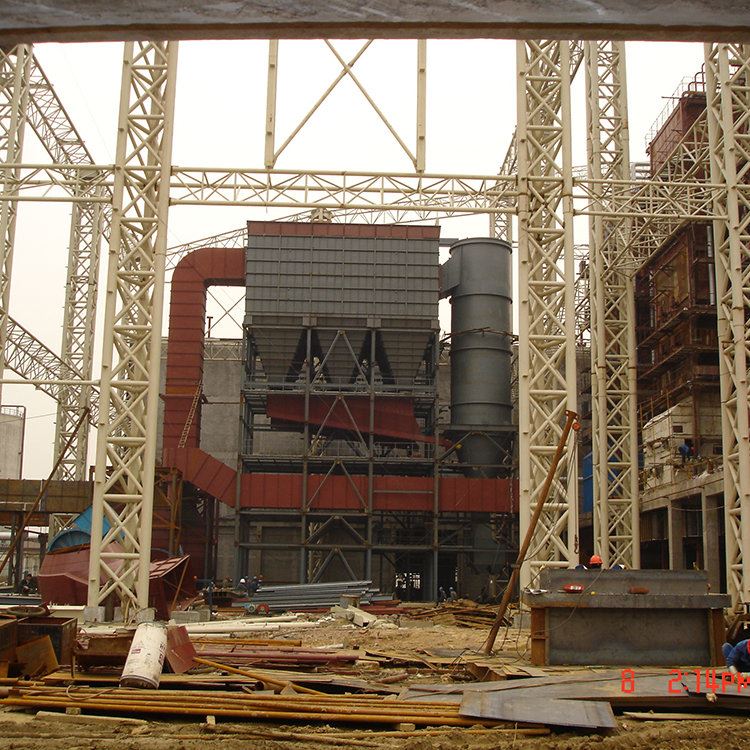
In the waste incineration industry, the dust cleaning system plays a crucial role in ensuring environmental compliance and the efficient operation of incineration facilities. As a leading supplier of [Dust Cleaning System For Waste Incineration Industry], I've witnessed firsthand the transformative impact that well - designed dust cleaning systems can have. Among the various components of these systems, filters stand out as the unsung heroes, performing functions that are essential for the overall success of waste incineration processes.
The Fundamentals of Filters in Waste Incineration Dust Cleaning
Filters are the primary barriers that separate harmful particulate matter from the exhaust gases produced during waste incineration. When waste is burned, it releases a complex mixture of substances into the air, including heavy metals, dioxins, furans, and fine dust particles. These pollutants can have severe environmental and health impacts if released into the atmosphere without proper treatment. Filters are designed to capture these pollutants and prevent them from escaping.
One of the key functions of filters in a dust cleaning system is to remove solid particles. The size of these particles can vary widely, from large ash fragments to microscopic dust. Filters are engineered to target different particle sizes, using a combination of physical and chemical mechanisms. For example, mechanical filters rely on the principle of sieving, where particles larger than the pore size of the filter are trapped. On the other hand, electrostatic filters use an electric field to attract and capture charged particles.
Types of Filters Used in Waste Incineration Dust Cleaning
There are several types of filters commonly used in waste incineration dust cleaning systems, each with its own advantages and limitations.
Bag Filters
Bag filters are one of the most widely used types of filters in the waste incineration industry. They consist of fabric bags that are suspended in a housing. As the exhaust gas passes through the bags, the particles are trapped on the surface of the fabric. Bag filters are known for their high efficiency in capturing fine particles, with a collection efficiency of up to 99.9%. They are also relatively easy to install and maintain. However, bag filters can be sensitive to high temperatures and corrosive gases, which can reduce their lifespan.
Cartridge Filters
Cartridge filters are similar to bag filters but are made of pleated filter media. The pleated design increases the surface area of the filter, allowing for a higher flow rate and better particle capture. Cartridge filters are more compact than bag filters, making them suitable for applications where space is limited. They are also more resistant to high temperatures and can handle a wider range of particle sizes. However, cartridge filters can be more expensive to replace than bag filters.
Ceramic Filters
Ceramic filters are made of porous ceramic materials and are designed to withstand high temperatures and corrosive environments. They are particularly suitable for waste incineration applications where the exhaust gas contains high levels of acidic gases. Ceramic filters can operate at temperatures up to 1000°C, which is much higher than the operating temperature of bag and cartridge filters. They also have a long service life and can be easily cleaned by back - flushing. However, ceramic filters are relatively expensive and can be brittle, which requires careful handling during installation and maintenance.
The Role of Filters in Environmental Protection
In addition to protecting human health, filters in waste incineration dust cleaning systems also play a vital role in environmental protection. By removing harmful pollutants from the exhaust gas, filters help to reduce air pollution and prevent the release of greenhouse gases. For example, the capture of particulate matter can improve air quality, reducing the risk of respiratory diseases and other health problems. Filters can also capture heavy metals such as mercury, lead, and cadmium, which can contaminate soil and water if released into the environment.
Moreover, filters contribute to the reduction of greenhouse gas emissions. Some waste incineration facilities are equipped with filters that can capture carbon dioxide and other greenhouse gases. By reducing the amount of greenhouse gases released into the atmosphere, these filters help to mitigate the impact of climate change.
The Impact of Filters on System Performance
Filters have a significant impact on the performance of a dust cleaning system in waste incineration. A well - designed filter can improve the efficiency of the system by reducing the pressure drop across the filter. A lower pressure drop means that the fan or blower in the system has to work less hard to move the exhaust gas through the filter, which can save energy and reduce operating costs.
On the other hand, a clogged or damaged filter can have a negative impact on system performance. A clogged filter can increase the pressure drop, leading to reduced airflow and increased energy consumption. It can also cause the system to malfunction, resulting in the release of pollutants into the atmosphere. Therefore, regular maintenance and replacement of filters are essential to ensure the optimal performance of the dust cleaning system.
The Future of Filters in Waste Incineration Dust Cleaning
As environmental regulations become more stringent, the demand for more efficient and reliable filters in waste incineration dust cleaning systems is expected to increase. Future filters are likely to be designed with advanced materials and technologies to improve their performance and durability. For example, nanotechnology may be used to develop filters with smaller pore sizes and higher surface areas, which can capture even smaller particles.
In addition, there is a growing trend towards the development of integrated dust cleaning systems that combine different types of filters to achieve higher levels of pollution control. These integrated systems can provide a more comprehensive solution for waste incineration facilities, ensuring that all types of pollutants are effectively removed from the exhaust gas.

Conclusion
In conclusion, filters are an essential component of dust cleaning systems in the waste incineration industry. They play a crucial role in protecting human health, environmental protection, and system performance. As a supplier of [Dust Cleaning System For Waste Incineration Industry], we understand the importance of providing high - quality filters that meet the specific needs of our customers. Our products, such as the Dust Cleaning System for Exhausted Gas Produced By Waste Incineration, Dust Cleaning System for Exhausted Gas Produced By Biomass, and Dust Cleaning System for Exhausted Gas Produced By Hazardous Waste, are designed to provide efficient and reliable dust cleaning solutions.
If you are in the waste incineration industry and are looking for a high - quality dust cleaning system with top - notch filters, we invite you to contact us for procurement and negotiation. We are committed to providing you with the best products and services to meet your needs.
References
- "Air Pollution Control: A Design Approach" by Daniel G. Cooper and F. C. Alley
- "Waste Incineration: Technology and Emission Control" by J. L. Culp and R. L. Culp
- "Filter Technology Handbook" by Heinz F. Luecke