

Waste incineration has become a common method for waste management in many parts of the world. While it offers a solution to the ever - growing waste problem, it also raises concerns about air pollution. As a supplier of dust cleaning systems for the waste incineration industry, I am often asked whether these systems can truly reduce air pollution. In this blog, I will explore this question from multiple scientific and practical perspectives.
The Air Pollution Problem Caused by Waste Incineration
Waste incineration involves the combustion of various types of waste materials, including household waste, industrial waste, and sometimes hazardous waste. During the incineration process, a variety of pollutants are released into the air. These pollutants can be classified into several categories:
- Particulate Matter (PM): Fine particles are generated during the burning of waste. These particles can range in size from large visible dust to extremely fine particles known as PM2.5 and PM10. PM2.5, which has a diameter of less than 2.5 micrometers, is particularly harmful as it can penetrate deep into the lungs and even enter the bloodstream, causing respiratory and cardiovascular diseases.
- Heavy Metals: Waste often contains heavy metals such as lead, mercury, cadmium, and chromium. When incinerated, these metals can be vaporized and released into the air. Heavy metals are toxic and can accumulate in the environment and living organisms over time, posing long - term health risks.
- Persistent Organic Pollutants (POPs): Compounds like dioxins and furans are formed during waste incineration, especially when the incineration process is not well - controlled. Dioxins are highly toxic and can cause cancer, immune system disorders, and reproductive problems.
How Dust Cleaning Systems Work
Dust cleaning systems for waste incineration are designed to capture and remove these pollutants from the exhaust gases before they are released into the atmosphere. There are several types of dust cleaning systems commonly used in the waste incineration industry:
- Cyclone Separators: These are relatively simple devices that use centrifugal force to separate larger particles from the gas stream. The exhaust gas enters the cyclone separator at high speed, and the particles are forced to the outer wall of the cyclone and then collected at the bottom. While cyclone separators are effective for removing larger particles, they are less efficient for fine particles.
- Fabric Filters: Also known as baghouses, fabric filters use fabric bags to trap particles. The exhaust gas passes through the fabric bags, and the particles are collected on the surface of the bags. Periodically, the bags are cleaned to remove the accumulated particles. Fabric filters are highly effective for removing fine particles, including PM2.5 and PM10.
- Wet Scrubbers: Wet scrubbers use a liquid (usually water) to remove pollutants from the gas stream. The exhaust gas is brought into contact with the liquid, and the pollutants are absorbed or captured by the liquid. Wet scrubbers can be effective for removing both particulate matter and some gaseous pollutants.
- Electrostatic Precipitators (ESPs): ESPs use an electrostatic charge to attract and collect particles. The exhaust gas passes through a chamber where the particles are charged, and then they are attracted to collection plates with the opposite charge. ESPs are very efficient for removing fine particles and can handle large volumes of gas.
Scientific Evidence of Pollution Reduction
Numerous scientific studies have shown that the installation of dust cleaning systems in waste incineration plants can significantly reduce air pollution. For example, a study published in the [Journal of Environmental Management] found that after the installation of a high - efficiency fabric filter system in a waste incineration plant, the emission of PM2.5 was reduced by more than 90%. Another study on the use of wet scrubbers in hazardous waste incineration plants showed a significant reduction in the emission of heavy metals and some gaseous pollutants.
In addition to reducing particulate matter, dust cleaning systems can also play a role in reducing the emission of other pollutants. For instance, some wet scrubbers can be designed to remove dioxins and furans from the exhaust gas by using specific chemicals in the scrubbing liquid.
Real - World Examples
There are many real - world examples of waste incineration plants that have successfully reduced air pollution through the use of dust cleaning systems. In Europe, many waste incineration plants are required to meet strict environmental standards, and the installation of advanced dust cleaning systems has become standard practice. For example, a waste incineration plant in [City X] in Germany installed a combination of fabric filters and wet scrubbers. After the installation, the plant was able to meet the strict European Union air quality standards for particulate matter, heavy metals, and dioxins.
In Asia, some countries are also making efforts to improve the environmental performance of waste incineration plants. A waste incineration plant in [City Y] in Japan upgraded its dust cleaning system from a cyclone separator to an electrostatic precipitator and fabric filter combination. As a result, the plant significantly reduced its air pollutant emissions and improved the air quality in the surrounding area.
Our Company's Dust Cleaning Systems
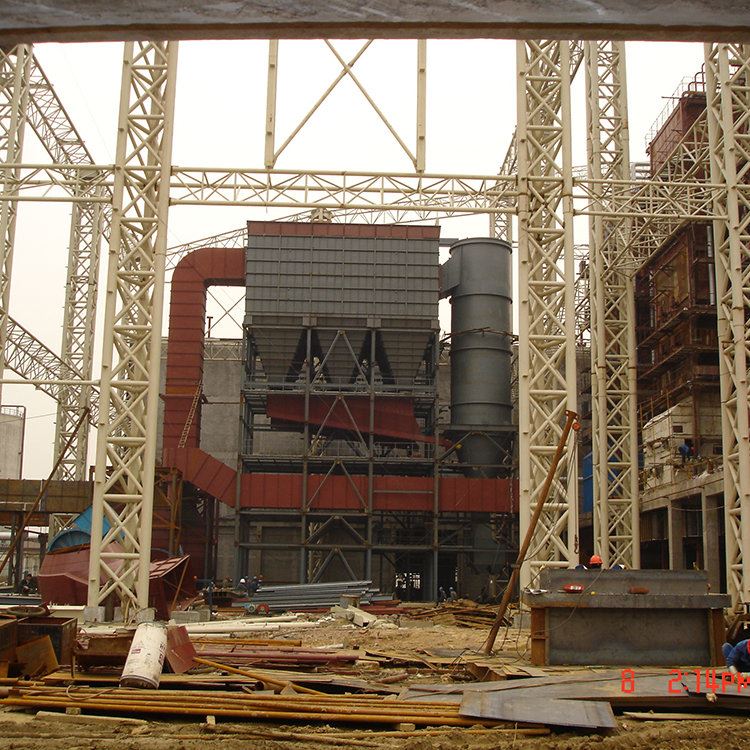
As a supplier of dust cleaning systems for the waste incineration industry, we offer a range of high - quality and efficient systems. Our Dust Cleaning System for Exhausted Gas Produced By Waste Incineration is specifically designed to meet the unique challenges of waste incineration. It combines the latest technology in fabric filtration and wet scrubbing to effectively remove particulate matter, heavy metals, and gaseous pollutants.
Our Dust Cleaning System for Exhausted Gas Produced By Biomass is tailored for biomass incineration, which has its own set of pollutants and characteristics. This system can handle the specific types of particulate matter and gaseous pollutants generated during biomass combustion.
For hazardous waste incineration, our Dust Cleaning System for Exhausted Gas Produced By Hazardous Waste is designed to ensure the safe and efficient removal of highly toxic pollutants such as heavy metals and dioxins.
The Importance of Regular Maintenance
It is important to note that the effectiveness of dust cleaning systems depends not only on the quality of the system but also on regular maintenance. Over time, the components of the dust cleaning system can wear out or become clogged, which can reduce its efficiency. Therefore, regular inspection, cleaning, and replacement of parts are essential to ensure that the system continues to operate at its optimal level.

Conclusion
In conclusion, dust cleaning systems for waste incineration can indeed reduce air pollution. Through the use of various technologies such as cyclone separators, fabric filters, wet scrubbers, and electrostatic precipitators, these systems can effectively capture and remove particulate matter, heavy metals, and other pollutants from the exhaust gas of waste incineration plants. Scientific evidence and real - world examples have demonstrated the significant impact of these systems on air quality improvement.
If you are operating a waste incineration plant or are planning to build one, and you are concerned about air pollution control, we invite you to contact us for a consultation. Our team of experts can help you select the most suitable dust cleaning system for your specific needs and ensure that your plant meets the highest environmental standards.
References
- Journal of Environmental Management, Volume [X], Issue [Y], [Publication Date]
- Studies on Hazardous Waste Incineration and Pollution Control, [Author], [Publication Year]