

Waste incineration is a common method for waste disposal, which can significantly reduce the volume of waste and generate energy. However, the exhausted gas produced by waste incineration contains various pollutants, such as dust, heavy metals, and harmful gases. These pollutants can cause serious environmental and health problems if not properly treated. As a professional supplier of Dust Cleaning System for Exhausted Gas Produced By Waste Incineration, I will introduce the principle of the dust cleaning system for exhausted gas produced by waste incineration in this blog.
Composition of Exhausted Gas from Waste Incineration
Before delving into the dust - cleaning principle, it's essential to understand the composition of the exhausted gas from waste incineration. The main components of the exhaust gas include particulate matter (dust), acidic gases (such as HCl, SO₂), nitrogen oxides (NOₓ), heavy metals (like mercury, lead, cadmium), and dioxins. These pollutants are generated during the combustion process of different waste materials, including household waste, industrial waste, and hazardous waste.
Basic Principles of Dust Cleaning
The dust cleaning system for waste - incinerated exhaust gas mainly operates based on several fundamental principles, including mechanical separation, electrostatic precipitation, and filtration.
Mechanical Separation
Mechanical separation methods are often the first step in the dust - cleaning process. These methods rely on the physical properties of dust particles, such as size, density, and inertia, to separate them from the gas stream.

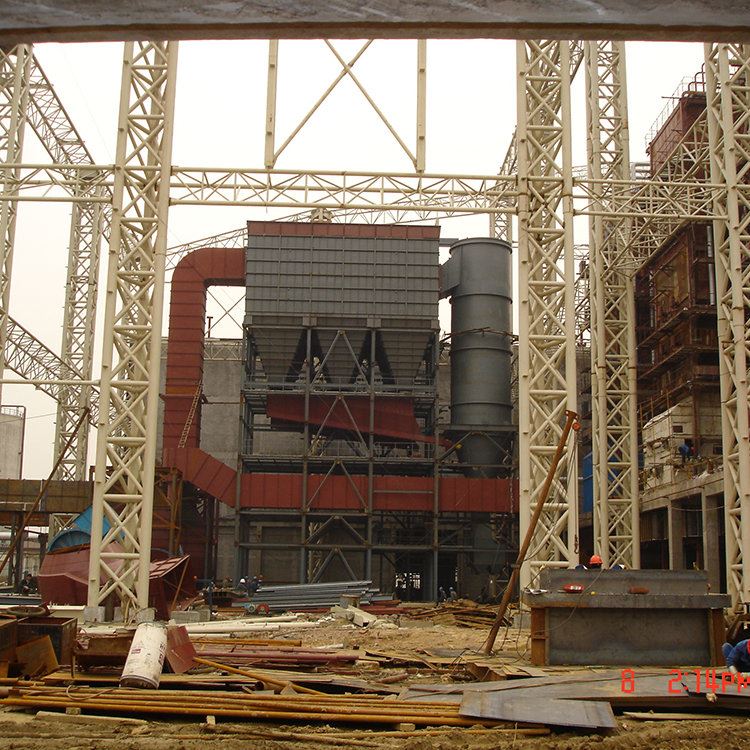
Gravity Settling
Gravity settling chambers are simple devices that allow the exhaust gas to flow through a large chamber at a low velocity. Due to gravity, larger and heavier dust particles settle to the bottom of the chamber. Although this method is relatively inexpensive and easy to operate, it is only effective for removing large - sized particles (usually > 50 μm).
Cyclone Separators
Cyclone separators use centrifugal force to separate dust particles from the gas. The exhaust gas enters the cyclone tangentially, creating a swirling motion. The centrifugal force throws the dust particles towards the wall of the cyclone, where they slide down and are collected at the bottom. Cyclone separators are more efficient than gravity settling chambers and can remove particles as small as 5 - 10 μm. They are widely used in industrial applications because of their relatively low cost, simple structure, and high - temperature resistance.
Electrostatic Precipitation
Electrostatic precipitation is a highly efficient dust - cleaning method that uses electrostatic forces to remove dust particles from the gas stream.
Working Principle
In an electrostatic precipitator (ESP), the exhaust gas passes through a series of electrodes. One set of electrodes is charged with a high - voltage direct current, creating a strong electrostatic field. As the dust particles pass through the field, they become charged. The charged particles are then attracted to the oppositely charged collecting electrodes and adhere to them. Periodically, the collecting electrodes are rapped to dislodge the accumulated dust, which falls into a hopper for collection.
Advantages and Limitations
ESP can achieve high dust - removal efficiencies, often exceeding 99%. It can handle large volumes of gas and is suitable for removing fine particles (down to sub - micron sizes). However, ESPs are relatively expensive to install and maintain, and they require a stable power supply. They are also sensitive to the electrical resistivity of the dust, which can affect their performance.
Filtration
Filtration is another important method for dust cleaning in waste - incineration exhaust gas treatment.
Bag Filters
Bag filters use fabric bags to trap dust particles. The exhaust gas passes through the fabric, and the dust is collected on the surface of the bags. As the dust accumulates, a dust cake forms, which further enhances the filtration efficiency. Periodically, the bags are cleaned by methods such as reverse air flow, pulse - jet cleaning, or mechanical shaking to remove the accumulated dust.
Bag filters are highly efficient in removing fine dust particles (down to 1 - 2 μm). They are relatively simple in design and can be easily adapted to different gas flow rates and dust loads. However, the fabric bags need to be replaced periodically, and they are sensitive to high temperatures and humidity.
Ceramic Filters
Ceramic filters are made of porous ceramic materials. They can operate at higher temperatures than bag filters, making them suitable for high - temperature exhaust gas treatment. The working principle of ceramic filters is similar to that of bag filters, where the dust is trapped on the surface of the ceramic elements. Ceramic filters have high filtration efficiencies and long service lives, but they are more expensive than bag filters.
Advanced Dust - Cleaning Technologies
In addition to the basic dust - cleaning methods, there are also some advanced technologies that are being developed and applied in waste - incineration exhaust gas treatment.
Hybrid Systems
Hybrid dust - cleaning systems combine different dust - cleaning technologies to achieve higher overall efficiency. For example, a combination of a cyclone separator and a bag filter can be used. The cyclone separator first removes the larger particles, reducing the dust load on the bag filter and extending its service life.
Plasma - Assisted Dust Cleaning
Plasma - assisted dust cleaning uses plasma technology to enhance the dust - removal process. Plasma can generate high - energy electrons, ions, and radicals, which can react with dust particles and acidic gases in the exhaust gas. These reactions can change the physical and chemical properties of the dust particles, making them easier to remove. Plasma - assisted dust cleaning can also help in the decomposition of dioxins and other organic pollutants in the exhaust gas.
Application in Different Waste Types
The dust - cleaning system needs to be adjusted according to the type of waste being incinerated.
Hazardous Waste Incineration
When dealing with Dust Cleaning System for Exhausted Gas Produced By Hazardous Waste, the requirements for dust cleaning are more stringent. Hazardous waste often contains high levels of heavy metals and toxic substances. In addition to the standard dust - cleaning methods, additional treatment steps may be required, such as activated carbon injection to adsorb heavy metals and dioxins.
Biomass Incineration
For Dust Cleaning System for Exhausted Gas Produced By Biomass, the exhaust gas composition is different from that of other waste types. Biomass combustion usually produces less heavy metals and dioxins but may have a higher content of alkali metals. The dust - cleaning system needs to be designed to handle these specific characteristics, such as using appropriate filtration materials to prevent the corrosion caused by alkali metals.
Importance of a Well - Designed Dust Cleaning System
A well - designed dust - cleaning system for waste - incineration exhaust gas is crucial for several reasons. Firstly, it helps to meet the strict environmental regulations regarding air quality. By removing dust and other pollutants from the exhaust gas, the system reduces the emission of harmful substances into the atmosphere, protecting the environment and public health. Secondly, it can improve the efficiency of the waste - incineration plant. A clean gas stream reduces the risk of corrosion and blockage in downstream equipment, such as heat exchangers and boilers, thus ensuring the stable operation of the plant.
Contact for Purchase and Consultation
If you are interested in our Dust Cleaning System for Exhausted Gas Produced By Waste Incineration, we are more than willing to provide you with detailed product information and solutions tailored to your specific needs. Our professional team can offer technical support and guidance throughout the purchasing and installation process. Whether you are operating a waste - incineration plant, planning a new project, or looking to upgrade your existing dust - cleaning system, feel free to contact us for a consultation. We are committed to providing high - quality products and services to help you achieve efficient and environmentally friendly waste - incineration exhaust gas treatment.
References
- American Society of Mechanical Engineers (ASME). ASME PTC 20.2 - 2013, Performance Test Code on Gas Cleaning Equipment.
- Cooper, C. D., & Alley, F. C. (2011). Air Pollution Control: A Design Approach. Waveland Press.
- United States Environmental Protection Agency (EPA). "Control Technologies for Dioxin Emissions from Municipal Waste Combustors." EPA/625/R - 99/014.