

As a supplier of dust cleaning systems for the waste incineration industry, I have witnessed firsthand the increasing demand for efficient and reliable solutions to manage the exhaust gases produced during waste incineration. Dry dust cleaning systems have emerged as a popular choice due to their ability to remove particulate matter from the exhaust gases without the use of water. However, like any technology, dry dust cleaning systems come with their own set of potential problems that need to be carefully considered.
1. Incomplete Particulate Removal
One of the primary functions of a dry dust cleaning system is to remove particulate matter from the exhaust gases. However, these systems may not be able to capture all the particles effectively. Fine particles, especially those in the sub - micron range, can be particularly challenging to remove. These fine particles can contain heavy metals, dioxins, and other hazardous substances. If not properly removed, they can be released into the atmosphere, posing a significant threat to human health and the environment.
For example, in some waste incineration plants using dry dust cleaning systems, the presence of ultrafine particles in the stack emissions has been detected. These particles can penetrate deep into the lungs and cause respiratory problems, cardiovascular diseases, and even cancer. The efficiency of particulate removal depends on various factors such as the design of the dust cleaning system, the type of filter media used, and the operating conditions of the incinerator.
2. Filter Clogging
Dry dust cleaning systems typically use filters to trap particulate matter. Over time, these filters can become clogged with the collected dust. Filter clogging can lead to a decrease in the system's performance, as it restricts the flow of exhaust gases through the system. This, in turn, can cause an increase in the pressure drop across the filter, which requires more energy to maintain the desired flow rate.

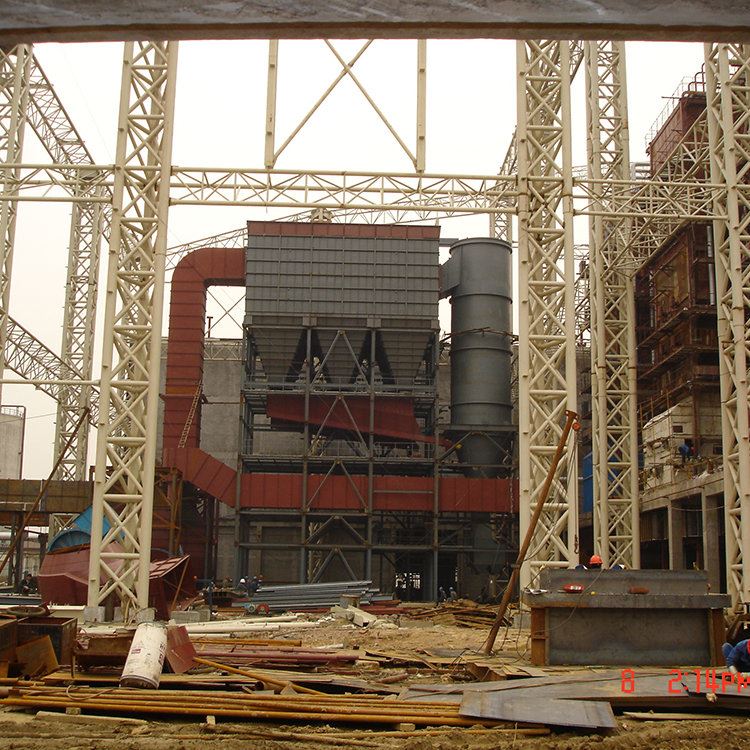
In severe cases, filter clogging can even lead to system failure. When the pressure drop becomes too high, the system may not be able to operate properly, and the incinerator may need to be shut down for maintenance. Regular filter cleaning or replacement is necessary to prevent clogging, but this can be a costly and time - consuming process. Moreover, improper handling of the clogged filters can also pose a risk of releasing the trapped dust back into the environment.
3. High Energy Consumption
As mentioned earlier, filter clogging can increase the pressure drop across the system, which requires more energy to maintain the flow of exhaust gases. In addition, dry dust cleaning systems often use fans or blowers to move the exhaust gases through the system. These fans consume a significant amount of electricity, especially in large - scale waste incineration plants.
The high energy consumption not only increases the operating costs of the waste incineration plant but also has a negative impact on the overall energy efficiency of the facility. In today's world, where energy conservation is a top priority, the high energy requirements of dry dust cleaning systems can be a major drawback.
4. Limited Ability to Remove Gaseous Pollutants
While dry dust cleaning systems are effective at removing particulate matter, they have limited ability to remove gaseous pollutants such as sulfur dioxide (SO₂), nitrogen oxides (NOₓ), and volatile organic compounds (VOCs). These gaseous pollutants are also produced during waste incineration and can have harmful effects on the environment and human health.
For instance, sulfur dioxide can contribute to acid rain, which can damage forests, lakes, and buildings. Nitrogen oxides can cause smog and respiratory problems. To address the issue of gaseous pollutants, additional treatment processes are often required, which can add to the complexity and cost of the waste incineration plant.
5. Maintenance and Operational Challenges
Dry dust cleaning systems require regular maintenance to ensure their proper functioning. This includes filter replacement, inspection of the system components, and calibration of the sensors. Maintenance activities can be disruptive to the operation of the waste incineration plant and may require skilled technicians.
In addition, the operation of dry dust cleaning systems is sensitive to changes in the operating conditions of the incinerator. For example, variations in the waste composition, incineration temperature, and gas flow rate can affect the performance of the dust cleaning system. Operators need to closely monitor these parameters and make adjustments to the system accordingly, which requires a high level of expertise.
6. Disposal of Collected Dust
The dust collected by dry dust cleaning systems contains a variety of substances, including heavy metals and other hazardous materials. Proper disposal of this dust is crucial to prevent environmental contamination. However, finding suitable disposal methods can be challenging.
Landfilling is a common disposal method, but the collected dust may need to be treated before landfilling to reduce its toxicity. Some waste incineration plants may choose to recycle the collected dust, but this also requires additional processing steps and may not be economically viable in all cases.
Solutions and Our Offerings
Despite these potential problems, dry dust cleaning systems can still be a valuable tool in waste incineration if properly designed and maintained. At our company, we offer a range of advanced dust cleaning systems that are designed to address these issues.
Our Dust Cleaning System for Exhausted Gas Produced By Waste Incineration is equipped with high - efficiency filter media that can effectively capture fine particles. We also use advanced monitoring and control systems to optimize the performance of the system and prevent filter clogging.
For the removal of gaseous pollutants, our Dust Cleaning System for Exhausted Gas Produced By Hazardous Waste can be integrated with additional gas treatment units to provide a comprehensive solution for waste incineration plants.
In addition, our Dust Cleaning System for Exhausted Gas Produced By Biomass is designed to be energy - efficient, reducing the overall energy consumption of the waste incineration process.
If you are facing challenges with your waste incineration dust cleaning system or are looking for a new solution, we invite you to contact us for a detailed discussion. Our team of experts can provide you with customized solutions based on your specific needs and requirements.
References
- [1] "Air Pollution Control in Waste Incineration Plants", Environmental Protection Agency
- [2] "Advances in Dust Cleaning Technologies for Industrial Emissions", Journal of Environmental Science and Technology
- [3] "The Impact of Waste Incineration on Air Quality", International Journal of Environmental Health Research