

Hey there! As a supplier of dust cleaning systems for the metallurgy industry, I've been getting a lot of questions lately about the efficiency of cyclone dust cleaning systems in this field. So, I thought I'd take some time to break it down for you all.
How Cyclone Dust Cleaning Systems Work
First off, let's talk about how these systems actually work. A cyclone dust cleaning system is a pretty simple yet effective piece of equipment. It uses centrifugal force to separate dust particles from the air. The dirty air enters the cyclone at a high speed and starts spinning around the inside of the chamber. Due to the centrifugal force, the heavier dust particles are forced to the outer walls of the cyclone and then fall down into a collection hopper at the bottom. The clean air, on the other hand, rises up through the center of the cyclone and exits the system.
Efficiency in the Metallurgy Industry
Now, let's get into the nitty - gritty of how efficient these systems are in the metallurgy industry.
Removal of Large Particles
One of the biggest advantages of cyclone dust cleaning systems in metallurgy is their ability to remove large dust particles efficiently. In the metallurgy process, there are often big chunks of dust and debris generated, like from the crushing of raw materials. Cyclones are great at handling these large particles. They can separate particles as large as 10 - 50 microns with a high efficiency rate, sometimes up to 90% or more. This is really important because these large particles can cause a lot of damage to other equipment if they're not removed early on.
Pre - cleaning for Other Systems
Cyclone dust cleaning systems also serve as an excellent pre - cleaning step for other, more advanced dust cleaning systems. In the metallurgy industry, you might have systems like bag filters or electrostatic precipitators that are used for more fine - dust removal. By using a cyclone first, you can remove the majority of the large particles, which reduces the load on these more expensive and sensitive systems. This not only extends the lifespan of the secondary systems but also improves their overall efficiency.
Cost - effectiveness
When it comes to cost, cyclone dust cleaning systems are a winner in the metallurgy industry. They're relatively simple in design and construction, which means they're cheaper to install and maintain compared to some other dust cleaning technologies. For small and medium - sized metallurgy plants, this can be a huge advantage. You can get a good amount of dust removal at a relatively low cost, which is always a plus in business.
Limitations
However, it's not all sunshine and rainbows. Cyclone dust cleaning systems do have some limitations in the metallurgy industry. They're not as effective at removing fine dust particles. Particles smaller than 5 microns can be a real challenge for cyclones. In the metallurgy process, there are often a lot of fine dust particles generated, especially during processes like smelting. The efficiency of cyclones for these fine particles can drop significantly, sometimes down to 50% or less.
Our Dust Cleaning Systems
At our company, we offer a range of dust cleaning systems tailored to the metallurgy industry. We have specific systems for different parts of the metallurgy process.
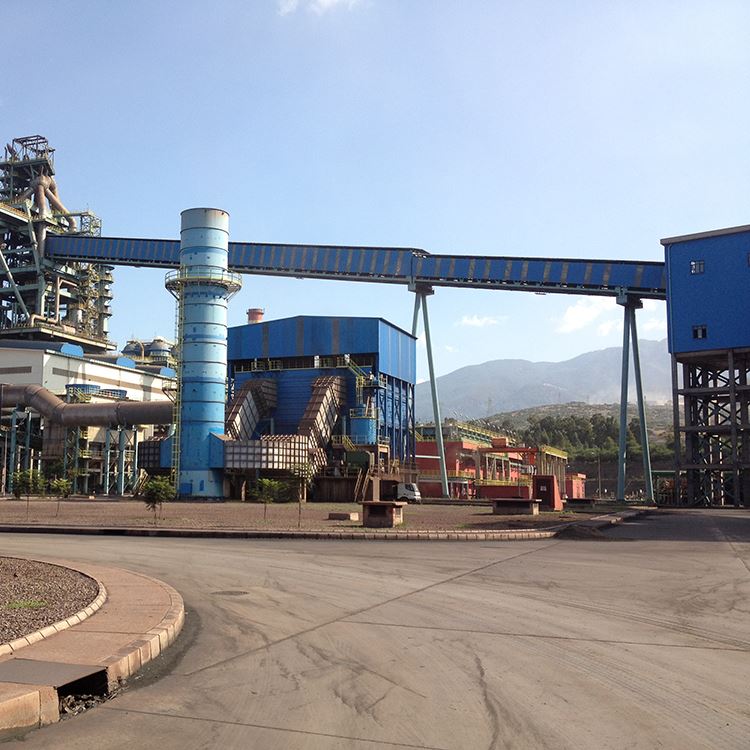
- Dust Cleaning System for Raw Materials: If you're dealing with the handling and processing of raw materials in your metallurgy plant, our Dust Cleaning System for Raw Materials can be a great solution. It's designed to handle the large amounts of dust generated during the crushing, screening, and conveying of raw materials.
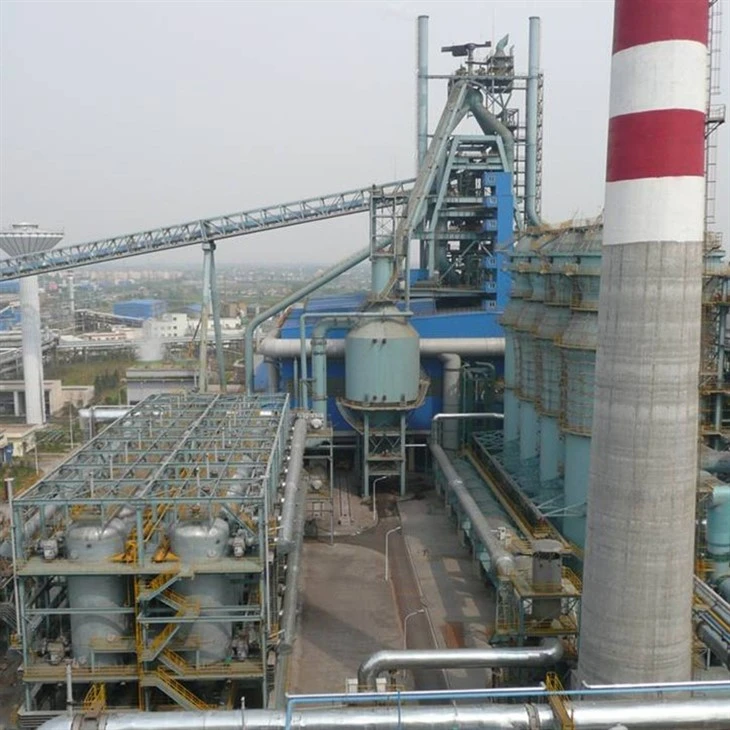
- Dust Cleaning System for Blast Furnaces: Blast furnaces are a key part of the metallurgy process, and they generate a lot of dust. Our Dust Cleaning System for Blast Furnaces is optimized to work in the high - temperature and high - dust environment around blast furnaces. It can effectively remove the dust and debris produced during the iron - making process.
- Dust Cleaning System for Converters: Converters are used for steel - making, and they also create a significant amount of dust. Our Dust Cleaning System for Converters is engineered to handle the unique dust characteristics from the converter process, ensuring a clean and safe working environment.
Improving Efficiency
If you want to improve the efficiency of your cyclone dust cleaning system in the metallurgy industry, there are a few things you can do.
Optimize the Design
Make sure the cyclone is designed correctly for your specific application. Factors like the inlet velocity, the shape and size of the cyclone chamber, and the outlet design can all affect its efficiency. You might need to consult with an expert to get the best design for your plant.
Regular Maintenance
Regular maintenance is crucial. Check the cyclone for any signs of wear and tear, like erosion of the inner walls. Also, make sure the collection hopper is emptied regularly. A full hopper can reduce the efficiency of the cyclone as it disrupts the airflow.
Combine with Other Systems
As I mentioned earlier, combining a cyclone with other dust cleaning systems can significantly improve overall efficiency. Consider using a cyclone as a pre - cleaner and then following it up with a bag filter or an electrostatic precipitator for finer dust removal.
Contact Us for Purchase and Consultation
If you're in the metallurgy industry and are looking for an efficient dust cleaning solution, we'd love to talk to you. Whether you're interested in a cyclone dust cleaning system or any of our other specialized systems for different metallurgy processes, we have the expertise and the products to meet your needs. Contact us today to start a discussion about how we can help you keep your plant clean and your operations running smoothly.
References
- Perry, R. H., & Green, D. W. (1997). Perry's Chemical Engineers' Handbook. McGraw - Hill.
- Brown, R. C. (2007). Air Pollution Control: A Design Approach. Lewis Publishers.