

As a supplier of Dust Cleaning Systems for Electric Arc Furnaces (EAFs), I understand the critical importance of adhering to high - quality standards in our industry. In this blog, I will delve into the key quality standards for a dust cleaning system for EAFs, which not only ensure the efficient operation of the system but also contribute to environmental protection and worker safety.
1. Efficiency of Dust Collection
The primary function of a dust cleaning system for EAFs is to collect dust generated during the melting process. The efficiency of dust collection is a fundamental quality standard. A high - efficiency system should be able to capture a large percentage of the dust particles produced.
Particle size distribution plays a crucial role in determining the collection efficiency. EAF dust contains particles of various sizes, ranging from large visible particles to fine particulate matter. A good dust cleaning system should be designed to handle this wide range of particle sizes. For instance, cyclone separators are effective in removing larger particles, while bag filters or electrostatic precipitators are better suited for capturing fine dust.
The collection efficiency is often measured by the percentage of dust removed from the exhaust gas. Industry standards typically require a collection efficiency of at least 99% for fine dust particles. This high level of efficiency is necessary to meet environmental regulations and prevent the release of harmful dust into the atmosphere.
2. Filtration Performance
Filtration is a key process in a dust cleaning system. The filtration performance is determined by several factors, including the filter media, filter design, and filtration velocity.
The filter media should have high porosity to allow for the passage of gas while retaining dust particles. Common filter media materials include woven fabrics, non - woven fabrics, and membranes. Each material has its own advantages and disadvantages in terms of dust holding capacity, resistance to abrasion, and chemical resistance.
The design of the filter also affects its performance. Filters should be designed to minimize pressure drop across the filter, which can reduce the energy consumption of the system. Additionally, the filter should be easy to clean or replace to ensure continuous operation.
The filtration velocity, which is the speed at which the gas passes through the filter, should be carefully controlled. A high filtration velocity can lead to premature clogging of the filter and reduced collection efficiency, while a low filtration velocity may result in a larger and more expensive filtration system.
3. Durability and Reliability
A dust cleaning system for EAFs operates in a harsh environment, exposed to high temperatures, abrasive dust, and corrosive gases. Therefore, durability and reliability are essential quality standards.
The materials used in the construction of the system should be able to withstand these harsh conditions. For example, the housing of the dust collector should be made of high - strength steel or other corrosion - resistant materials. The filter bags should be made of heat - resistant and abrasion - resistant materials.
Regular maintenance and inspection are also necessary to ensure the reliability of the system. The system should be designed with easy access to components for cleaning, repair, and replacement. Additionally, the system should be equipped with monitoring devices to detect any malfunctions or abnormal operating conditions.
4. Energy Efficiency
Energy consumption is a significant cost factor in operating a dust cleaning system. Therefore, energy efficiency is an important quality standard.
The system should be designed to minimize the power consumption of the fans, pumps, and other components. This can be achieved through the use of high - efficiency motors, variable frequency drives, and optimized ductwork design.
For example, the use of variable frequency drives allows the speed of the fans to be adjusted according to the actual operating conditions, reducing energy consumption when the system is not operating at full capacity. Optimized ductwork design can also reduce pressure drop and energy losses.
5. Environmental Compliance
Environmental compliance is a non - negotiable quality standard for a dust cleaning system for EAFs. The system must meet local, national, and international environmental regulations regarding the emission of dust and other pollutants.

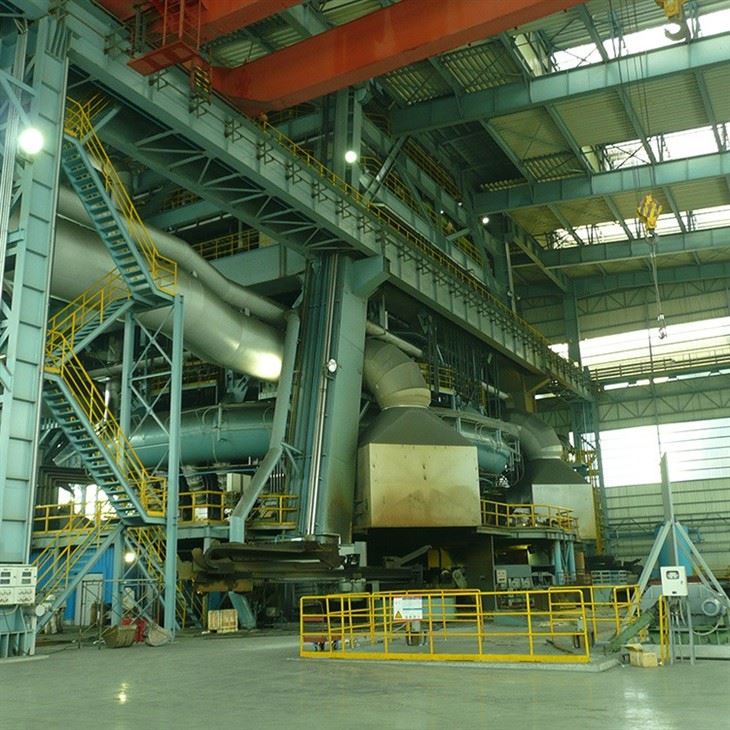
These regulations typically limit the concentration of dust in the exhaust gas and may also specify the types of pollutants that need to be controlled. For example, in some regions, the emission of heavy metals such as lead, mercury, and cadmium is strictly regulated.
A compliant dust cleaning system should be able to reduce the concentration of dust and pollutants in the exhaust gas to below the regulatory limits. This may require the use of additional treatment processes, such as scrubbers or activated carbon filters, to remove specific pollutants.
6. Safety Features
Safety is of utmost importance in a dust cleaning system for EAFs. The system should be equipped with various safety features to protect workers and prevent accidents.
For example, the system should have proper ventilation to prevent the accumulation of explosive dust. Explosion - proof design should be considered for components in areas where there is a risk of dust explosion.
The system should also be equipped with safety interlocks to shut down the system in case of abnormal operating conditions, such as high temperature, high pressure, or low airflow. Additionally, workers should be provided with appropriate personal protective equipment (PPE) when working near the dust cleaning system.
7. Compatibility with EAF Operations
A dust cleaning system for EAFs should be compatible with the specific operations of the EAF. This includes factors such as the size and capacity of the EAF, the type of materials being melted, and the operating cycle.
The system should be able to handle the variable dust load generated during different stages of the EAF operation. For example, the dust generation rate may be higher during the charging and melting stages compared to the refining stage.
The system should also be able to adapt to changes in the composition of the exhaust gas, which may vary depending on the type of materials being melted. For instance, if the EAF is melting scrap metal, the exhaust gas may contain higher levels of heavy metals and other contaminants.
Related Dust Cleaning Systems
If you are also interested in dust cleaning systems for other types of furnaces, we offer a range of products. You can learn more about Dust Cleaning System for Induction Furnaces, Dust Cleaning System for Blast Furnaces, and Dust Cleaning System for Converters.
Conclusion
In conclusion, a high - quality dust cleaning system for EAFs must meet a variety of standards in terms of efficiency, filtration performance, durability, energy efficiency, environmental compliance, safety, and compatibility with EAF operations. As a supplier, we are committed to providing dust cleaning systems that meet these standards to ensure the best performance and reliability for our customers.
If you are in the market for a dust cleaning system for your EAF, we would be happy to discuss your specific requirements and provide you with a customized solution. Contact us today to start the procurement negotiation process and take the first step towards a cleaner and more efficient operation.
References
- "Industrial Ventilation: A Manual of Recommended Practice", American Conference of Governmental Industrial Hygienists (ACGIH).
- "Air Pollution Control Engineering", David A. Vallero, Elsevier.
- Environmental regulations related to dust emissions from metallurgical industries in different countries.