

In the realm of the metallurgical industry, particularly in coke oven operations, a well - functioning dust cleaning system is of utmost importance. As a leading supplier of Dust Cleaning Systems for Coke Ovens, I've had the privilege of delving deep into the intricacies of these systems, especially their control mechanisms. In this blog, I'll take you through what the control system of a coke oven dust cleaning system is like.
The Basics of Coke Oven Dust Cleaning
Before we dive into the control system, it's essential to understand the purpose of a dust cleaning system for coke ovens. Coke ovens produce a significant amount of dust and harmful pollutants during the coking process. These pollutants include particulate matter, volatile organic compounds (VOCs), and various toxic gases. A dust cleaning system is designed to capture, filter, and dispose of these pollutants to meet environmental regulations and ensure a safe working environment.
Key Components of the Control System
Sensors
Sensors are the eyes and ears of the dust cleaning system's control system. They continuously monitor various parameters to ensure the system is operating optimally.
- Pressure Sensors: These are placed at different points in the system, such as before and after the filters. By measuring the pressure difference, the control system can determine if the filters are clogged. A significant increase in the pressure difference indicates that the filters need to be cleaned or replaced.
- Flow Sensors: They measure the volume of gas flowing through the system. This information is crucial for adjusting the fan speed and ensuring that the system can handle the required gas flow rate. If the flow rate is too low, it may indicate a blockage in the ducts or a problem with the fan.
- Temperature Sensors: Monitoring the temperature is important as high temperatures can damage the filters and other components of the system. Temperature sensors are placed in areas where the gas temperature is likely to be high, such as near the coke oven. If the temperature exceeds a certain threshold, the control system can trigger cooling mechanisms or shut down the system to prevent damage.
Controllers
Controllers are the brains of the control system. They receive data from the sensors and make decisions based on pre - programmed algorithms.
- PLC (Programmable Logic Controller): This is the most commonly used controller in dust cleaning systems. A PLC can be programmed to perform a wide range of tasks, such as starting and stopping the fans, controlling the filter cleaning process, and adjusting the flow rate. It can also communicate with other devices in the system, such as valves and motors.
- PID (Proportional - Integral - Derivative) Controllers: These controllers are used to maintain a specific setpoint, such as pressure or temperature. They calculate the error between the actual value and the setpoint and adjust the control output accordingly. For example, if the pressure in the system is lower than the setpoint, the PID controller will increase the fan speed to raise the pressure.
Actuators
Actuators are the components that carry out the commands issued by the controllers.
- Fans: Fans are the primary actuators in a dust cleaning system. They create the suction force required to draw the dust - laden gas into the system. The control system can adjust the fan speed based on the flow rate and pressure requirements. Variable Frequency Drives (VFDs) are often used to control the fan speed, which can save energy by reducing the fan speed when the demand is low.
- Valves: Valves are used to control the flow of gas and cleaning agents in the system. For example, pulse - jet valves are used to clean the filters by injecting a short burst of compressed air. The control system can open and close these valves at the appropriate times to ensure effective filter cleaning.
Control Strategies
Manual Control
In some cases, operators may choose to use manual control. This is useful during system startup, maintenance, or when there is a need for fine - tuning. Operators can directly control the fans, valves, and other components using control panels. However, manual control requires a high level of skill and experience, and it may not be suitable for continuous operation.
Automatic Control
Automatic control is the most common mode of operation for dust cleaning systems. The control system continuously monitors the sensors and adjusts the actuators based on the pre - programmed algorithms. For example, when the pressure difference across the filters reaches a certain level, the control system will automatically initiate the filter cleaning process. This ensures that the system operates efficiently without constant operator intervention.
Adaptive Control
Adaptive control is a more advanced control strategy that allows the system to adjust to changing conditions. For example, if the dust load in the gas increases due to a change in the coke oven operation, the control system can automatically increase the fan speed and adjust the filter cleaning frequency. This helps to maintain the system's performance even under varying operating conditions.
Integration with Other Systems
The dust cleaning system's control system can be integrated with other systems in the coke oven plant.
- Coke Oven Automation System: By integrating with the coke oven automation system, the dust cleaning system can receive information about the coke oven's operating status, such as the coking cycle and the temperature. This allows the control system to adjust the dust cleaning process accordingly. For example, during the charging and pushing processes, when more dust is generated, the system can increase the fan speed and the filter cleaning frequency.
- Environmental Monitoring System: Integration with the environmental monitoring system enables the dust cleaning system to respond to changes in the environmental conditions. If the concentration of pollutants in the exhaust gas exceeds the regulatory limits, the control system can take corrective actions, such as increasing the cleaning efficiency or shutting down the coke oven if necessary.
Benefits of a Well - Designed Control System
A well - designed control system for a coke oven dust cleaning system offers several benefits.
- Improved Efficiency: By continuously monitoring and adjusting the system parameters, the control system ensures that the dust cleaning system operates at its maximum efficiency. This reduces energy consumption and operating costs.
- Enhanced Reliability: The control system can detect and diagnose problems early, allowing for timely maintenance and repair. This reduces the risk of system failures and downtime.
- Compliance with Regulations: By ensuring that the dust cleaning system effectively removes pollutants from the exhaust gas, the control system helps the coke oven plant to comply with environmental regulations.
Related Dust Cleaning Systems
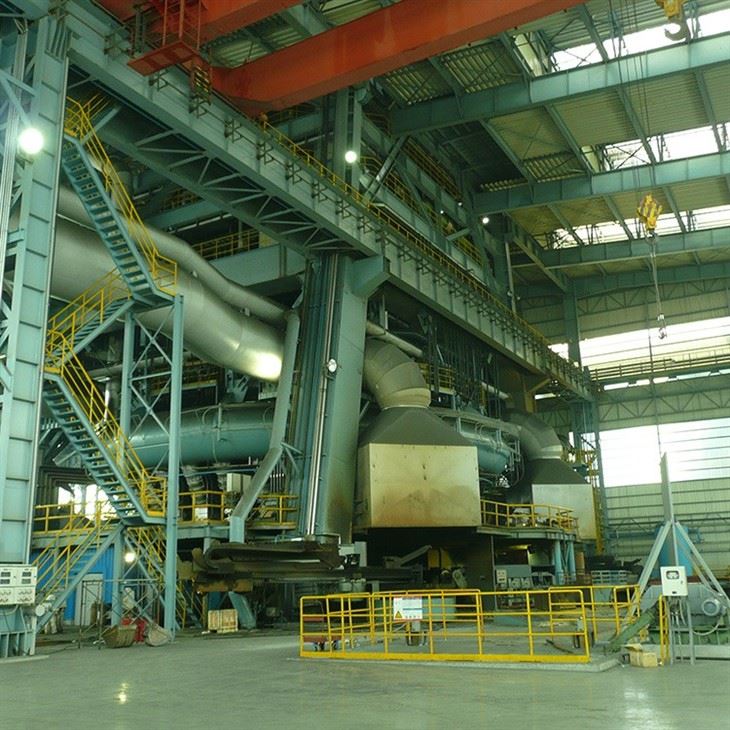
If you are also interested in dust cleaning systems for other metallurgical processes, we offer a range of related products. You can learn more about Dust Cleaning System for Sinter Plants, Dust Cleaning System for Blast Furnaces, and Dust Cleaning System for Raw Materials.

Contact for Purchase and Negotiation
If you are in the market for a high - quality dust cleaning system for your coke oven, we would be delighted to discuss your specific requirements. Our team of experts can provide you with detailed information, customized solutions, and competitive pricing. Reach out to us to start the procurement negotiation process and take a step towards a cleaner and more efficient coke oven operation.
References
- Perry, R. H., & Green, D. W. (Eds.). (1997). Perry's Chemical Engineers' Handbook. McGraw - Hill.
- Metzger, D. E. (2003). Air Pollution Control Technology. Marcel Dekker.