

Hey there! As a supplier of dust cleaning systems for the waste incineration industry, I often get asked about the training requirements for operators of these systems. So, I thought I'd share some insights on this topic.
Understanding the Basics of Dust Cleaning Systems in Waste Incineration
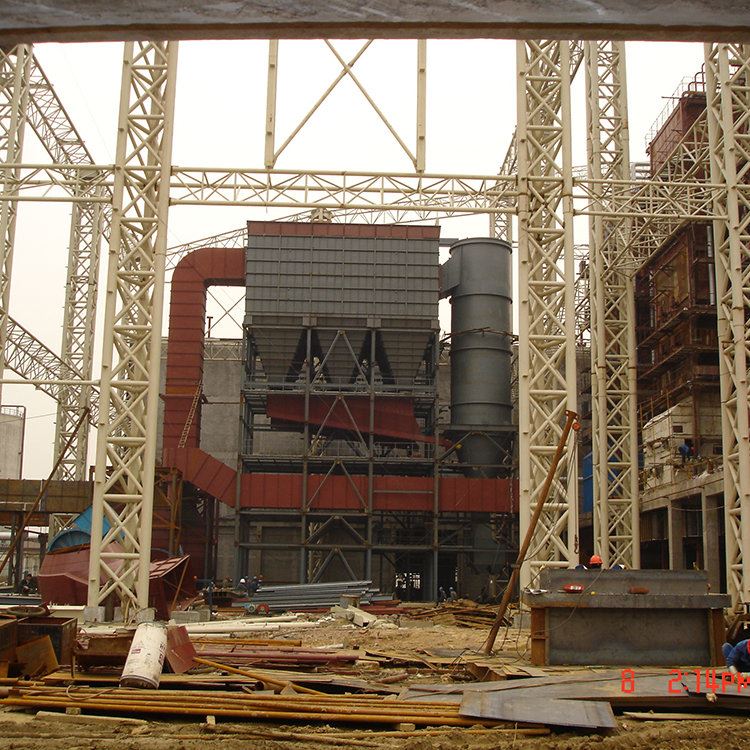
First off, let's talk a bit about what a dust cleaning system for waste incineration does. Waste incineration produces a lot of exhaust gases that contain dust, particulate matter, and various pollutants. Our Dust Cleaning System for Exhausted Gas Produced By Waste Incineration is designed to remove these harmful substances from the exhaust gases before they are released into the environment.
There are different types of dust cleaning systems, such as bag filters, electrostatic precipitators, and wet scrubbers. Each type has its own working principle and characteristics. For example, bag filters use fabric bags to trap dust particles, while electrostatic precipitators use an electric field to charge and collect the dust.

General Training Requirements
Technical Knowledge
Operators need to have a solid understanding of the technical aspects of the dust cleaning system. This includes knowing how the system works, its components, and how to operate and maintain it properly. They should be familiar with the flow of exhaust gases through the system, the function of each part, and how to troubleshoot common problems.
For instance, they need to know how to monitor the pressure drop across the bag filters. A sudden increase in pressure drop could indicate a clogged filter, and the operator should know how to take appropriate actions, such as cleaning or replacing the filter.
Safety Training
Safety is of utmost importance when operating a dust cleaning system in waste incineration. The exhaust gases produced by waste incineration can be highly toxic and flammable. Operators need to be trained on how to handle these hazards safely.
They should know how to use personal protective equipment (PPE), such as respirators, gloves, and safety glasses. They also need to be aware of the safety procedures for entering confined spaces, working with electrical equipment, and handling chemicals used in the cleaning process.
Environmental Regulations
Waste incineration is a heavily regulated industry, and operators must be familiar with the environmental regulations related to dust emissions. They need to know the emission limits set by local and national authorities and how to ensure that the dust cleaning system is operating within these limits.
Regular monitoring of the exhaust gases is required to ensure compliance. Operators should know how to use the monitoring equipment and how to interpret the results. If the emissions exceed the limits, they need to know how to adjust the system or take corrective actions.
Specific Training for Different Types of Dust Cleaning Systems
Bag Filter Systems
- Filter Installation and Replacement: Operators need to be trained on how to install and replace the filter bags correctly. This includes handling the bags carefully to avoid damage, ensuring proper sealing, and following the correct installation procedures.
- Cleaning Mechanisms: Bag filter systems have different cleaning mechanisms, such as pulse-jet cleaning or reverse-air cleaning. Operators should understand how these mechanisms work and how to adjust the cleaning parameters, such as the cleaning frequency and pressure.
Electrostatic Precipitators
- Electrical Safety: Since electrostatic precipitators use high-voltage electricity, operators need to receive comprehensive electrical safety training. They should know how to handle the electrical components safely, how to isolate the system for maintenance, and how to prevent electrical shocks.
- Electrode Maintenance: The electrodes in an electrostatic precipitator need to be maintained regularly to ensure efficient operation. Operators should be trained on how to inspect the electrodes for damage, how to clean them, and how to replace them if necessary.
Wet Scrubbers
- Chemical Handling: Wet scrubbers use chemicals to remove pollutants from the exhaust gases. Operators need to be trained on how to handle these chemicals safely, including proper storage, mixing, and disposal.
- Water Management: Wet scrubbers also require proper water management. Operators should know how to monitor the water quality, how to control the water flow rate, and how to prevent water pollution.
Training Methods
There are several ways to provide training for operators of dust cleaning systems in waste incineration.
On - the - Job Training
This is one of the most effective methods. New operators can learn from experienced colleagues while working on the actual system. They can observe how the system is operated, how to perform maintenance tasks, and how to handle emergencies.
Classroom Training
Classroom training can be used to provide theoretical knowledge about the dust cleaning system, safety regulations, and environmental requirements. It can also include hands - on training using simulators or mock - up systems.
Online Training
Online training courses are becoming increasingly popular. They offer flexibility, allowing operators to learn at their own pace. These courses can include video tutorials, interactive quizzes, and downloadable materials.
The Importance of Continuous Training
The waste incineration industry is constantly evolving, with new technologies and regulations emerging all the time. Therefore, continuous training is essential for operators to stay up - to - date with the latest developments.
Regular refresher courses can help operators reinforce their knowledge and skills, and keep them informed about any changes in the system or the regulatory requirements. This can improve the efficiency and safety of the dust cleaning system operation.
Our Support as a Supplier
As a supplier of Dust Cleaning System for Exhausted Gas Produced By Biomass and Dust Cleaning System for Exhausted Gas Produced By Hazardous Waste, we are committed to providing comprehensive training and support to our customers.
We offer initial training programs for new operators, which cover all aspects of the system operation, maintenance, and safety. We also provide ongoing technical support, including troubleshooting assistance and software updates.
If you're in the market for a dust cleaning system for your waste incineration facility, we'd love to have a chat with you. Whether you have questions about the training requirements, the system features, or anything else, don't hesitate to reach out. We're here to help you make the best decision for your business.
References
- "Waste Incineration Technology Handbook"
- "Environmental Regulations for Waste Incineration Facilities"
- Industry standards and guidelines related to dust cleaning systems in waste incineration.