

Hey there! As a supplier of the Dust Cleaning System for Exhausted Gas Produced By Biomass, I've been getting a lot of questions lately about how to reduce the noise of these systems. So, I thought I'd share some tips and tricks that I've picked up over the years.
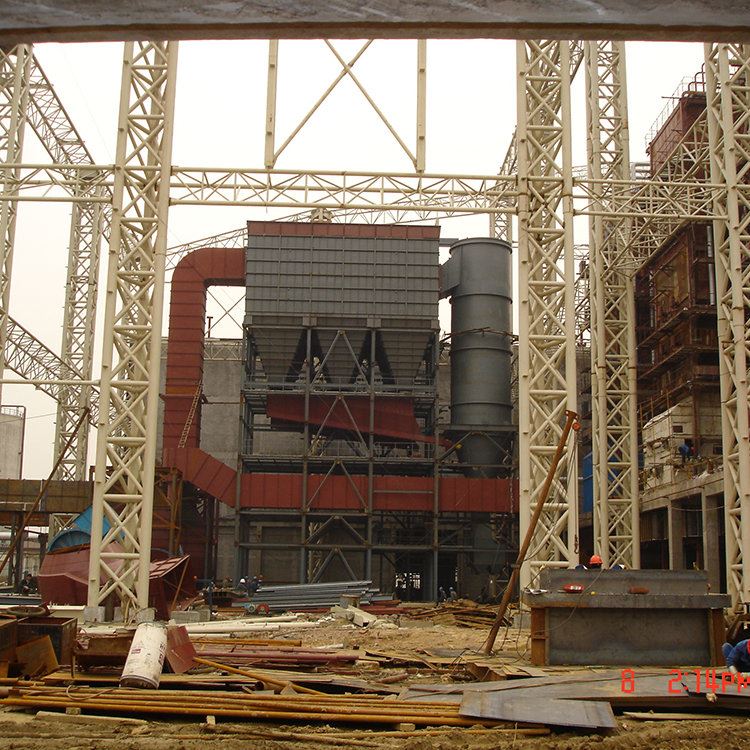

First things first, let's talk about why noise is such a big deal. When you're running a biomass exhaust gas dust cleaning system, noise can be a real nuisance. It can disrupt the work environment, cause hearing damage to your employees, and even lead to complaints from neighbors. So, reducing noise is not just about making your workplace more comfortable; it's also about ensuring the health and safety of everyone involved.
Now, let's get into the nitty-gritty of how to reduce the noise of your biomass exhaust gas dust cleaning system. The first step is to understand where the noise is coming from. There are several potential sources of noise in these systems, including the fans, motors, and ducts. By identifying the source of the noise, you can take targeted steps to reduce it.
One of the most common sources of noise in biomass exhaust gas dust cleaning systems is the fans. Fans are responsible for moving the exhaust gas through the system, and they can generate a lot of noise in the process. To reduce fan noise, you can try the following:
- Choose the right fan: When selecting a fan for your dust cleaning system, make sure to choose one that is designed to operate quietly. Look for fans with low noise ratings and high efficiency.
- Install vibration isolators: Fans can generate a lot of vibration, which can contribute to noise. By installing vibration isolators between the fan and the mounting surface, you can reduce the amount of vibration that is transmitted to the surrounding environment.
- Use sound-absorbing materials: You can also reduce fan noise by using sound-absorbing materials around the fan. This can include acoustic panels, insulation, or even just a simple layer of carpet.
Another potential source of noise in biomass exhaust gas dust cleaning systems is the motors. Motors are responsible for powering the fans and other components of the system, and they can also generate a lot of noise. To reduce motor noise, you can try the following:
- Choose the right motor: When selecting a motor for your dust cleaning system, make sure to choose one that is designed to operate quietly. Look for motors with low noise ratings and high efficiency.
- Install a motor enclosure: You can also reduce motor noise by installing a motor enclosure. This can help to contain the noise and prevent it from spreading to the surrounding environment.
- Use vibration isolators: Similar to fans, motors can generate a lot of vibration, which can contribute to noise. By installing vibration isolators between the motor and the mounting surface, you can reduce the amount of vibration that is transmitted to the surrounding environment.
In addition to fans and motors, the ducts in your biomass exhaust gas dust cleaning system can also be a source of noise. Ducts are responsible for transporting the exhaust gas from the source to the dust cleaning system, and they can generate a lot of noise in the process. To reduce duct noise, you can try the following:
- Choose the right duct size: When designing your dust cleaning system, make sure to choose the right duct size for your application. A duct that is too small can cause the exhaust gas to flow too quickly, which can generate a lot of noise.
- Use smooth ductwork: You can also reduce duct noise by using smooth ductwork. Rough or corrugated ductwork can cause the exhaust gas to flow unevenly, which can generate a lot of noise.
- Install sound-absorbing materials: Similar to fans and motors, you can also reduce duct noise by using sound-absorbing materials around the ducts. This can include acoustic panels, insulation, or even just a simple layer of carpet.
Finally, it's important to remember that reducing the noise of your biomass exhaust gas dust cleaning system is an ongoing process. You may need to make adjustments and improvements over time to ensure that the system continues to operate quietly and efficiently. By following the tips and tricks outlined in this blog post, you can take the first step towards reducing the noise of your dust cleaning system and creating a more comfortable and safe work environment.
If you're interested in learning more about our Dust Cleaning System for Exhausted Gas Produced By Biomass, or if you have any questions about reducing the noise of your dust cleaning system, please don't hesitate to contact us. We'd be happy to help you find the right solution for your needs.
We also offer other related products such as Dust Cleaning System for Exhausted Gas Produced By Hazardous Waste and Dust Cleaning System for Exhausted Gas Produced By Waste Incineration. These systems are designed to meet the specific needs of different industries and applications, and we can work with you to find the best solution for your business.
So, if you're looking for a reliable and effective dust cleaning system for your biomass exhaust gas, or if you're interested in reducing the noise of your existing system, please reach out to us. We're here to help you achieve your goals and create a cleaner, safer, and more comfortable work environment.
References
- "Industrial Noise Control and Acoustics" by Clarence W. deSilva
- "Noise Control in Buildings" by Cyril M. Harris