

As a supplier of the Dust Cleaning System for Exhausted Gas Produced By Hazardous Waste, I understand the critical importance of preventing corrosion in these systems. Hazardous waste incineration produces exhaust gases that contain a variety of corrosive substances, such as acids, alkalis, and heavy metals. These substances can cause significant damage to the dust cleaning system, leading to reduced efficiency, increased maintenance costs, and even system failure. In this blog post, I will discuss some of the measures that can be taken to prevent corrosion in the dust cleaning system for exhausted gas produced by hazardous waste.
Material Selection
One of the most effective ways to prevent corrosion in the dust cleaning system is to select the right materials. The materials used in the construction of the system should be resistant to the corrosive substances present in the exhaust gas. For example, stainless steel is a popular choice for many components of the dust cleaning system because it is resistant to corrosion from acids and alkalis. Other materials that can be used include fiberglass-reinforced plastic (FRP), which is lightweight and corrosion-resistant, and ceramic materials, which are highly resistant to abrasion and corrosion.
In addition to selecting the right materials, it is also important to ensure that the materials are properly installed and maintained. For example, if stainless steel components are used, they should be welded using the appropriate welding techniques to prevent the formation of corrosion-prone areas. Similarly, if FRP components are used, they should be installed according to the manufacturer's instructions to ensure proper bonding and sealing.
Coating and Lining
Another way to prevent corrosion in the dust cleaning system is to apply a coating or lining to the surfaces of the components. Coatings and linings can provide an additional layer of protection against the corrosive substances in the exhaust gas. For example, epoxy coatings can be applied to the interior surfaces of the ducts and pipes to prevent corrosion from acids and alkalis. Similarly, rubber linings can be used to protect the surfaces of the scrubbers and other components from abrasion and corrosion.
When selecting a coating or lining, it is important to consider the specific requirements of the dust cleaning system. For example, the coating or lining should be resistant to the temperature and pressure conditions in the system, as well as the chemical composition of the exhaust gas. It is also important to ensure that the coating or lining is properly applied and maintained to ensure its effectiveness.
Corrosion Monitoring
Regular corrosion monitoring is essential to detect and prevent corrosion in the dust cleaning system. Corrosion monitoring can be done using a variety of techniques, such as visual inspection, ultrasonic testing, and electrochemical monitoring. Visual inspection involves visually examining the components of the system for signs of corrosion, such as rust, pitting, or cracking. Ultrasonic testing involves using ultrasonic waves to detect internal defects in the components, such as corrosion or cracking. Electrochemical monitoring involves measuring the electrical properties of the components to detect changes in the corrosion rate.
Based on the results of the corrosion monitoring, appropriate actions can be taken to prevent further corrosion. For example, if corrosion is detected in a component, it can be repaired or replaced before it causes significant damage to the system. Similarly, if the corrosion rate is increasing, additional corrosion prevention measures can be implemented, such as applying a coating or lining or increasing the frequency of maintenance.
Maintenance and Cleaning
Regular maintenance and cleaning are also important to prevent corrosion in the dust cleaning system. Maintenance activities can include inspecting the components of the system for signs of wear and tear, tightening loose bolts and connections, and lubricating moving parts. Cleaning activities can include removing dust and debris from the system, flushing the pipes and ducts with water or a cleaning solution, and cleaning the filters and other components.
In addition to regular maintenance and cleaning, it is also important to follow the manufacturer's instructions for operating and maintaining the dust cleaning system. For example, the system should be operated within the recommended temperature and pressure ranges, and the filters should be replaced at the recommended intervals. By following these instructions, the risk of corrosion and other problems can be minimized.

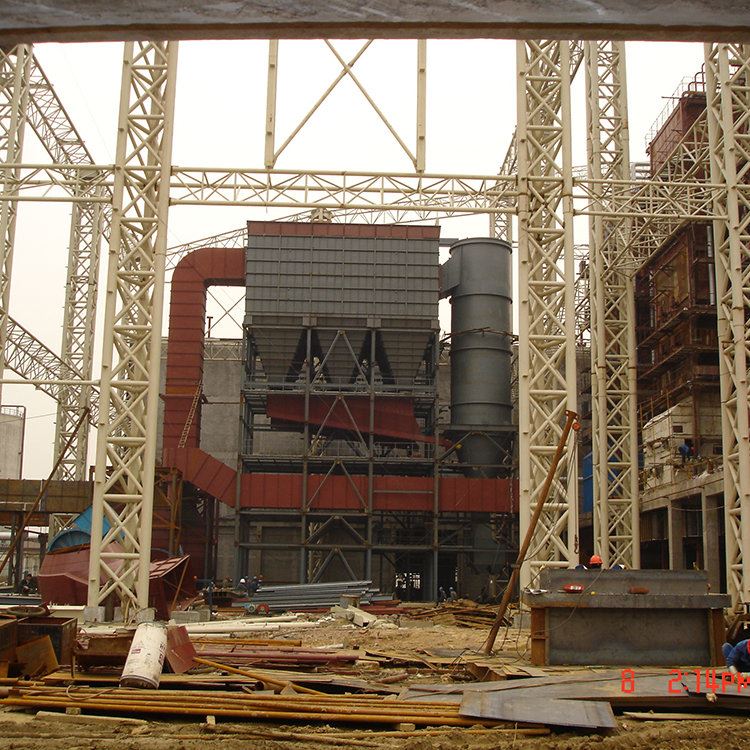
System Design
The design of the dust cleaning system can also play a role in preventing corrosion. For example, the system should be designed to minimize the accumulation of dust and debris, which can trap moisture and corrosive substances and accelerate corrosion. This can be achieved by using smooth surfaces, avoiding sharp corners and edges, and providing adequate drainage.
The system should also be designed to ensure proper ventilation and air flow. This can help to prevent the accumulation of moisture and corrosive substances in the system, as well as to maintain the temperature and pressure conditions within the recommended ranges. Additionally, the system should be designed to allow for easy access to the components for inspection, maintenance, and cleaning.
Conclusion
Preventing corrosion in the dust cleaning system for exhausted gas produced by hazardous waste is essential to ensure the efficient and reliable operation of the system. By selecting the right materials, applying coatings and linings, monitoring corrosion, performing regular maintenance and cleaning, and designing the system properly, the risk of corrosion can be minimized. As a supplier of the Dust Cleaning System for Exhausted Gas Produced By Hazardous Waste, we are committed to providing our customers with high-quality products and services that meet their specific needs. If you are interested in learning more about our dust cleaning systems or have any questions about corrosion prevention, please contact us to discuss your requirements and explore potential procurement opportunities.
References
- ASTM International. (2019). Standard Guide for Selection of Corrosion-Resistant Nonmetallic Materials for Chemical-Processing Equipment. ASTM G48-19.
- National Association of Corrosion Engineers (NACE). (2020). Corrosion Basics: An Introduction. NACE International.
- Tuthill, R. S. (2018). Handbook of Dust Collection. John Wiley & Sons.