

The metallurgy industry is a cornerstone of modern manufacturing, playing a crucial role in producing essential materials for various sectors. However, it is also known for generating a significant amount of dust and pollutants during its operations. These airborne particles can pose serious health risks to workers if not properly managed. As a leading supplier of dust cleaning systems for the metallurgy industry, I understand the importance of these systems in safeguarding the health of workers. In this blog, I will explore how a dust cleaning system for the metallurgy industry affects the health of workers.
The Health Risks Associated with Metallurgy Dust
Metallurgy processes such as smelting, refining, and casting generate a wide range of dust particles, including heavy metals, silica, and other toxic substances. When inhaled, these particles can cause a variety of health problems, ranging from minor respiratory irritation to severe and life - threatening diseases.
Respiratory Diseases
One of the most common health issues associated with metallurgy dust is respiratory diseases. Silica dust, which is often present in metallurgy operations, can cause silicosis, a progressive and irreversible lung disease. Silicosis is characterized by the formation of scar tissue in the lungs, which can lead to shortness of breath, coughing, and in severe cases, respiratory failure.
Other respiratory diseases that can be caused by metallurgy dust include chronic obstructive pulmonary disease (COPD), asthma, and bronchitis. These diseases can significantly reduce the quality of life of workers and may also lead to long - term disability.
Heavy Metal Poisoning
Metallurgy dust may also contain heavy metals such as lead, mercury, cadmium, and arsenic. These heavy metals can accumulate in the body over time and cause a variety of health problems, including neurological damage, kidney damage, and cancer. For example, lead poisoning can affect the nervous system, causing learning disabilities, behavioral problems, and memory loss.
Skin and Eye Irritation
In addition to respiratory and internal health issues, metallurgy dust can also cause skin and eye irritation. Dust particles can come into contact with the skin and eyes, leading to redness, itching, and inflammation. Prolonged exposure to certain types of dust can also increase the risk of skin cancer.
How Dust Cleaning Systems Mitigate Health Risks
A well - designed dust cleaning system for the metallurgy industry can significantly reduce the health risks associated with dust exposure. These systems work by capturing and removing dust particles from the air before they can be inhaled by workers.
Dust Collection
Dust cleaning systems use various methods to collect dust particles. One common method is the use of baghouses, which are large fabric filters that trap dust as air passes through them. Baghouses are highly efficient at capturing dust particles of different sizes, including fine particles that are more likely to be inhaled.
Another method is the use of cyclone separators, which use centrifugal force to separate dust particles from the air. Cyclone separators are particularly effective at capturing larger dust particles.
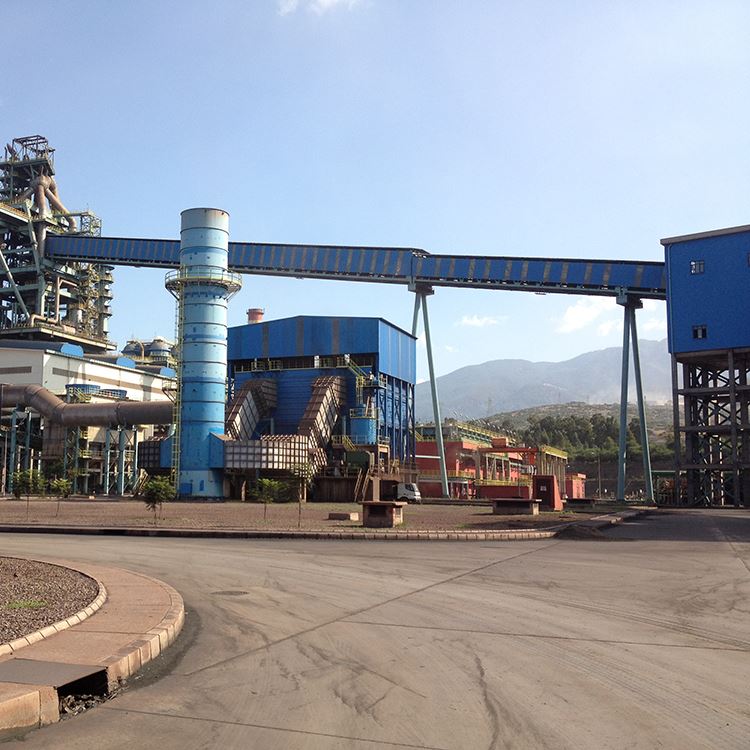
There are also specialized dust cleaning systems for different types of metallurgy furnaces. For example, the Dust Cleaning System for Induction Furnaces is designed to meet the specific dust collection needs of induction furnaces. Similarly, the Dust Cleaning System for Converters and the Dust Cleaning System for Blast Furnaces are tailored to the unique requirements of these types of furnaces.
Air Filtration
After dust particles are collected, they need to be filtered to ensure that the air released back into the environment is clean. Dust cleaning systems typically use high - efficiency particulate air (HEPA) filters or other advanced filtration technologies to remove fine dust particles and pollutants from the air. These filters can capture particles as small as 0.3 microns with a high degree of efficiency, ensuring that the air quality in the workplace is significantly improved.
Ventilation
Proper ventilation is an essential part of a dust cleaning system. Ventilation systems can help to remove dust - laden air from the work area and replace it with fresh air. This not only reduces the concentration of dust in the air but also helps to maintain a comfortable working environment. By ensuring that there is a continuous flow of fresh air, ventilation systems can prevent the accumulation of dust and pollutants in the workplace.
Case Studies: The Impact of Dust Cleaning Systems on Worker Health
There are numerous case studies that demonstrate the positive impact of dust cleaning systems on the health of workers in the metallurgy industry.
In one metallurgy plant, before the installation of a dust cleaning system, workers were experiencing high rates of respiratory problems. After the installation of a state - of - the - art dust cleaning system, the incidence of respiratory diseases among workers decreased significantly. Workers reported less coughing, shortness of breath, and fatigue, and the overall productivity of the plant also increased.
In another case, a metallurgy company that implemented a comprehensive dust cleaning program saw a reduction in the number of workers' compensation claims related to dust - related health issues. This not only saved the company money but also improved the well - being of its workers.
The Role of a Quality Dust Cleaning System Supplier
As a supplier of dust cleaning systems for the metallurgy industry, I play a crucial role in ensuring the health of workers. A quality dust cleaning system supplier should offer the following:
Customized Solutions
Every metallurgy plant has unique dust - generation characteristics and requirements. A good supplier should be able to design and install customized dust cleaning systems that are tailored to the specific needs of each plant. This may involve considering factors such as the type of metallurgy process, the volume of dust generated, and the layout of the plant.

High - Quality Equipment
The quality of the dust cleaning equipment is essential for its effectiveness. A reliable supplier should offer high - quality equipment that is durable, efficient, and easy to maintain. This includes filters, fans, and other components of the dust cleaning system.
Technical Support and Maintenance
In addition to providing high - quality equipment, a supplier should also offer technical support and maintenance services. Regular maintenance is crucial to ensure that the dust cleaning system operates at its optimal level. A supplier should be able to provide timely repairs, filter replacements, and system upgrades to keep the system running smoothly.
Conclusion
In conclusion, a dust cleaning system for the metallurgy industry has a profound impact on the health of workers. By reducing the exposure to harmful dust particles, these systems can prevent a wide range of health problems, including respiratory diseases, heavy metal poisoning, and skin and eye irritation.
As a supplier of dust cleaning systems, I am committed to providing high - quality, customized solutions that can effectively protect the health of workers in the metallurgy industry. If you are a metallurgy plant owner or manager and are concerned about the health of your workers, I encourage you to contact me to discuss how our dust cleaning systems can meet your needs. Together, we can create a safer and healthier working environment for your employees.
References
- National Institute for Occupational Safety and Health (NIOSH). "Occupational Exposure to Respirable Crystalline Silica." NIOSH, 2018.
- World Health Organization (WHO). "Air Quality Guidelines." WHO, 2021.
- American Conference of Governmental Industrial Hygienists (ACGIH). "Threshold Limit Values (TLVs) for Chemical Substances and Physical Agents and Biological Exposure Indices (BEIs)." ACGIH, 2022.