

Waste incineration has become a common method for waste disposal globally, as it can significantly reduce the volume of waste and generate energy. However, the process also releases a complex mixture of pollutants into the atmosphere, which has far - reaching effects on the dust cleaning system for the exhausted gas produced by waste incineration. As a supplier of the Dust Cleaning System for Exhausted Gas Produced By Waste Incineration, I have witnessed firsthand these impacts and their implications for the performance and longevity of our systems.
Composition of Waste Incineration Atmosphere
The atmosphere generated during waste incineration is a complex concoction of particulate matter (PM), acidic gases, heavy metals, and organic pollutants. Particulate matter can range from large visible particles to fine dust and ultrafine particles, which are often the most challenging to capture. Acidic gases such as sulfur dioxide (SO₂), nitrogen oxides (NOₓ), and hydrogen chloride (HCl) are produced due to the combustion of sulfur - containing, nitrogen - containing, and chlorine - containing materials in the waste. Heavy metals like lead, mercury, cadmium, and chromium are vaporized during incineration and can condense onto particulate matter or exist as gaseous species. Organic pollutants, including dioxins and furans, are highly toxic and are formed through complex chemical reactions during the incineration process.
Effects on Filtration Efficiency
One of the primary functions of a dust cleaning system is to remove particulate matter from the exhaust gas. The characteristics of the waste incineration atmosphere can have a significant impact on the filtration efficiency. Large particles can cause abrasion on the filter media, leading to premature wear and tear. Over time, this can result in holes or tears in the filter, allowing particulate matter to pass through and reducing the overall efficiency of the system.
Fine and ultrafine particles, on the other hand, can penetrate the filter media more easily. These particles may also agglomerate on the surface of the filter, forming a dust cake. While a certain amount of dust cake can enhance filtration efficiency by acting as an additional filtration layer, an excessive dust cake can increase the pressure drop across the filter. This increased pressure drop requires more energy to maintain the flow of exhaust gas through the system and can eventually lead to filter clogging, further reducing the filtration efficiency.
The presence of acidic gases in the waste incineration atmosphere can also affect the filtration efficiency. Acidic gases can react with the filter media, especially if the media is not chemically resistant. For example, sulfur dioxide can react with moisture in the exhaust gas to form sulfuric acid, which can corrode the filter material. This corrosion can weaken the structure of the filter, making it more prone to damage and reducing its ability to capture particulate matter.
Impact on System Components
In addition to affecting the filtration efficiency, the waste incineration atmosphere can also have a detrimental impact on other components of the dust cleaning system. Heavy metals in the exhaust gas can deposit on fans, blowers, and other mechanical components. These deposits can cause imbalance in rotating parts, leading to increased vibration and wear. Over time, this can result in mechanical failure of the components, requiring costly repairs or replacements.
Acidic gases can corrode metal components in the dust cleaning system. Pipes, valves, and ductwork are particularly vulnerable to corrosion. Corrosion can lead to leaks in the system, reducing the effectiveness of the dust cleaning process and potentially exposing workers to hazardous gases. Moreover, the corrosion of metal components can also compromise the structural integrity of the system, posing safety risks.
The high temperature of the waste incineration exhaust gas can also pose challenges to the dust cleaning system. Most filter media have a limited temperature tolerance. If the exhaust gas temperature exceeds this limit, the filter media can degrade, losing its filtration properties. High temperatures can also cause thermal expansion and contraction of system components, leading to mechanical stress and potential failure.
Influence on Maintenance Requirements
The effects of the waste incineration atmosphere on the dust cleaning system translate into increased maintenance requirements. Due to the abrasion, corrosion, and clogging caused by the pollutants in the exhaust gas, filters need to be replaced more frequently. Regular inspections are necessary to detect signs of wear and tear on the filter media and other system components.
Cleaning of the dust cleaning system also becomes more challenging. The dust cake formed on the filter may contain toxic substances such as heavy metals and dioxins. Specialized cleaning procedures and equipment are required to safely remove this dust cake without releasing these pollutants into the environment. Additionally, the cleaning frequency may need to be increased to prevent excessive pressure drop and maintain the system's performance.
Adaptations and Solutions
As a supplier of Dust Cleaning System for Exhausted Gas Produced By Waste Incineration, we have developed several strategies to mitigate the effects of the waste incineration atmosphere on our systems. One approach is to use high - quality, chemically resistant filter media. These filter media are designed to withstand the corrosive effects of acidic gases and the abrasive action of particulate matter. For example, some filter media are coated with a protective layer that provides additional chemical resistance.
We also incorporate pre - treatment steps in our dust cleaning systems. For instance, a cooling system can be installed to reduce the temperature of the exhaust gas before it enters the filter. This helps to prevent thermal degradation of the filter media. Additionally, scrubbers can be used to remove acidic gases from the exhaust gas before it reaches the filter. Scrubbers work by contacting the exhaust gas with a liquid absorbent, which reacts with the acidic gases and removes them from the gas stream.
Regular monitoring and maintenance of the dust cleaning system are essential. We provide our customers with detailed maintenance schedules and guidelines to ensure the proper operation of the system. Our technicians are also available for on - site inspections and repairs to address any issues promptly.
Different Types of Dust Cleaning Systems for Related Industries
In addition to the dust cleaning system for waste incineration, we also offer Dust Cleaning System for Exhausted Gas Produced By Biomass and Dust Cleaning System for Exhausted Gas Produced By Hazardous Waste. Biomass incineration produces a different set of pollutants compared to waste incineration. Biomass exhaust gas typically contains a higher proportion of organic particulate matter and lower levels of heavy metals. Our dust cleaning systems for biomass incineration are designed to address these specific characteristics, with filter media and system components that are optimized for the biomass incineration atmosphere.
Hazardous waste incineration, on the other hand, generates a more complex and highly toxic waste incineration atmosphere. The exhaust gas from hazardous waste incineration may contain high levels of heavy metals, radioactive materials, and extremely toxic organic pollutants. Our dust cleaning systems for hazardous waste incineration are equipped with advanced filtration technologies and safety features to ensure the effective removal of these pollutants and protect the environment and human health.
Conclusion
The waste incineration atmosphere has a profound impact on the dust cleaning system for the exhausted gas produced by waste incineration. The complex mixture of pollutants in the atmosphere can affect the filtration efficiency, damage system components, and increase maintenance requirements. However, through the use of high - quality materials, pre - treatment steps, and regular monitoring and maintenance, these effects can be mitigated.
As a leading supplier of dust cleaning systems for waste incineration, biomass incineration, and hazardous waste incineration, we are committed to providing our customers with reliable and efficient solutions. Our systems are designed to meet the specific challenges posed by different waste incineration atmospheres and to ensure compliance with environmental regulations.

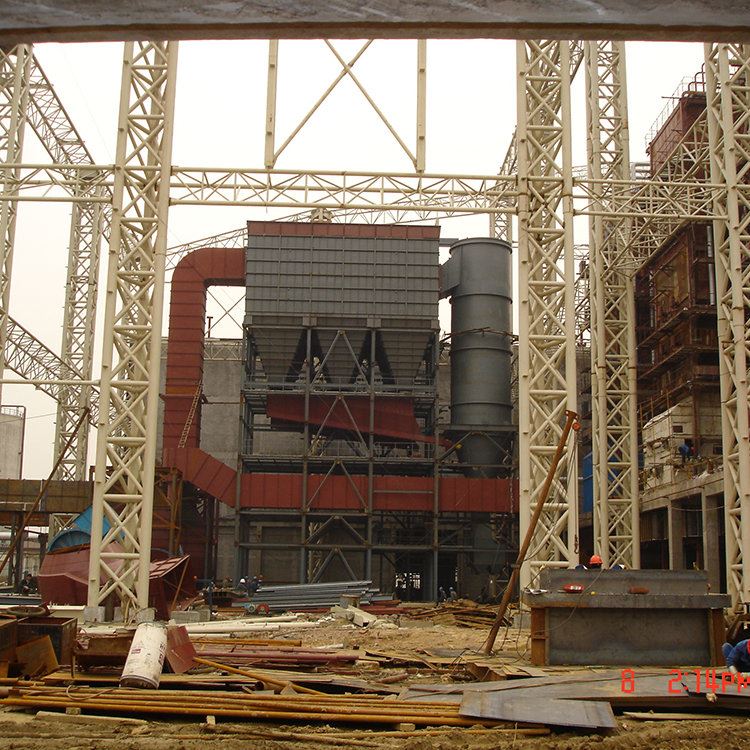
If you are in the market for a dust cleaning system for waste incineration, biomass incineration, or hazardous waste incineration, we invite you to contact us for a detailed discussion. Our team of experts can help you select the most suitable system for your needs and provide you with comprehensive support throughout the installation, operation, and maintenance process.
References
- Tchobanoglous, G., Theisen, H., & Vigil, S. (2003). Integrated Solid Waste Management: Engineering Principles and Management Issues. McGraw - Hill.
- World Health Organization. (2000). Dioxins and their effects on human health.
- USEPA. (2018). Air Pollution Control Technology Fact Sheet: Fabric Filters.