

As a supplier of the Dust Cleaning System for Exhausted Gas Produced By Biomass, I've often been asked about the potential hazards of the dust collected by our systems. This is a crucial question, not only for environmental safety but also for the health and well - being of those involved in biomass processing. In this blog, I'll delve into the science behind biomass exhaust gas dust and whether it poses a hazard.
Understanding Biomass and Its Exhaust Gas
Biomass refers to organic matter such as wood, agricultural residues, and dedicated energy crops. When biomass is burned for energy production, it releases exhaust gas that contains various pollutants, including dust particles. The composition of this dust can vary widely depending on the type of biomass being burned, the combustion conditions, and the presence of any contaminants in the biomass.
Typically, the dust from biomass exhaust gas may contain inorganic compounds like silica, calcium, potassium, and magnesium. These are elements commonly found in the ash of burned biomass. Additionally, there may be organic components, such as unburned carbon particles and volatile organic compounds (VOCs). Some biomass sources may also introduce trace amounts of heavy metals like lead, mercury, and cadmium if the biomass has been contaminated, for example, by industrial waste or pesticides.
Potential Hazards of the Collected Dust
Health Risks
The dust collected by our dust cleaning systems can pose health risks if not properly managed. Inhalation of fine dust particles is a major concern. Particles smaller than 10 micrometers (PM10) can penetrate the respiratory system and reach the lungs. If the dust contains silica, long - term exposure can lead to silicosis, a serious and irreversible lung disease. Similarly, exposure to heavy metals in the dust can have detrimental effects on the human body. Lead can affect the nervous system, especially in children, causing learning disabilities and behavioral problems. Mercury can damage the brain, kidneys, and the immune system.
Environmental Risks
The dust may also have environmental implications. If the collected dust is disposed of inappropriately, heavy metals and other contaminants can leach into the soil and groundwater, polluting the surrounding environment. This can have a cascading effect on ecosystems, affecting plants, animals, and water quality. Moreover, the organic components in the dust, such as VOCs, can contribute to air pollution when released into the atmosphere, forming ground - level ozone and smog.
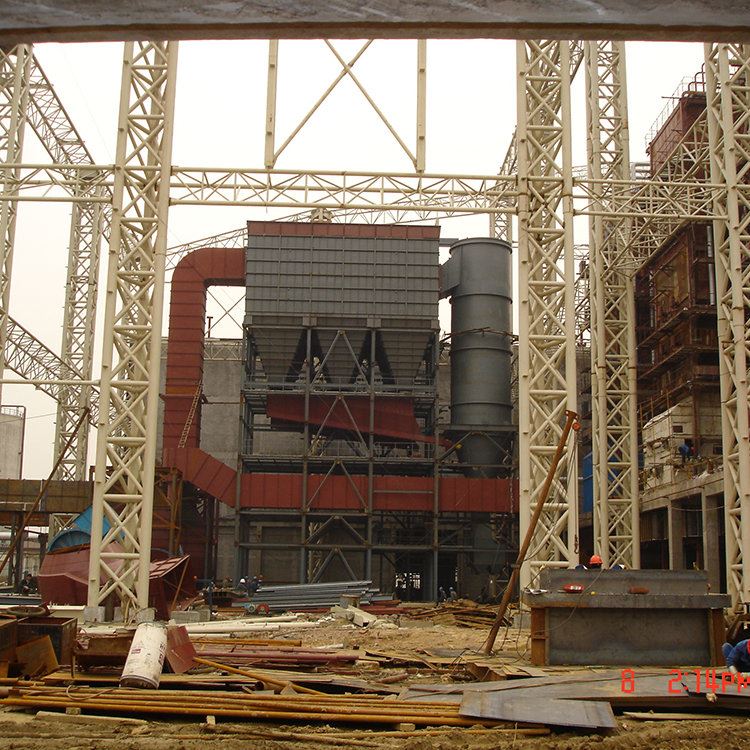

Our Dust Cleaning System's Role in Mitigating Hazards
Our Dust Cleaning System for Exhausted Gas Produced By Biomass Dust Cleaning System for Exhausted Gas Produced By Biomass is designed to effectively capture and manage the dust from biomass exhaust gas. The system uses advanced filtration technologies to remove a high percentage of dust particles, including the fine and potentially hazardous ones.
By efficiently collecting the dust, we prevent a large amount of pollutants from being released into the atmosphere. This not only helps in meeting environmental regulations but also reduces the potential health risks associated with air pollution. Our system is also equipped with mechanisms to separate different types of dust, making it easier to handle and dispose of the collected material safely.
Comparing with Other Dust Cleaning Systems
There are other dust cleaning systems available in the market, such as those for waste incineration and hazardous waste Dust Cleaning System for Exhausted Gas Produced By Waste Incineration and Dust Cleaning System for Exhausted Gas Produced By Hazardous Waste. While these systems share the common goal of dust removal, the nature of the dust they handle can be quite different.
The dust from waste incineration may contain a wider range of toxic substances, including dioxins and furans, which are highly carcinogenic. Hazardous waste dust can be even more dangerous, with potentially high concentrations of heavy metals and other toxic chemicals. Our biomass dust cleaning system is specifically tailored to the unique composition of biomass exhaust gas dust, ensuring optimal performance and safety.
Safe Handling and Disposal of the Collected Dust
Once the dust is collected by our system, proper handling and disposal are essential. We recommend following strict safety protocols during the removal and transportation of the dust. Workers should wear appropriate personal protective equipment (PPE), such as respirators and gloves, to avoid direct contact with the dust.
For disposal, different methods can be employed depending on the composition of the dust. If the dust is mainly composed of inorganic ash with low levels of contaminants, it may be suitable for use in construction materials, such as in the production of bricks or cement. However, if the dust contains significant amounts of heavy metals or other hazardous substances, it should be sent to a specialized hazardous waste treatment facility.
Our Commitment to Safety and Sustainability
At our company, we are committed to ensuring that the dust collected by our systems is managed in the safest and most sustainable way possible. We continuously invest in research and development to improve the efficiency of our dust cleaning systems and to find better ways to handle the collected dust. Our systems are designed to meet or exceed international environmental and safety standards.
We also provide comprehensive training and support to our customers on the proper operation, maintenance, and dust management of our systems. This helps to minimize the risks associated with the collected dust and ensures that our customers can operate their biomass energy facilities in an environmentally friendly and socially responsible manner.
Conclusion
In conclusion, the dust collected by the dust cleaning system for exhausted gas produced by biomass can be hazardous if not properly managed. It contains a variety of substances that can pose health and environmental risks. However, with our advanced dust cleaning system and proper handling and disposal procedures, these risks can be effectively mitigated.
If you are in the biomass energy industry and are looking for a reliable and safe dust cleaning solution, we invite you to contact us for a detailed discussion. Our team of experts is ready to assist you in choosing the most suitable system for your needs and to provide you with all the necessary support for its operation.
References
- World Health Organization (WHO). "Air quality guidelines: Particulate matter, ozone, nitrogen dioxide and sulfur dioxide." WHO, 2006.
- United States Environmental Protection Agency (EPA). "Biomass Power and the Environment." EPA, 2011.
- International Labour Organization (ILO). "Occupational safety and health guidelines on the prevention of silicosis." ILO, 2012.