

How to Select the Appropriate Dust Cleaning System Capacity for a Waste Incineration Plant
As a supplier specializing in Dust Cleaning Systems for the Waste Incineration Industry, I've witnessed firsthand the critical importance of selecting the right capacity for these systems. A waste incineration plant generates a significant amount of exhaust gas containing various pollutants, including dust particles. The efficiency of dust removal directly impacts the environmental compliance of the plant and the overall health and safety of the surrounding community. In this blog post, I'll share some key considerations and steps to help you select the appropriate dust cleaning system capacity for your waste incineration plant.
Understanding the Basics of Dust Cleaning in Waste Incineration
Before delving into capacity selection, it's essential to understand the different types of dust cleaning systems commonly used in waste incineration plants. These include bag filters, electrostatic precipitators (ESPs), and wet scrubbers. Each system has its advantages and disadvantages, and the choice depends on factors such as the type of waste being incinerated, the desired level of dust removal efficiency, and the cost of installation and operation.
Bag filters are one of the most widely used dust cleaning systems in waste incineration plants. They work by passing the exhaust gas through a series of fabric bags, which trap the dust particles. Bag filters are known for their high dust removal efficiency, typically achieving over 99% removal of particulate matter. They are also relatively easy to install and maintain, making them a popular choice for many plants.
Electrostatic precipitators use an electrostatic charge to attract and collect dust particles from the exhaust gas. ESPs are highly efficient in removing fine dust particles and can achieve removal efficiencies of up to 99.9%. However, they are more expensive to install and operate than bag filters and require a significant amount of space.
Wet scrubbers use a liquid (usually water) to remove dust particles from the exhaust gas. The exhaust gas is passed through a scrubbing chamber, where it comes into contact with the liquid, which captures the dust particles. Wet scrubbers are effective in removing both dust and gaseous pollutants and can be used in combination with other dust cleaning systems for enhanced performance. However, they require a large amount of water and can generate wastewater that needs to be treated before disposal.
Factors Affecting Dust Cleaning System Capacity
The capacity of a dust cleaning system refers to its ability to handle a certain volume of exhaust gas and remove a specific amount of dust particles. Several factors need to be considered when determining the appropriate capacity for a waste incineration plant:
- Waste Type and Quantity: The type and quantity of waste being incinerated have a significant impact on the amount of dust generated. Different types of waste produce different amounts and sizes of dust particles. For example, hazardous waste incineration may generate more toxic and fine dust particles compared to biomass or municipal solid waste incineration. The quantity of waste also affects the volume of exhaust gas produced, which in turn determines the required capacity of the dust cleaning system.
- Exhaust Gas Flow Rate: The flow rate of the exhaust gas is another crucial factor in determining the capacity of the dust cleaning system. The flow rate is influenced by the size of the incinerator, the combustion process, and the operating conditions of the plant. A higher flow rate requires a larger capacity dust cleaning system to ensure efficient dust removal.
- Dust Concentration: The concentration of dust particles in the exhaust gas is an important consideration when selecting the capacity of the dust cleaning system. The dust concentration can vary depending on the type of waste being incinerated, the combustion efficiency, and the design of the incinerator. A higher dust concentration requires a more powerful dust cleaning system to achieve the desired level of dust removal.
- Desired Dust Removal Efficiency: The desired level of dust removal efficiency is a key factor in determining the capacity of the dust cleaning system. Different regulatory requirements and environmental standards may specify the maximum allowable dust emissions from a waste incineration plant. The dust cleaning system must be capable of achieving the required removal efficiency to ensure compliance with these standards.
Steps to Select the Appropriate Dust Cleaning System Capacity
Based on the factors mentioned above, the following steps can be followed to select the appropriate dust cleaning system capacity for a waste incineration plant:
- Conduct a Waste Analysis: Start by conducting a detailed analysis of the waste being incinerated. This includes determining the type, quantity, and composition of the waste, as well as the expected dust generation rate. The waste analysis will provide valuable information for estimating the exhaust gas flow rate and dust concentration.
- Determine the Exhaust Gas Flow Rate: The exhaust gas flow rate can be calculated based on the size of the incinerator, the combustion process, and the operating conditions of the plant. It is important to consider both the normal operating conditions and any potential peak flow rates that may occur during startup, shutdown, or abnormal operating conditions.
- Estimate the Dust Concentration: The dust concentration in the exhaust gas can be estimated based on the waste analysis and the type of incinerator being used. It is recommended to conduct on-site measurements of the dust concentration to obtain more accurate data.
- Select the Dust Cleaning System Type: Based on the waste type, exhaust gas flow rate, dust concentration, and desired dust removal efficiency, select the most suitable dust cleaning system type. Consider the advantages and disadvantages of each system and evaluate the cost of installation, operation, and maintenance.
- Calculate the Required Capacity: Once the dust cleaning system type has been selected, calculate the required capacity based on the exhaust gas flow rate, dust concentration, and desired dust removal efficiency. The capacity calculation should take into account any safety factors or margin of error to ensure reliable operation of the system.
- Consult with a Professional: Selecting the appropriate dust cleaning system capacity is a complex process that requires expertise and experience. It is recommended to consult with a professional engineer or a dust cleaning system supplier who can provide technical advice and assistance based on your specific requirements.
Importance of Proper Capacity Selection
Selecting the appropriate dust cleaning system capacity is crucial for the efficient and effective operation of a waste incineration plant. An undersized system will not be able to handle the volume of exhaust gas and dust particles, resulting in poor dust removal efficiency and potential environmental violations. On the other hand, an oversized system will be more expensive to install and operate, leading to unnecessary costs.

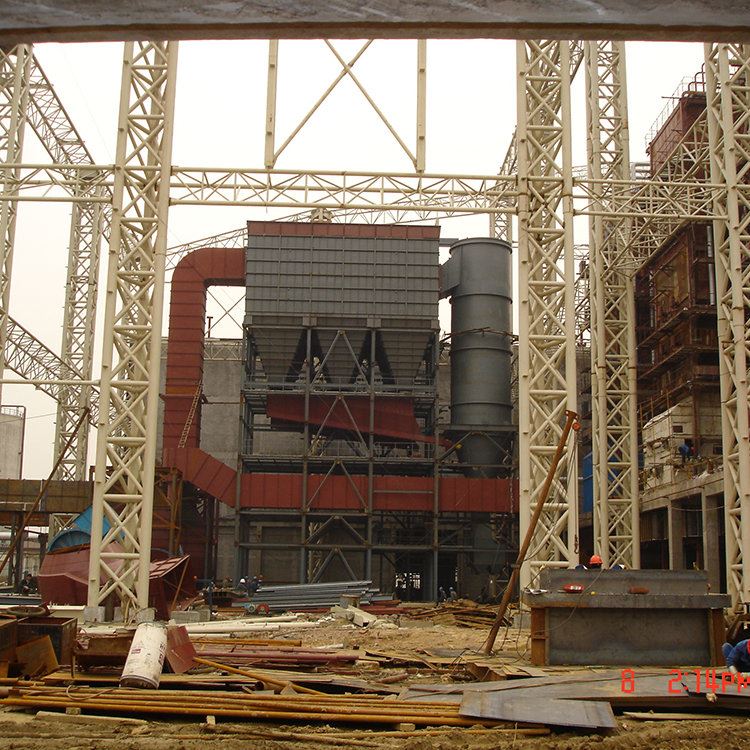
Proper capacity selection also ensures the long-term reliability and durability of the dust cleaning system. A system that is operating at its designed capacity will experience less wear and tear, reducing the need for frequent maintenance and replacement of components. This can result in significant cost savings over the life of the system.
Conclusion
Selecting the appropriate dust cleaning system capacity for a waste incineration plant is a critical decision that requires careful consideration of several factors. By understanding the basics of dust cleaning systems, considering the factors affecting capacity, and following the steps outlined in this blog post, you can make an informed decision that meets your specific requirements.
As a supplier of Dust Cleaning System for Exhausted Gas Produced By Biomass, Dust Cleaning System for Exhausted Gas Produced By Waste Incineration, and Dust Cleaning System for Exhausted Gas Produced By Hazardous Waste, we have the expertise and experience to help you select the right dust cleaning system for your plant. If you have any questions or need further information, please feel free to contact us for a consultation. We look forward to working with you to ensure the efficient and environmentally friendly operation of your waste incineration plant.
References
- American Society of Mechanical Engineers (ASME). (2019). Boiler and Pressure Vessel Code.
- United States Environmental Protection Agency (EPA). (2020). National Emission Standards for Hazardous Air Pollutants (NESHAP) for Municipal Waste Combustors.
- European Union (EU). (2010). Directive 2010/75/EU on industrial emissions (Integrated Pollution Prevention and Control).