

Hey there! As a supplier of Dust Cleaning System for Induction Furnaces, I often get asked about how to determine the appropriate dust removal rate for these systems. It's a crucial question because getting the dust removal rate right can make a huge difference in the efficiency and effectiveness of the entire setup. So, let's dive into this topic and break it down step by step.
Understanding the Basics of Dust Removal in Induction Furnaces
First things first, we need to understand why dust removal is so important in induction furnaces. Induction furnaces are widely used in the metallurgy industry to melt and refine metals. During this process, a significant amount of dust and fumes are generated. These dust particles can contain harmful substances like heavy metals and oxides, which not only pose a threat to the health of workers but can also damage the equipment if not properly removed.
A good dust cleaning system helps to maintain a clean and safe working environment, extends the lifespan of the induction furnace, and ensures compliance with environmental regulations. But how do we know what dust removal rate is appropriate for a specific induction furnace? Well, it depends on several factors.
Factors Affecting the Appropriate Dust Removal Rate
1. Furnace Size and Capacity
The size and capacity of the induction furnace play a major role in determining the dust removal rate. Larger furnaces with higher melting capacities tend to generate more dust and fumes. For example, a small induction furnace used for laboratory purposes may produce a relatively small amount of dust compared to a large industrial - scale furnace used for mass production. So, a bigger furnace will generally require a higher dust removal rate to keep up with the dust generation.
2. Type of Metal Being Melted
Different metals produce different amounts and types of dust when melted. Metals like aluminum and copper may generate less dust compared to iron and steel. Also, some metals may produce more fine dust particles, which are harder to capture. For instance, when melting stainless steel, the presence of chromium and nickel can result in the formation of fine and potentially hazardous dust. In such cases, a higher dust removal rate may be necessary to ensure that all the harmful particles are captured.
3. Operating Conditions
The operating conditions of the induction furnace, such as the melting temperature, melting time, and frequency of operation, also affect the dust generation rate. Higher melting temperatures can cause more rapid evaporation and oxidation of the metal, leading to increased dust production. Similarly, longer melting times and more frequent operation will result in a greater overall amount of dust being generated over time.
Calculating the Dust Generation Rate
Before we can determine the appropriate dust removal rate, we need to calculate the dust generation rate of the induction furnace. This can be a bit tricky, but there are some methods and formulas that can help.
One common approach is to use empirical data based on similar induction furnaces in the industry. For example, if you know that a furnace of a certain size and capacity melting a particular metal under specific operating conditions typically generates X kilograms of dust per hour, you can use this as a starting point.
Another method is to conduct on - site measurements. You can use dust sampling equipment to collect samples of the dust generated during the melting process and then analyze them to determine the amount of dust produced. This method provides more accurate data but can be time - consuming and expensive.
Once you have calculated the dust generation rate, you can start thinking about the appropriate dust removal rate.
Determining the Appropriate Dust Removal Rate
The appropriate dust removal rate should be high enough to capture all the dust generated by the induction furnace. A general rule of thumb is that the dust removal rate should be at least equal to the dust generation rate. However, in practice, it's often recommended to have a slightly higher dust removal rate to account for any fluctuations in the dust generation rate and to ensure a margin of safety.
For example, if your induction furnace generates 10 kilograms of dust per hour, you may want to aim for a dust removal rate of 12 - 15 kilograms per hour. This extra capacity can help to handle any unexpected increases in dust production, such as during a sudden increase in the melting temperature or a change in the type of metal being melted.
Comparing with Other Dust Cleaning Systems
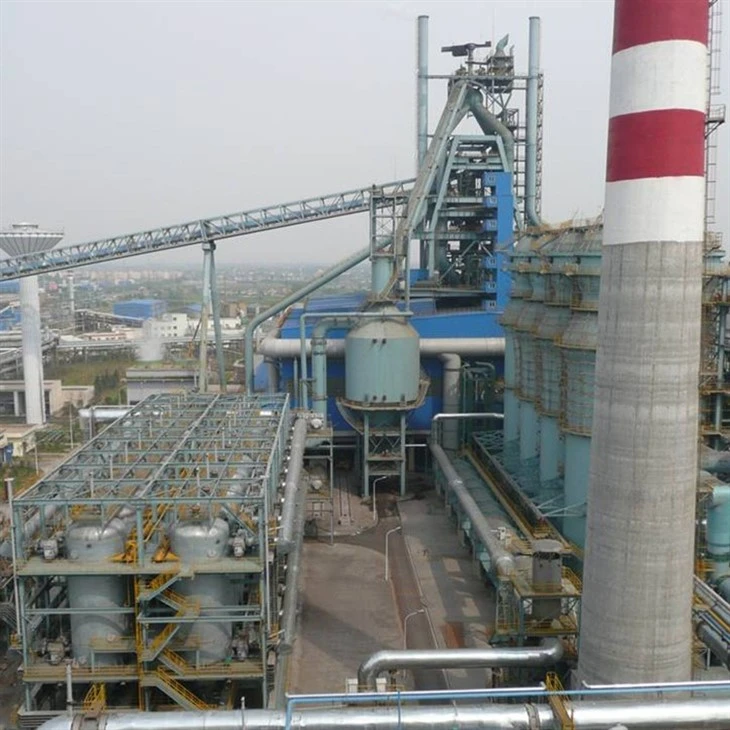
It's also interesting to compare the dust cleaning requirements of induction furnaces with other systems in the metallurgy industry. For example, the Dust Cleaning System for Blast Furnaces has different characteristics. Blast furnaces are much larger and operate at extremely high temperatures, generating a massive amount of dust and gases. So, their dust removal systems need to be designed to handle a much higher volume of contaminants.
The Dust Cleaning System for Raw Materials is focused on removing dust from the raw materials before they are fed into the furnace. This helps to prevent the introduction of additional dust into the melting process and can improve the overall efficiency of the furnace.
And the Dust Cleaning System for Converters is designed to deal with the dust and fumes generated during the steel - making process in converters. Each of these systems has its own unique requirements, but the basic principle of determining the appropriate dust removal rate remains the same: understanding the dust generation rate and designing a system to handle it.
Choosing the Right Dust Cleaning System
Once you have determined the appropriate dust removal rate, you need to choose the right dust cleaning system for your induction furnace. There are several types of dust cleaning systems available, including bag filters, cyclone separators, and electrostatic precipitators.
Bag filters are very effective at capturing fine dust particles and are relatively easy to maintain. Cyclone separators are good for removing larger dust particles and are more suitable for pre - cleaning. Electrostatic precipitators use an electrostatic charge to capture dust particles and are often used in large - scale industrial applications.
When choosing a dust cleaning system, you should consider factors such as the dust removal efficiency, the cost of installation and operation, and the space available in your facility.
Conclusion
Determining the appropriate dust removal rate for a dust cleaning system for induction furnaces is a complex but important task. It requires a good understanding of the factors that affect dust generation, such as furnace size, type of metal, and operating conditions. By calculating the dust generation rate accurately and choosing the right dust cleaning system, you can ensure a clean and safe working environment, protect your equipment, and comply with environmental regulations.
If you're in the market for a Dust Cleaning System for Induction Furnaces and need help determining the appropriate dust removal rate for your specific needs, don't hesitate to reach out. We're here to assist you in finding the best solution for your induction furnace dust cleaning requirements.

References
- "Handbook of Industrial Furnaces: Technology and Operation"
- "Environmental Regulations in the Metallurgy Industry"
- Industry reports on dust cleaning systems for induction furnaces