

Integrating a dust cleaning system for coke ovens into the overall production process smoothly is a critical task that requires careful planning, technical expertise, and a deep understanding of both the dust cleaning technology and the coke oven production process. As a supplier of Dust Cleaning System for Coke Ovens, I have witnessed firsthand the challenges and opportunities that come with this integration. In this blog post, I will share some insights and practical tips on how to achieve a seamless integration.
Understanding the Coke Oven Production Process
Before diving into the integration process, it is essential to have a comprehensive understanding of the coke oven production process. Coke ovens are used to convert coal into coke, a porous and carbon-rich material used primarily in the steelmaking industry. The production process involves several stages, including coal charging, carbonization, and coke pushing. Each stage generates a significant amount of dust and pollutants, which can have a detrimental impact on the environment, worker health, and equipment performance.
The dust generated in coke ovens mainly consists of coal dust, coke dust, and various chemical compounds. These particles can be suspended in the air for extended periods, posing a serious health risk to workers exposed to them. Moreover, the accumulation of dust on equipment surfaces can lead to increased wear and tear, reduced efficiency, and even equipment failure. Therefore, effective dust cleaning is not only a regulatory requirement but also a necessity for maintaining a safe and efficient production environment.
Selecting the Right Dust Cleaning System
The first step in integrating a dust cleaning system for coke ovens is to select the right system for your specific needs. There are several types of dust cleaning systems available on the market, each with its own advantages and limitations. Some of the most common types include baghouse filters, electrostatic precipitators, and wet scrubbers.
- Baghouse Filters: Baghouse filters are one of the most widely used dust cleaning systems in the coke oven industry. They work by passing the dusty air through a series of fabric bags, which trap the dust particles. The clean air then passes through the bags and is released into the atmosphere. Baghouse filters are known for their high efficiency, reliability, and relatively low cost. However, they require regular maintenance to ensure optimal performance, including bag replacement and cleaning.
- Electrostatic Precipitators: Electrostatic precipitators use an electrostatic charge to remove dust particles from the air. The dusty air is passed through a series of charged plates, which attract and collect the dust particles. The clean air then passes through the plates and is released into the atmosphere. Electrostatic precipitators are highly efficient and can handle large volumes of air. However, they are more expensive to install and operate than baghouse filters, and they require specialized maintenance and monitoring.
- Wet Scrubbers: Wet scrubbers use a liquid, usually water, to remove dust particles from the air. The dusty air is passed through a scrubbing chamber, where it comes into contact with the liquid. The dust particles are then captured by the liquid and removed from the air. Wet scrubbers are effective at removing both dust and gaseous pollutants. However, they require a large amount of water and energy to operate, and they can generate wastewater that needs to be treated before disposal.
When selecting a dust cleaning system, it is important to consider factors such as the type and concentration of dust, the volume of air to be treated, the operating conditions, and the budget. It is also advisable to consult with a professional dust cleaning system supplier, who can provide expert advice and guidance based on your specific requirements.
Designing the Integration Plan
Once the dust cleaning system has been selected, the next step is to design the integration plan. The integration plan should outline the steps and procedures for installing, commissioning, and operating the dust cleaning system in conjunction with the coke oven production process. It should also include a detailed schedule, budget, and risk assessment.
- Installation: The installation of the dust cleaning system should be carried out by a qualified and experienced contractor. The contractor should follow the manufacturer's instructions and guidelines to ensure proper installation and operation of the system. During the installation process, it is important to ensure that the system is properly connected to the coke oven production equipment and that all safety measures are in place.
- Commissioning: After the installation is complete, the dust cleaning system should be commissioned to ensure that it is operating properly. Commissioning involves a series of tests and checks to verify the performance of the system, including airflow, pressure, temperature, and dust removal efficiency. Any issues or problems identified during the commissioning process should be addressed immediately to ensure the safe and efficient operation of the system.
- Operation and Maintenance: Once the dust cleaning system is commissioned and operational, it is important to establish a regular operation and maintenance schedule. The schedule should include tasks such as filter replacement, equipment cleaning, and system monitoring. Regular maintenance is essential to ensure the long-term performance and reliability of the dust cleaning system.
Coordinating with the Production Team
Integrating a dust cleaning system for coke ovens into the overall production process requires close coordination and communication between the dust cleaning system supplier, the installation contractor, and the production team. The production team should be involved in the planning and design process from the beginning to ensure that the dust cleaning system meets their needs and requirements.
- Training: The production team should receive comprehensive training on the operation and maintenance of the dust cleaning system. The training should cover topics such as system components, operating procedures, safety measures, and troubleshooting. Proper training is essential to ensure that the production team can operate the dust cleaning system safely and effectively.
- Communication: Effective communication between the dust cleaning system supplier, the installation contractor, and the production team is crucial for a successful integration. Regular meetings and updates should be held to discuss the progress of the integration project, address any issues or concerns, and ensure that everyone is on the same page.
- Emergency Response: In the event of an emergency, such as a system failure or a dust explosion, it is important to have an emergency response plan in place. The emergency response plan should outline the steps and procedures for dealing with the emergency, including evacuation procedures, fire suppression, and system shutdown. The production team should be trained on the emergency response plan and should be familiar with the location and operation of all emergency equipment.
Monitoring and Optimization
Once the dust cleaning system is integrated into the overall production process, it is important to monitor its performance regularly to ensure that it is operating efficiently and effectively. Monitoring can be done using a variety of techniques, including air quality monitoring, equipment performance monitoring, and energy consumption monitoring.
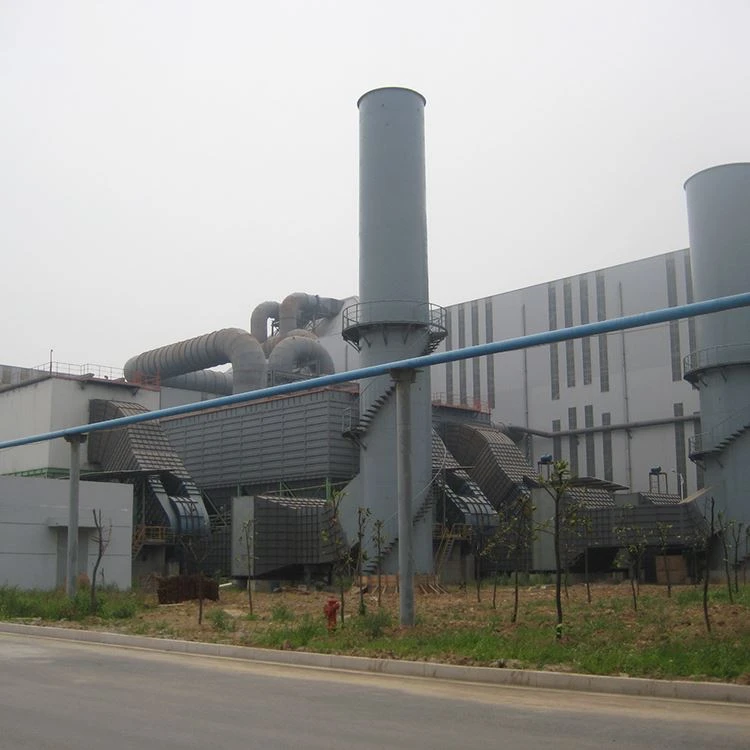

- Air Quality Monitoring: Air quality monitoring is essential to ensure that the dust cleaning system is effectively removing dust and pollutants from the air. Air quality monitors can be installed at various locations in the production facility to measure the concentration of dust and other pollutants in the air. The data collected from the air quality monitors can be used to evaluate the performance of the dust cleaning system and to identify any areas for improvement.
- Equipment Performance Monitoring: Equipment performance monitoring is important to ensure that the dust cleaning system is operating at its optimal level. Equipment performance monitors can be installed on the dust cleaning system components, such as the fans, filters, and pumps, to measure their performance. The data collected from the equipment performance monitors can be used to detect any potential problems or issues with the equipment and to schedule maintenance or repairs as needed.
- Energy Consumption Monitoring: Energy consumption monitoring is important to ensure that the dust cleaning system is operating efficiently and cost-effectively. Energy consumption monitors can be installed on the dust cleaning system components to measure their energy consumption. The data collected from the energy consumption monitors can be used to identify any areas where energy savings can be achieved, such as by optimizing the system operation or by upgrading the equipment.
Based on the monitoring data, the dust cleaning system can be optimized to improve its performance and efficiency. Optimization can involve a variety of measures, such as adjusting the system settings, upgrading the equipment, or implementing energy-saving measures.
Conclusion
Integrating a dust cleaning system for coke ovens into the overall production process smoothly is a complex and challenging task. However, by following the steps and tips outlined in this blog post, you can ensure a successful integration and achieve a safe, efficient, and environmentally friendly production environment.
As a supplier of Dust Cleaning System for Coke Ovens, we are committed to providing our customers with high-quality products and services. We have a team of experienced engineers and technicians who can help you select the right dust cleaning system for your specific needs, design the integration plan, and provide ongoing support and maintenance. If you are interested in learning more about our Dust Cleaning System for Coke Ovens or if you have any questions or concerns, please contact us today to start a discussion about your procurement needs.
References
- "Dust Control in the Coke Oven Industry," American Iron and Steel Institute.
- "Air Pollution Control Technology for the Coke Oven Industry," Environmental Protection Agency.
- "Best Practices for Dust Cleaning System Integration in the Metallurgy Industry," International Metallurgy Association.