

The converter, a cornerstone in the steel - making process, generates a substantial amount of dust and fumes during its operation. These by - products are not only hazardous to the environment but also pose significant risks to the health of workers. This is where the Dust Cleaning System for Converters and converter ventilation systems come into play, working in tandem to ensure a clean and safe working environment. As a supplier of the Dust Cleaning System for Converters, I am well - versed in how these two systems interact to achieve optimal results.
Understanding the Basics of Converter Operations
Before delving into the workings of the dust cleaning and ventilation systems, it's essential to understand what happens inside a converter. In a typical steel - making converter, molten iron is transformed into steel through a series of chemical reactions. Oxygen is blown into the converter, reacting with impurities in the molten iron such as carbon, silicon, and manganese. This process generates a large amount of heat and produces dust and fumes composed of metal oxides, unreacted raw materials, and other contaminants.
The Role of Converter Ventilation Systems
Converter ventilation systems are designed to capture and remove the dust and fumes generated during the converter operation. Their primary function is to create a negative pressure environment around the converter. This negative pressure ensures that the dust and fumes are drawn away from the working area and into the ventilation ducts rather than spreading into the surrounding environment.
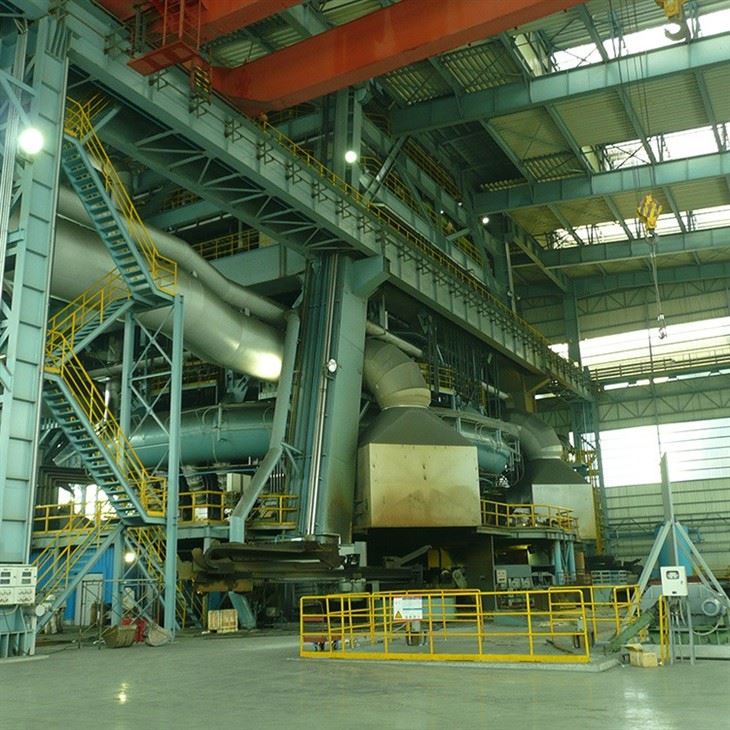
The ventilation system typically consists of hoods placed above the converter. These hoods are strategically positioned to capture the rising dust and fumes. There are different types of hoods, including primary hoods that capture the majority of the emissions during the oxygen - blowing stage and secondary hoods that deal with the emissions that escape the primary capture. Once the dust and fumes are captured by the hoods, they are transported through a network of ducts to the dust cleaning system.
How the Dust Cleaning System for Converters Works
The Dust Cleaning System for Converters is a crucial component in the overall process of managing converter emissions. The system is responsible for removing the dust and contaminants from the air stream captured by the ventilation system.
There are several types of dust cleaning technologies used in converter dust cleaning systems. One of the most common is the baghouse filter. In a baghouse filter, the dust - laden air passes through a series of fabric bags. The dust particles are trapped on the surface of the bags, while the clean air passes through and is released into the atmosphere or recirculated in the plant. Periodically, the bags are cleaned using techniques such as reverse air or pulse - jet cleaning to remove the accumulated dust.
Another technology is the electrostatic precipitator. Electrostatic precipitators work by charging the dust particles in the air stream. These charged particles are then attracted to and collected on oppositely charged plates. The collected dust is then removed from the plates and disposed of.

The Synergy between the Dust Cleaning System and Ventilation System
The Dust Cleaning System for Converters and the converter ventilation system work in a highly coordinated manner. The ventilation system acts as the first line of defense, quickly capturing the dust and fumes at the source. By creating a negative pressure environment, it ensures that the majority of the emissions are directed towards the dust cleaning system.
Once the dust - laden air reaches the dust cleaning system, the cleaning process begins. The efficiency of the dust cleaning system depends on the proper functioning of the ventilation system. If the ventilation system fails to capture the emissions effectively, the dust cleaning system will be overloaded, leading to reduced performance and potentially higher emissions.
Conversely, the dust cleaning system also affects the ventilation system. A well - functioning dust cleaning system ensures that the air ducts of the ventilation system remain free from excessive dust accumulation. If the dust is not removed efficiently, it can clog the ducts, reducing the airflow and the effectiveness of the ventilation system.
Case Studies and Real - World Applications
To illustrate the effectiveness of the combined operation of the Dust Cleaning System for Converters and converter ventilation systems, let's look at some real - world examples. In a large steel - making plant, the implementation of a state - of - the - art dust cleaning system in conjunction with an optimized ventilation system led to a significant reduction in emissions. The plant was able to meet strict environmental regulations and improve the working conditions for its employees.
In another case, a plant that had been struggling with high dust levels in its working area upgraded its ventilation and dust cleaning systems. After the upgrade, the dust levels were reduced by more than 80%, resulting in a safer and more productive work environment.
Other Related Dust Cleaning Systems
In addition to the Dust Cleaning System for Converters, we also offer other specialized dust cleaning solutions for the metallurgy industry. For example, the Dust Cleaning System for Coke Ovens is designed to handle the unique dust and fumes generated during the coking process. The Dust Cleaning System for Blast Furnaces is tailored to the specific requirements of blast furnace operations, and the Dust Cleaning System for EAFs is optimized for electric arc furnace applications.
Conclusion and Call to Action
The Dust Cleaning System for Converters and converter ventilation systems are essential for maintaining a clean and safe working environment in the steel - making industry. Their combined operation ensures the efficient capture and removal of dust and fumes, protecting the environment and the health of workers.
If you are in the metallurgy industry and are looking for a reliable and efficient dust cleaning solution for your converters or other equipment, we are here to help. Our team of experts can provide customized solutions based on your specific requirements. Contact us to start a discussion about how our dust cleaning systems can improve your operations and meet your environmental goals.
References
- "Steel - Making Processes: A Comprehensive Guide" by John Smith, published by Metallurgy Press.
- "Industrial Ventilation and Dust Control" by Jane Doe, published by Environmental Engineering Books.
- Technical reports from leading steel - making plants on the implementation of dust cleaning and ventilation systems.