

As a trusted supplier of Dust Cleaning Systems for Sinter Plants, I've witnessed firsthand the critical role these systems play in maintaining a safe and efficient industrial environment. Sinter plants are a significant source of dust emissions, and without proper dust control, the accumulation of dust can lead to a multitude of problems, including equipment damage, health hazards for workers, and environmental pollution. In this blog, I'll delve into how our dust cleaning systems prevent the accumulation of dust in the system.
Understanding the Dust Generation in Sinter Plants
Before we explore the prevention methods, it's essential to understand how dust is generated in sinter plants. Sintering is a process where iron ore fines, coke breeze, limestone, and other additives are mixed and heated to form agglomerates. During this process, various stages contribute to dust generation. For instance, the handling and transportation of raw materials, the ignition and sintering process itself, and the subsequent cooling and screening of the sintered product all release dust particles into the air.
These dust particles vary in size and composition. Coarse particles can settle quickly, but fine particles, often referred to as PM2.5 (particulate matter with a diameter of 2.5 micrometers or less) and PM10 (particulate matter with a diameter of 10 micrometers or less), can remain suspended in the air for extended periods. If not properly controlled, these fine particles can accumulate in the system, causing blockages, reducing the efficiency of equipment, and posing health risks to workers.
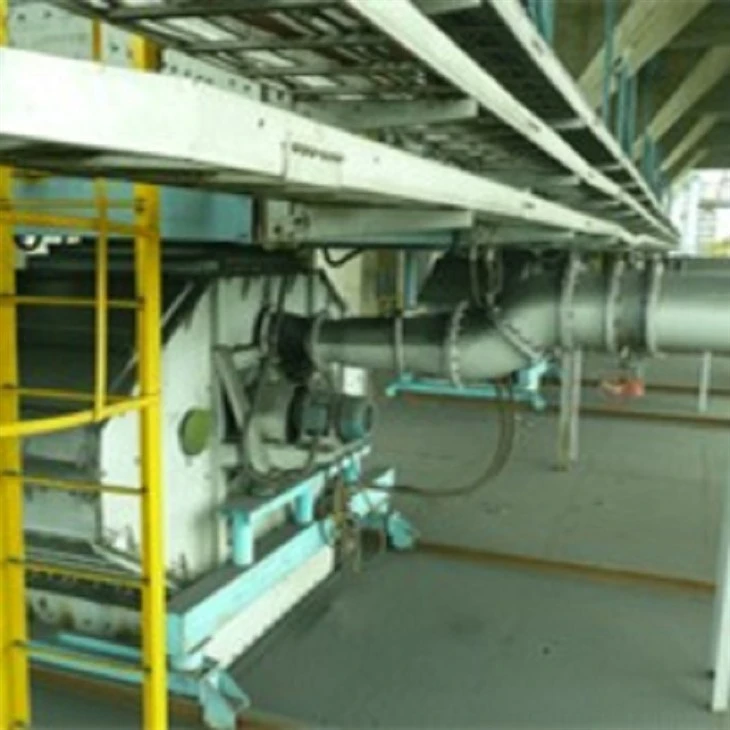
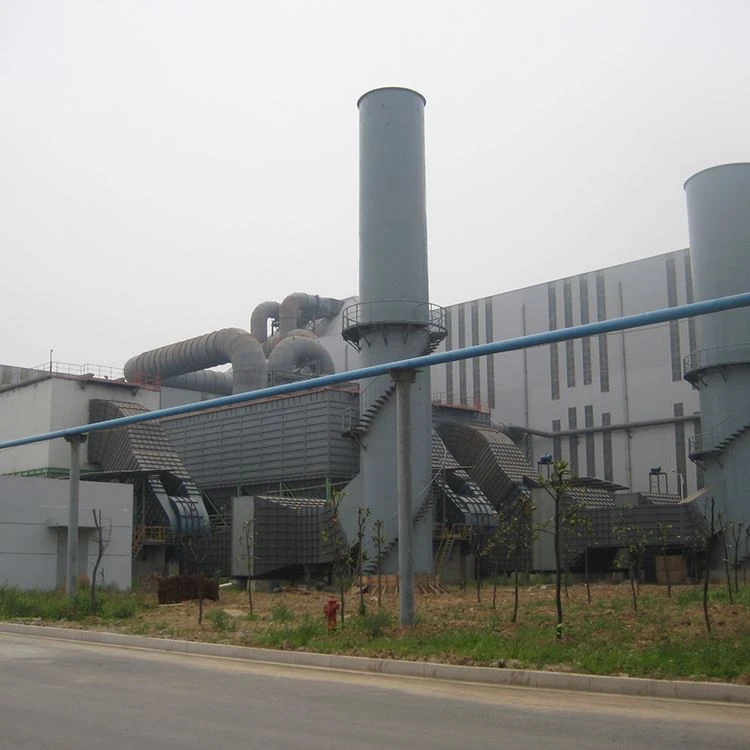
Key Components of Our Dust Cleaning System
Our Dust Cleaning System for Sinter Plants is a comprehensive solution that consists of several key components, each designed to work together to prevent dust accumulation.
Dust Collectors
Dust collectors are the heart of our system. We offer a variety of dust collectors, including bag filters and electrostatic precipitators. Bag filters are highly efficient in capturing fine dust particles. They work by passing the dusty air through a series of fabric bags. The dust particles are trapped on the surface of the bags, while the clean air passes through. Periodically, the bags are cleaned to remove the accumulated dust.
Electrostatic precipitators, on the other hand, use an electrostatic charge to attract and collect dust particles. The dusty air is passed through an electrically charged field, where the dust particles become charged and are then attracted to collector plates. The collected dust is then removed from the plates.
Ventilation Systems
Proper ventilation is crucial for preventing dust accumulation. Our ventilation systems are designed to capture dust at the source and transport it to the dust collectors. We install hoods and ducts at strategic locations in the sinter plant, such as near the raw material handling areas, the sintering machines, and the screening and cooling equipment. These hoods and ducts collect the dust-laden air and direct it to the dust collectors.
The ventilation systems also ensure a continuous flow of air in the plant, preventing the formation of stagnant air pockets where dust can accumulate. By maintaining a negative pressure in the plant, the ventilation systems also prevent dust from escaping into the surrounding environment.
Monitoring and Control Systems
To ensure the effective operation of our dust cleaning system, we incorporate advanced monitoring and control systems. These systems continuously monitor the performance of the dust collectors, ventilation systems, and other components of the system. They measure parameters such as dust concentration, air flow rate, pressure drop, and temperature.
Based on the data collected, the control systems can automatically adjust the operation of the system to optimize its performance. For example, if the dust concentration in the air exceeds a certain limit, the control system can increase the cleaning frequency of the bag filters or adjust the voltage in the electrostatic precipitators.
Preventive Measures Against Dust Accumulation
In addition to the key components of our system, we also implement several preventive measures to further prevent dust accumulation.
Regular Maintenance
Regular maintenance is essential for keeping the dust cleaning system in optimal condition. We recommend a comprehensive maintenance schedule that includes daily inspections, weekly cleanings, and monthly or quarterly servicing. During the inspections, our technicians check for any signs of wear and tear, such as damaged bags in the bag filters or malfunctioning electrodes in the electrostatic precipitators.
Weekly cleanings involve removing the accumulated dust from the dust collectors, ducts, and other components of the system. This helps to prevent the dust from building up and causing blockages. Monthly or quarterly servicing includes more in-depth maintenance tasks, such as replacing worn-out parts, calibrating the monitoring and control systems, and conducting performance tests.
Training and Education
We believe that training and education are crucial for the proper operation and maintenance of the dust cleaning system. We provide comprehensive training programs for the plant operators and maintenance staff. These programs cover topics such as the operation of the dust collectors, ventilation systems, and monitoring and control systems, as well as the importance of dust control and the proper handling of dust.
By educating the plant personnel, we ensure that they are aware of the potential hazards of dust accumulation and are equipped with the knowledge and skills to operate and maintain the system effectively. This helps to prevent dust accumulation and ensures the long-term reliability of the system.
System Upgrades
As technology advances and the requirements for dust control become more stringent, we offer system upgrades to our customers. These upgrades can include the installation of more efficient dust collectors, the improvement of the ventilation systems, and the integration of advanced monitoring and control systems.
By upgrading the system, we can enhance its performance and efficiency, further preventing dust accumulation and reducing the environmental impact of the sinter plant.
Related Dust Cleaning Systems
In addition to our Dust Cleaning System for Sinter Plants, we also offer other dust cleaning systems for the metallurgy industry. These include the Dust Cleaning System for EAFs, which is designed to capture and remove dust generated in electric arc furnaces, the Dust Cleaning System for Raw Materials, which is used to control dust during the handling and storage of raw materials, and the Dust Cleaning System for Coke Ovens, which is specifically designed for coke oven plants.
Contact Us for Procurement
If you're looking for a reliable and efficient dust cleaning system for your sinter plant, we're here to help. Our team of experts can provide you with a customized solution based on your specific requirements. We offer high-quality products, comprehensive after-sales service, and competitive prices.
Don't let dust accumulation affect the performance and safety of your sinter plant. Contact us today to start the procurement process and take the first step towards a cleaner and more efficient industrial environment.
References
- "Dust Control in the Iron and Steel Industry," American Iron and Steel Institute.
- "Air Pollution Control Technology for the Metal Mining and Processing Industries," U.S. Environmental Protection Agency.
- "Industrial Ventilation: A Manual of Recommended Practice," American Conference of Governmental Industrial Hygienists.