

As a supplier of the Dust Cleaning System for Converters, I've been frequently asked whether this system can be remotely controlled. In this blog, I'll delve into this question, exploring the technical feasibility, benefits, challenges, and future prospects of remote control for dust cleaning systems in converters.
Technical Feasibility
The modern industrial landscape is witnessing a rapid integration of advanced technologies such as the Internet of Things (IoT), automation, and smart sensors. These technological advancements have made it entirely feasible to remotely control the Dust Cleaning System for Converters.
IoT enables the connection of various components of the dust cleaning system to a central network. Through sensors installed at critical points of the system, real - time data such as dust concentration, pressure, and equipment status can be collected. This data is then transmitted to a cloud - based platform via wired or wireless communication protocols. Operators can access this platform from anywhere in the world using a computer, tablet, or smartphone, allowing them to monitor and control the system remotely.
Automation plays a crucial role in remote control. Programmable Logic Controllers (PLCs) are used to automate the operation of the dust cleaning system. These PLCs can be pre - programmed to perform specific tasks based on the data received from the sensors. For example, if the dust concentration exceeds a certain threshold, the PLC can automatically initiate the cleaning process, adjust the airflow rate, or activate additional cleaning mechanisms.
Smart sensors are the eyes and ears of the remotely controlled system. They are designed to be highly accurate and reliable, providing continuous and up - to - date information about the system's performance. Some sensors can even detect potential malfunctions or equipment failures in advance, allowing operators to take preventive measures before a serious problem occurs.
Benefits of Remote Control
Enhanced Safety
In a converter environment, there are many potential hazards such as high temperatures, toxic gases, and moving machinery. By remotely controlling the dust cleaning system, operators can avoid direct exposure to these dangerous conditions. They can monitor the system from a safe location, reducing the risk of accidents and injuries.
Improved Efficiency
Remote control allows for real - time monitoring and adjustment of the dust cleaning system. Operators can quickly respond to changes in dust levels, process conditions, or equipment performance. This means that the system can be optimized to operate at its highest efficiency, reducing energy consumption and waste. For example, if the dust load is lower than normal, the system can be adjusted to use less power without sacrificing the cleaning effectiveness.
Cost Savings
With remote control, there is no need for on - site personnel to constantly monitor and operate the dust cleaning system. This can significantly reduce labor costs. Additionally, by optimizing the system's operation, energy costs can be minimized. Moreover, early detection of equipment problems through remote monitoring can prevent costly breakdowns and repairs.
Data - Driven Decision Making
The data collected by the sensors in the remotely controlled system can be analyzed to gain valuable insights. Operators can use this data to identify trends, predict future performance, and make informed decisions about system maintenance and upgrades. For example, if the data shows that a particular component of the system is wearing out faster than expected, operators can plan for its replacement in advance.
Challenges
Connectivity Issues
One of the main challenges in remote control is ensuring reliable connectivity. In some industrial environments, there may be interference from other electronic devices, or the signal strength may be weak. This can lead to data loss or delays in communication between the system and the control center. To overcome this challenge, robust communication protocols and backup communication channels need to be established.
Cybersecurity
As the dust cleaning system is connected to the internet, it becomes vulnerable to cyber - attacks. Hackers may try to access the system to disrupt its operation, steal sensitive data, or cause damage. Therefore, strict cybersecurity measures need to be implemented, such as firewalls, encryption, and regular security audits.
Technical Expertise
Remote control requires a certain level of technical expertise from the operators. They need to be familiar with the operation of the IoT platform, the programming of the PLCs, and the interpretation of the sensor data. Training programs need to be provided to ensure that the operators have the necessary skills to manage the remotely controlled system effectively.
Future Prospects
The future of remote control for the Dust Cleaning System for Converters looks promising. With the continuous development of technology, we can expect even more advanced features and capabilities. For example, artificial intelligence and machine learning algorithms can be integrated into the system to enable self - learning and self - optimization. The system can automatically adjust its operation based on historical data and real - time conditions, without the need for constant human intervention.
In addition, the integration of the dust cleaning system with other industrial systems, such as the converter control system and the overall plant management system, will become more seamless. This will allow for better coordination and optimization of the entire production process.
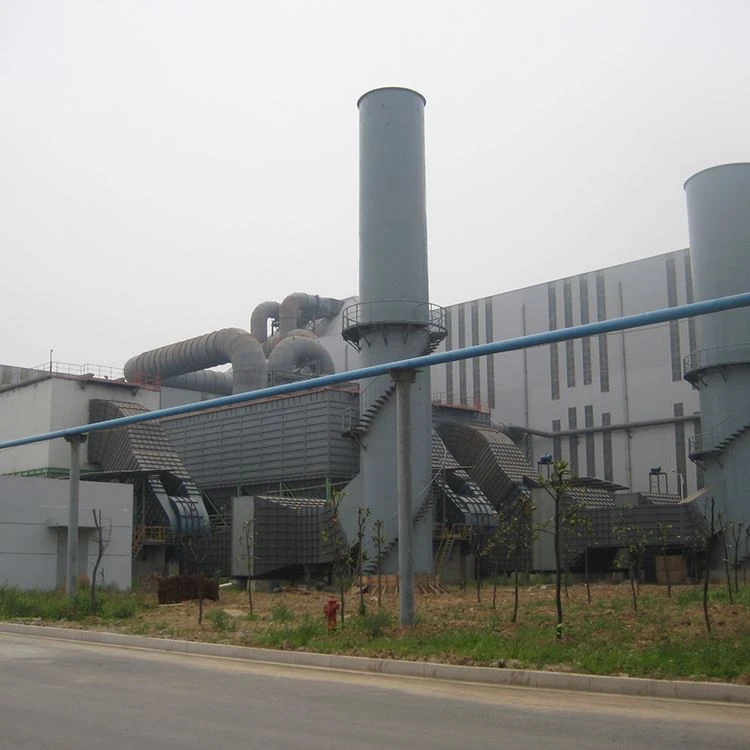

As a supplier of the Dust Cleaning System for Converters, we are committed to staying at the forefront of these technological advancements. We offer not only high - quality dust cleaning systems but also comprehensive solutions for remote control, including IoT platforms, sensors, and cybersecurity measures.
We also provide related products such as the Dust Cleaning System for EAFs and the Dust Cleaning System for Raw Materials. These products are designed to meet the diverse dust cleaning needs in the metallurgy industry.
If you are interested in our dust cleaning systems and the remote control solutions, we invite you to contact us for procurement and further discussion. We are ready to provide you with customized solutions based on your specific requirements.
References
- "Industrial Internet of Things: Technologies, Standards, and Use Cases" by Madhusudan Anand and others.
- "Automation and Control in Industrial Processes" by John Doe.
- "Cybersecurity in Industrial Control Systems" by Jane Smith.