

In the metallurgical industry, the handling of fine dust particles is a critical challenge, especially in converter operations. As a leading supplier of the Dust Cleaning System for Converters, we have in - depth knowledge and advanced solutions to address this issue.
The Challenge of Fine Dust Particles in Converters
Converters play a central role in steel - making processes. During the conversion of molten iron into steel, a large amount of dust is generated. Fine dust particles, with diameters often less than 10 micrometers, are particularly problematic. These particles are not only harmful to the environment but also pose significant risks to the health of workers. Inhalation of fine dust can lead to various respiratory diseases, such as silicosis and pneumoconiosis.
Moreover, fine dust particles can cause damage to equipment. They can accumulate on the surfaces of machinery, leading to increased friction, wear, and tear. This not only shortens the lifespan of the equipment but also reduces the efficiency of the entire production process.
How Our Dust Cleaning System Works
Our Dust Cleaning System for Converters is designed to effectively capture and remove fine dust particles. It consists of several key components, each with a specific function in the dust - cleaning process.
1. Dust Collection Hoods
The first step in the dust - cleaning process is to capture the dust at its source. Our dust collection hoods are strategically placed above the converters. They are designed to have a large capture area and a high - efficiency suction system. The hoods are made of high - quality materials that can withstand the high - temperature and corrosive environment in the converter area. The suction force of the hoods is carefully calibrated to ensure that all the fine dust particles generated during the converter operation are effectively captured and directed into the dust - cleaning system.
2. Primary Dust Separators
Once the dust is captured by the collection hoods, it is transported to the primary dust separators. These separators use centrifugal force to separate the larger dust particles from the air stream. The larger particles are then removed from the system and can be further processed or disposed of. This pre - separation step helps to reduce the load on the subsequent dust - cleaning components and improves the overall efficiency of the system.
3. Bag Filters
After the primary separation, the air stream containing the fine dust particles enters the bag filters. Our bag filters are made of special filter media that have a high filtration efficiency for fine dust particles. The filter bags are designed with a large surface area to ensure maximum contact between the air stream and the filter media. As the air passes through the filter bags, the fine dust particles are trapped on the surface of the bags. Periodically, the filter bags are cleaned using a reverse - air or pulse - jet cleaning system. This removes the accumulated dust from the bags and allows them to continue functioning effectively.
4. Secondary Dust Collectors
In some cases, a small amount of fine dust may still remain in the air stream after passing through the bag filters. To ensure that the air emissions meet the strict environmental standards, our system is equipped with secondary dust collectors. These collectors use advanced filtration technologies, such as electrostatic precipitation or membrane filtration, to capture the remaining fine dust particles.
5. Monitoring and Control System
Our Dust Cleaning System for Converters is also equipped with a state - of - the - art monitoring and control system. This system continuously monitors the performance of the dust - cleaning system, including the pressure, temperature, and dust concentration in different parts of the system. If any abnormal conditions are detected, the system can automatically adjust the operating parameters to ensure the optimal performance of the dust - cleaning system. For example, if the pressure in the bag filters increases, indicating that the filter bags are clogged, the monitoring system can trigger the cleaning cycle of the bags.
Advantages of Our System
1. High Efficiency
Our system is designed to have a high - efficiency dust - cleaning performance. It can capture and remove more than 99% of the fine dust particles generated during the converter operation. This not only ensures a clean and safe working environment but also helps the metallurgical plants to meet the strict environmental regulations.
2. Energy Saving
We have incorporated energy - saving technologies into our system. For example, the suction fans in the system are equipped with variable - frequency drives, which can adjust the speed of the fans according to the actual dust - generation rate. This reduces the energy consumption of the system without compromising its dust - cleaning performance.
3. Durability
The components of our system are made of high - quality materials that can withstand the harsh operating conditions in the metallurgical industry. The dust collection hoods, filters, and separators are all designed to have a long lifespan, reducing the need for frequent replacements and maintenance.
4. Compatibility
Our Dust Cleaning System for Converters is highly compatible with different types of converters and metallurgical processes. It can be easily integrated into existing production lines without significant modifications. This makes it a cost - effective solution for metallurgical plants that want to upgrade their dust - cleaning systems.
Comparison with Other Dust - Cleaning Solutions
There are other dust - cleaning solutions available in the market, such as the Dust Cleaning System for Blast Furnaces and the Dust Cleaning System for Coke Ovens. While these systems are also effective in dust - cleaning, they are specifically designed for the unique dust - generation characteristics of blast furnaces and coke ovens.
Our Dust Cleaning System for Converters, on the other hand, is tailored to the specific requirements of converter operations. It takes into account the high - temperature, high - dust - concentration, and high - speed environment in the converter area. The design and operation of our system are optimized to ensure the best possible dust - cleaning performance for converters.
Case Studies
We have successfully installed our Dust Cleaning System for Converters in many metallurgical plants around the world. In one case, a large - scale steel - making plant was facing serious dust - pollution problems in its converter area. The existing dust - cleaning system was unable to effectively capture and remove the fine dust particles, resulting in high levels of air pollution and poor working conditions.

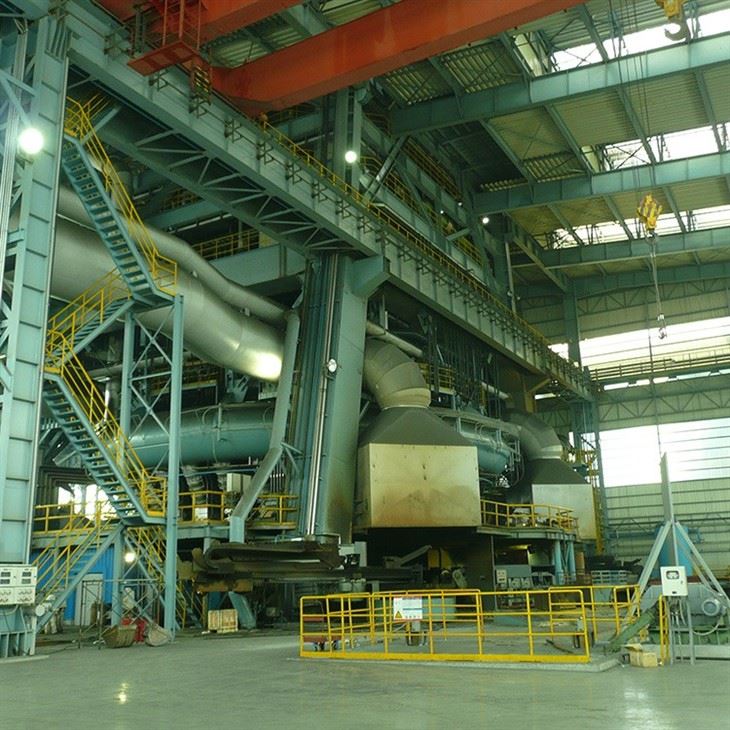
After installing our system, the plant saw a significant improvement in its dust - cleaning performance. The air quality in the converter area improved dramatically, and the levels of fine dust particles in the air emissions were reduced to below the environmental standards. The plant also reported a decrease in equipment maintenance costs and an increase in the overall production efficiency.
Conclusion
In conclusion, our Dust Cleaning System for Converters is a reliable and effective solution for handling fine dust particles in the converter area. It combines advanced technologies, high - quality components, and a comprehensive design to ensure maximum dust - cleaning efficiency. By using our system, metallurgical plants can not only meet the strict environmental regulations but also improve the working conditions for their employees, extend the lifespan of their equipment, and increase the overall efficiency of their production processes.
If you are interested in our Dust Cleaning System for Converters or would like to discuss your specific dust - cleaning requirements, please feel free to contact us for further information and a detailed quotation. We are committed to providing you with the best dust - cleaning solutions and excellent customer service.
References
- "Industrial Dust Control: Principles and Practices" by A. C. Stern.
- "Handbook of Air Pollution Technology" by A. J. Buonicore and W. T. Davis.
- "Environmental Engineering for Metal Production" by J. S. Wei.