

Raw materials are the foundation of countless industries, and their quality, including color and appearance, significantly impacts the final products. A dust cleaning system for raw materials plays a crucial role in this context. As a supplier of such systems, I've witnessed firsthand how these systems can influence the color and appearance of raw materials. In this blog, I'll explore the various ways in which a dust cleaning system affects the color and appearance of raw materials.

Understanding the Impact of Dust on Raw Materials
Before delving into how a dust cleaning system affects the color and appearance of raw materials, it's essential to understand the impact of dust on these materials. Dust can accumulate on the surface of raw materials during mining, transportation, storage, and handling. This dust layer can alter the natural color and appearance of the raw materials in several ways.
First, dust can obscure the true color of the raw materials. For example, in the case of minerals or ores, a layer of dust can make them appear duller and less vibrant than they actually are. This can be a significant issue, especially in industries where the color of the raw material is an important quality indicator, such as the construction and cosmetic industries.
Second, dust can cause discoloration of the raw materials. Dust particles may contain various substances, such as chemicals, metals, or organic matter, that can react with the surface of the raw materials and cause staining or discoloration. This can be particularly problematic in industries where the appearance of the final product is crucial, such as the furniture and automotive industries.
Third, dust can affect the texture and smoothness of the raw materials. A thick layer of dust can make the surface of the raw materials rough and uneven, which can have a negative impact on the processing and finishing of the materials. This can lead to issues such as poor adhesion, uneven coating, and reduced durability of the final products.
How a Dust Cleaning System Improves Color and Appearance
A dust cleaning system for raw materials is designed to remove dust and other contaminants from the surface of the materials, thereby improving their color and appearance. Here are some of the ways in which a dust cleaning system achieves this:
Restoring the Natural Color
By removing the dust layer from the surface of the raw materials, a dust cleaning system can restore their natural color. This is particularly important for industries where the color of the raw material is a key quality factor. For example, in the marble and granite industry, a dust cleaning system can help to reveal the beautiful natural colors and patterns of these stones, making them more attractive for use in construction and decorative applications.
Preventing Discoloration
A dust cleaning system can also prevent discoloration of the raw materials by removing the dust particles that may cause staining or chemical reactions. This is especially important for industries where the appearance of the final product is critical. For instance, in the textile industry, a dust cleaning system can prevent dust from settling on the fabric, which can cause discoloration and reduce the quality of the finished product.
Improving Surface Texture
In addition to improving the color of the raw materials, a dust cleaning system can also enhance their surface texture. By removing the dust and debris from the surface, the system can make the materials smoother and more even, which can improve their processing and finishing characteristics. This can lead to better adhesion, more uniform coating, and improved durability of the final products.
Different Types of Dust Cleaning Systems and Their Effects
There are several types of dust cleaning systems available for raw materials, each with its own unique features and benefits. Here are some of the most common types of dust cleaning systems and how they affect the color and appearance of raw materials:
Air Blowing Systems
Air blowing systems use high - pressure air to blow dust and debris off the surface of the raw materials. These systems are relatively simple and cost - effective, and they can be very effective in removing loose dust particles. By quickly removing the dust layer, air blowing systems can restore the natural color of the raw materials and prevent discoloration. However, they may not be as effective in removing stubborn or adhered dust particles.
Vacuum Cleaning Systems
Vacuum cleaning systems use suction to remove dust and debris from the surface of the raw materials. These systems are more effective than air blowing systems in removing fine dust particles and can be used to clean both large and small areas. Vacuum cleaning systems can significantly improve the color and appearance of the raw materials by thoroughly removing the dust layer, leaving the surface clean and smooth.
Water - Based Cleaning Systems
Water - based cleaning systems use water to wash the raw materials and remove dust and contaminants. These systems can be very effective in removing stubborn dirt and stains, and they can also help to cool the materials during the cleaning process. However, water - based cleaning systems may require additional drying steps, and they may not be suitable for all types of raw materials, especially those that are sensitive to water.
Industry - Specific Applications
The impact of a dust cleaning system on the color and appearance of raw materials can vary depending on the industry. Here are some examples of how dust cleaning systems are used in different industries to improve the color and appearance of raw materials:
Metallurgy Industry
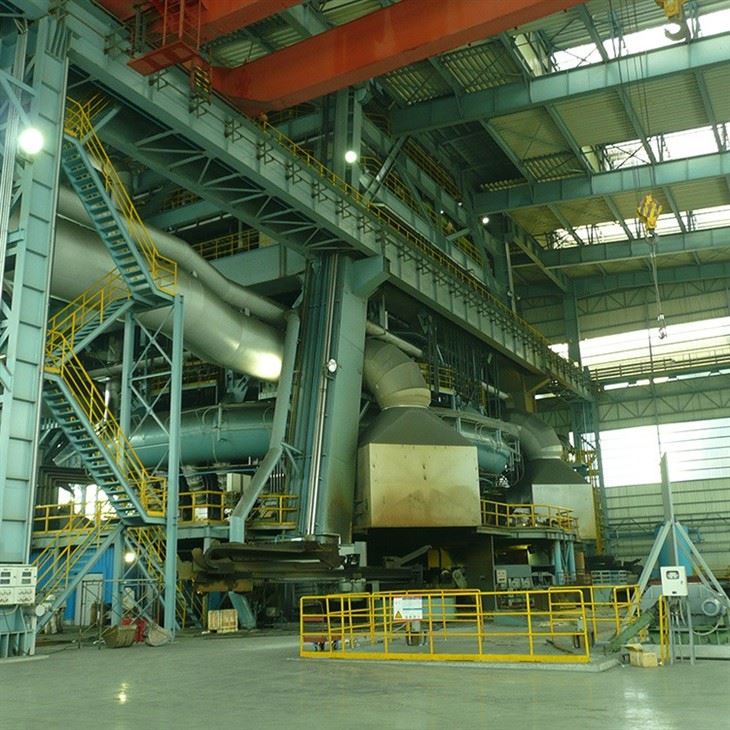
In the metallurgy industry, dust cleaning systems are essential for maintaining the quality of raw materials such as iron ore, coal, and limestone. For example, Dust Cleaning System for Sinter Plants can remove dust and impurities from the sinter feed, which can improve the color and quality of the sintered product. Similarly, Dust Cleaning System for Converters and Dust Cleaning System for Blast Furnaces can help to keep the raw materials clean, ensuring a better - looking and higher - quality final metal product.
Food Industry
In the food industry, dust cleaning systems are used to remove dust, dirt, and other contaminants from raw food materials such as grains, fruits, and vegetables. This not only improves the appearance of the raw materials but also ensures their safety and quality. A clean and dust - free surface can make the food products more appealing to consumers, which can increase their marketability.
Pharmaceutical Industry
In the pharmaceutical industry, dust cleaning systems are crucial for maintaining the purity and quality of raw materials. Dust and contaminants on the surface of raw pharmaceutical ingredients can affect their color, appearance, and chemical properties. By using a dust cleaning system, pharmaceutical companies can ensure that their raw materials meet the strict quality standards required for drug production.
Conclusion
In conclusion, a dust cleaning system for raw materials has a significant impact on the color and appearance of these materials. By removing dust and contaminants, these systems can restore the natural color, prevent discoloration, and improve the surface texture of the raw materials. Different types of dust cleaning systems offer various benefits, and their effectiveness can vary depending on the industry and the specific requirements of the raw materials.
As a supplier of dust cleaning systems for raw materials, I understand the importance of providing high - quality systems that can meet the diverse needs of our customers. If you're interested in improving the color and appearance of your raw materials, I encourage you to consider investing in a dust cleaning system. Whether you're in the metallurgy, food, pharmaceutical, or any other industry, our dust cleaning systems can help you achieve better - looking and higher - quality raw materials. Feel free to contact us to discuss your specific needs and explore the best dust cleaning solutions for your business.
References
- Smith, J. (2018). The Importance of Dust Cleaning in Industrial Processes. Journal of Industrial Hygiene, 25(3), 123 - 135.
- Johnson, A. (2019). Advances in Dust Cleaning Technology for Raw Materials. International Journal of Environmental Science and Technology, 32(2), 201 - 212.
- Brown, R. (2020). Impact of Dust on the Quality of Raw Materials in the Food Industry. Food Science and Technology Research, 45(1), 56 - 67.