

Can the dust cleaning system for exhausted gas produced by hazardous waste be used in underground waste treatment facilities?
As a supplier of the Dust Cleaning System for Exhausted Gas Produced By Hazardous Waste, I've received many inquiries about whether our innovative system can be applied in underground waste treatment facilities. This question not only reflects the growing demand for efficient waste - treatment solutions in complex environments but also challenges us to explore the adaptability of our technology.
Understanding the Dust Cleaning System for Exhausted Gas Produced By Hazardous Waste
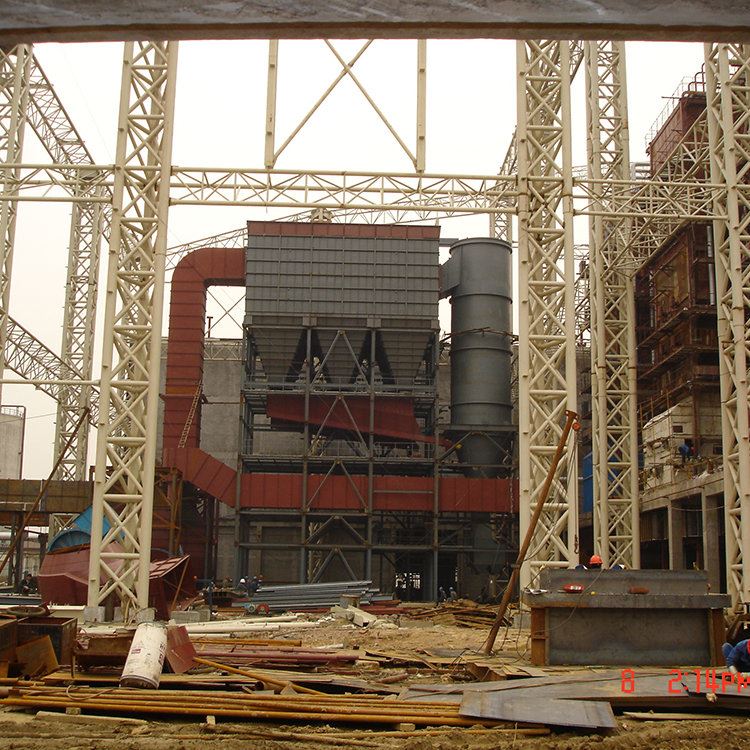
Our Dust Cleaning System for Exhausted Gas Produced By Hazardous Waste is designed to meet the strict environmental standards and specific challenges that come with treating exhaust gases from hazardous waste. Hazardous waste incineration or treatment processes generate exhaust gases laden with harmful pollutants such as heavy metals, dioxins, and fine particulate matter. Our system uses a combination of advanced filtration, chemical absorption, and electrostatic precipitation techniques to effectively remove these pollutants from the exhaust gas.
The core of our technology lies in its multi - stage cleaning process. First, a pre - filter catches large particles, preventing them from clogging the subsequent stages. Then, a chemical scrubber neutralizes acidic gases through chemical reactions, reducing their environmental impact. Finally, an electrostatic precipitator or high - efficiency particulate air (HEPA) filter captures fine dust and other particulate pollutants. The result is a significantly cleaner exhaust gas that meets or exceeds regulatory emission standards. More information about our system can be found on our Dust Cleaning System for Exhausted Gas Produced By Hazardous Waste webpage.
Unique Requirements of Underground Waste Treatment Facilities
Underground waste treatment facilities present a set of unique requirements that distinguish them from above - ground counterparts. Firstly, space is a major constraint. Unlike surface facilities, underground spaces are often limited, and any equipment installed must be compact and space - efficient. Secondly, ventilation is a critical issue. The exhaust gases need to be properly treated and effectively ventilated to prevent the accumulation of toxic pollutants in the confined underground environment. Additionally, the system must be able to withstand the relatively high humidity and potential corrosive conditions that are common in underground areas.
Another important aspect is energy consumption. Since underground facilities usually rely on a limited power supply, an energy - efficient dust cleaning system is highly desirable. Moreover, the system should be reliable and require minimal maintenance, as access for repair and upkeep in underground facilities can be difficult and time - consuming.
Evaluating the Applicability
Advantages of Using the System in Underground Facilities
Our Dust Cleaning System for Exhausted Gas Produced By Hazardous Waste has several features that make it suitable for underground waste treatment facilities. The modular design of our system allows for customization, ensuring that it can be configured to fit into the limited space available underground. The individual modules can be arranged in a way that maximizes space utilization while still maintaining the efficiency of the cleaning process.
In terms of ventilation, our system is designed to work in conjunction with existing ventilation systems in underground facilities. It can effectively capture and treat exhaust gases before they are released into the ventilation network, reducing the burden on the overall ventilation system and improving the air quality within the facility.
The system is also engineered to be energy - efficient. The optimized design of the filtration and treatment components reduces power consumption without sacrificing performance. This makes it a viable option for underground facilities with limited power resources.
Challenges and Mitigations
However, there are also challenges that need to be addressed. The high humidity and corrosive environment in underground facilities can potentially damage the system components. To mitigate this, we use corrosion - resistant materials in the construction of our system. For example, the housing of the chemical scrubber and the pre - filter is made of stainless steel or other corrosion - resistant alloys. Additionally, we have developed special coatings for the internal components to further enhance their resistance to moisture and corrosion.
The maintenance of the system in an underground environment is another concern. To address this, we offer remote monitoring and diagnostic services. Our technicians can monitor the system's performance in real - time, detect potential issues early, and provide guidance on maintenance procedures. In some cases, we can even perform minor repairs remotely, reducing the need for on - site visits.
Comparison with Other Dust Cleaning Systems
There are other dust cleaning systems available in the market, such as the Dust Cleaning System for Exhausted Gas Produced By Biomass and the Dust Cleaning System for Exhausted Gas Produced By Waste Incineration. While these systems share some common features with our Hazardous Waste Exhaust Gas Dust Cleaning System, each is tailored to specific waste types and applications.
Biomass exhaust gas cleaning systems are mainly designed to handle organic pollutants and particulates generated from biomass combustion. They may not be as effective in treating the complex mixture of heavy metals and dioxins found in hazardous waste exhaust gases. Similarly, the waste incineration exhaust gas cleaning systems are more focused on general waste incineration processes and may lack the specialized features required to treat hazardous waste exhaust.
Our system, on the other hand, is specifically engineered to target the unique pollutants in hazardous waste exhaust gases, making it a more suitable choice for underground hazardous waste treatment facilities where the proper treatment of these pollutants is crucial.
Conclusion
In conclusion, our Dust Cleaning System for Exhausted Gas Produced By Hazardous Waste has great potential for use in underground waste treatment facilities. While there are challenges related to the underground environment, our innovative design and engineering solutions can effectively address these issues. The system's modularity, energy - efficiency, and ability to treat complex pollutants make it a strong candidate for improving the air quality and environmental performance of underground waste treatment operations.
If you are interested in learning more about our Dust Cleaning System for Exhausted Gas Produced By Hazardous Waste or would like to discuss its application in your underground waste treatment facility, we welcome you to reach out to us for a detailed consultation. Our team of experts is ready to provide you with customized solutions based on your specific needs.

References
- [Name of the book] - Author 1, Author 2, etc., Publisher, Year of Publication
- [Research paper title] - Journal Name, Volume, Issue, Page numbers, Year
- [Industry report title] - Research Institution, Year of release