

As a supplier specializing in the Dust Cleaning System for Exhausted Gas Produced By Biomass, I've witnessed firsthand the critical role these systems play in environmental protection and industrial efficiency. Biomass energy is a renewable and sustainable source, but the exhausted gas it produces contains various pollutants such as dust, particulate matter, and harmful gases. Selecting the most efficient dust cleaning system is essential for ensuring compliance with environmental regulations and maintaining the smooth operation of biomass - related facilities.
Understanding Biomass Exhausted Gas
Biomass combustion or gasification processes generate exhausted gas with unique characteristics. The composition of this gas depends on the type of biomass used, the combustion or gasification technology, and the operating conditions. Generally, it contains a significant amount of dust particles, which can range in size from fine sub - micron particles to larger ones. These dust particles can cause air pollution, damage equipment, and pose health risks to workers and the surrounding community.
Types of Dust Cleaning Systems
Cyclone Separators
Cyclone separators are one of the most basic and widely used dust cleaning systems. They work on the principle of centrifugal force. The exhausted gas enters the cyclone at a high velocity, and the swirling motion causes the heavier dust particles to be thrown towards the walls of the cyclone and then collected at the bottom. Cyclone separators are relatively simple in design, low in cost, and have low maintenance requirements. However, they are less effective in capturing fine dust particles. Their efficiency typically ranges from 50% - 90% depending on the particle size distribution and the design of the cyclone. For biomass - exhausted gas, cyclone separators can be used as a pre - cleaning step to remove larger dust particles before the gas enters a more advanced cleaning system. You can learn more about general dust cleaning systems at Dust Cleaning System for Exhausted Gas Produced By Waste Incineration.
Bag Filters
Bag filters are highly efficient in capturing fine dust particles. The exhausted gas passes through a series of fabric bags, and the dust particles are trapped on the surface of the bags. Over time, a dust cake forms on the bags, which further enhances the filtration efficiency. Periodically, the bags are cleaned by methods such as reverse air flow or pulse - jet cleaning to remove the accumulated dust. Bag filters can achieve a dust removal efficiency of over 99%. They are suitable for biomass - exhausted gas as they can handle a wide range of particle sizes and gas flow rates. However, they require regular maintenance, including bag replacement, and are sensitive to high - temperature and high - humidity conditions. Our Dust Cleaning System for Exhausted Gas Produced By Biomass offers advanced bag filter technology to ensure optimal performance.
Electrostatic Precipitators (ESPs)
Electrostatic precipitators use electrostatic forces to remove dust particles from the gas stream. The gas passes through a series of charged plates or wires, where the dust particles become charged and are then attracted to the oppositely charged collection plates. ESPs are very efficient in removing fine dust particles, especially those in the sub - micron range. They can achieve a dust removal efficiency of up to 99.9%. ESPs have low pressure drop, which means they consume less energy compared to some other systems. However, they are expensive to install and require a stable power supply. They are also sensitive to changes in gas composition and temperature. For more information on high - end dust cleaning solutions, you can refer to Dust Cleaning System for Exhausted Gas Produced By Hazardous Waste.
Wet Scrubbers
Wet scrubbers use a liquid (usually water) to remove dust particles and some gaseous pollutants from the exhausted gas. The gas is brought into contact with the liquid, and the dust particles are captured by the liquid droplets through mechanisms such as impaction, interception, and diffusion. Wet scrubbers can also remove some soluble gaseous pollutants. They are effective in handling high - temperature and high - dust - loading gases. However, they generate wastewater that needs to be treated, and they have a relatively high operating cost due to the consumption of water and energy for pumping.
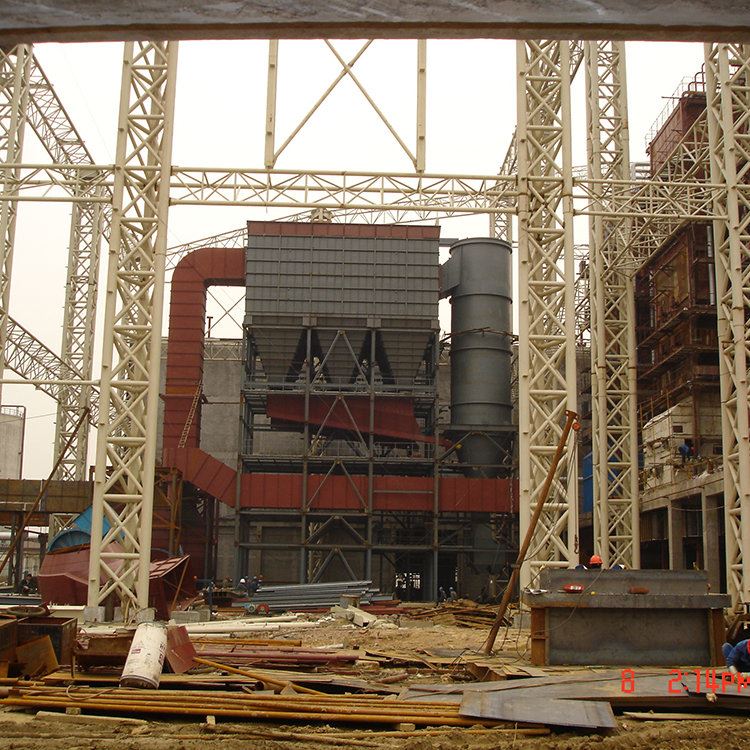

Determining the Most Efficient System
The most efficient dust cleaning system for biomass - exhausted gas depends on several factors:
Particle Size Distribution
If the biomass - exhausted gas contains a large proportion of fine dust particles, bag filters or electrostatic precipitators are more suitable. Cyclone separators are better for larger particles. For example, in a biomass power plant where the combustion process produces a significant amount of fine ash, a bag filter or ESP would be a better choice to meet strict environmental standards.
Gas Flow Rate and Volume
High - flow - rate applications may require systems with low pressure drop, such as electrostatic precipitators or wet scrubbers. Bag filters can also handle large gas volumes, but they may require a larger number of bags or a more complex design.
Operating Conditions
High - temperature and high - humidity conditions can affect the performance of some systems. For instance, bag filters may require special heat - resistant and moisture - resistant fabrics in such conditions. Electrostatic precipitators need to be designed to operate stably under different temperature and gas composition conditions.
Cost Considerations
Cost is an important factor in any industrial decision. Cyclone separators are the most cost - effective in terms of initial investment and maintenance. Bag filters have a moderate cost, while electrostatic precipitators and wet scrubbers are more expensive to install and operate. However, the long - term cost savings in terms of environmental compliance and equipment protection should also be considered.
Our Expertise as a Supplier
As a leading supplier of Dust Cleaning System for Exhausted Gas Produced By Biomass, we have the expertise to design and manufacture customized dust cleaning solutions. Our team of engineers can conduct a detailed analysis of your biomass - exhausted gas characteristics, including particle size distribution, gas flow rate, and operating conditions. We can then recommend the most suitable dust cleaning system based on your specific requirements and budget.
We offer a wide range of products, from cyclone separators for pre - cleaning to advanced bag filters and electrostatic precipitators for high - efficiency dust removal. Our systems are designed to be reliable, energy - efficient, and easy to maintain. We also provide comprehensive after - sales service, including installation, commissioning, and technical support.
Contact Us for Purchase and Negotiation
If you are looking for an efficient dust cleaning system for your biomass - related facility, we invite you to contact us for a detailed consultation. Our sales team will be happy to discuss your needs, provide you with a customized solution, and offer competitive pricing. We believe that our products and services can help you achieve your environmental and operational goals. Don't hesitate to reach out and start the negotiation process to find the best dust cleaning system for your biomass - exhausted gas.
References
- Brown, R. C. (2014). Handbook of Biomass Downdraft Gasifier Engine Systems. Routledge.
- Clements, C. B. (2000). Air Pollution Control: A Design Approach. Prentice Hall.
- Perry, R. H., & Green, D. W. (1997). Perry's Chemical Engineers' Handbook. McGraw - Hill.