

As a supplier of Dust Cleaning System For Waste Incineration Industry, I've delved deep into the intricate relationship between dust cleaning systems and waste incineration plants' emergency response. In this blog, I'll share insights based on my experiences and industry knowledge, highlighting how our dust cleaning systems play a crucial role in emergency situations at waste incineration plants.
The Basics of Waste Incineration and Dust Cleaning Systems
Waste incineration is a common method for disposing of various types of waste, including municipal solid waste, biomass, and hazardous waste. During the incineration process, a significant amount of exhaust gas is produced, which contains harmful pollutants such as dust particles, heavy metals, and dioxins. These pollutants can have a detrimental impact on the environment and human health if not properly treated.
That's where dust cleaning systems come in. Our Dust Cleaning System for Exhausted Gas Produced By Waste Incineration is designed to effectively remove dust and other pollutants from the exhaust gas, ensuring that the emissions meet environmental standards. By capturing and removing these pollutants, the dust cleaning system helps to protect the environment and prevent air pollution.

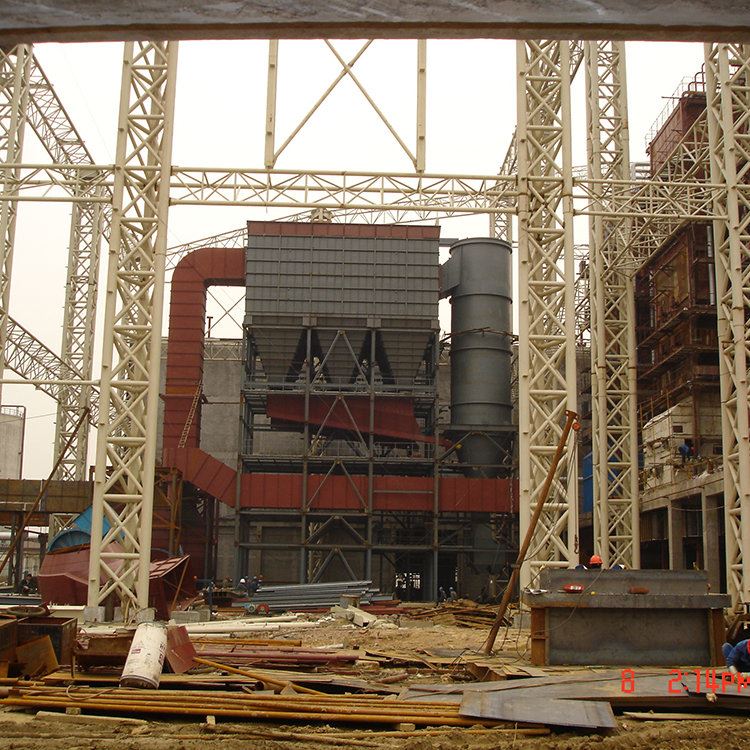
Emergency Response in Waste Incineration Plants
Waste incineration plants are complex facilities that are subject to various potential emergencies, such as equipment failures, fires, and natural disasters. In the event of an emergency, it's crucial for the plant to have an effective emergency response plan in place to minimize the impact on the environment and human health.
One of the key aspects of emergency response in waste incineration plants is the management of exhaust gas emissions. During an emergency, the incineration process may be disrupted, leading to an increase in the concentration of pollutants in the exhaust gas. If the dust cleaning system is not functioning properly, these pollutants can be released into the atmosphere, causing significant environmental damage.
The Role of Dust Cleaning Systems in Emergency Response
Our dust cleaning systems play a vital role in waste incineration plants' emergency response. Here's how:
1. Continuous Operation
In the event of an emergency, our dust cleaning systems are designed to continue operating, even if the incineration process is disrupted. This ensures that the exhaust gas is still being treated, minimizing the release of pollutants into the atmosphere. Our systems are equipped with backup power supplies and redundant components to ensure reliable operation during emergencies.
2. Quick Response
Our dust cleaning systems are capable of quickly responding to changes in the exhaust gas composition and flow rate. During an emergency, the incineration process may produce a sudden increase in the concentration of pollutants, and our systems can adjust their operation accordingly to maintain effective pollutant removal. This helps to prevent a spike in emissions and reduces the environmental impact of the emergency.
3. Emergency Shutdown
In some cases, it may be necessary to shut down the incineration process during an emergency. Our dust cleaning systems are designed to handle the shutdown process safely and efficiently. They can continue to operate for a short period after the incineration process has stopped, ensuring that any remaining pollutants in the exhaust gas are removed before the system is shut down completely.
4. Compatibility with Emergency Response Plans
Our dust cleaning systems are designed to be compatible with waste incineration plants' emergency response plans. We work closely with our customers to understand their specific emergency response requirements and customize our systems accordingly. This ensures that our systems can be integrated seamlessly into the plant's emergency response procedures, providing effective support during emergencies.
Different Types of Dust Cleaning Systems for Specific Waste Types
In addition to our general Dust Cleaning System for Exhausted Gas Produced By Waste Incineration, we also offer specialized dust cleaning systems for different types of waste, such as biomass and hazardous waste.
Dust Cleaning System for Exhausted Gas Produced By Biomass
Biomass incineration produces exhaust gas with unique characteristics, such as a high concentration of particulate matter and organic compounds. Our dust cleaning system for biomass is specifically designed to handle these challenges, ensuring effective pollutant removal and compliance with environmental regulations.
Dust Cleaning System for Exhausted Gas Produced By Hazardous Waste
Hazardous waste incineration requires a high level of safety and environmental protection. Our dust cleaning system for hazardous waste is designed to meet the strictest regulatory requirements, ensuring the safe and effective treatment of exhaust gas containing hazardous pollutants.
Conclusion
In conclusion, the relationship between dust cleaning systems and waste incineration plants' emergency response is crucial. Our dust cleaning systems play a vital role in ensuring the continuous operation, quick response, and safe shutdown of waste incineration plants during emergencies. By effectively removing pollutants from the exhaust gas, our systems help to minimize the environmental impact of emergencies and protect the health of nearby communities.
If you're a waste incineration plant operator or involved in the waste management industry, I encourage you to consider our dust cleaning systems for your facility. Our systems are designed to provide reliable and effective pollutant removal, even in the most challenging emergency situations. Contact us today to learn more about our products and how they can support your waste incineration plant's emergency response.
References
- Environmental Protection Agency. (2023). Waste Incineration and Air Quality.
- International Solid Waste Association. (2023). Best Practices for Waste Incineration Plant Emergency Response.
- World Health Organization. (2023). Air Quality Guidelines.