

The efficiency of a dust cleaning system for exhausted gas produced by biomass is a critical factor in ensuring environmental compliance, equipment longevity, and overall operational effectiveness in biomass - related industries. As a supplier of Dust Cleaning System for Exhausted Gas Produced By Biomass, I have witnessed firsthand the importance of high - efficiency dust cleaning in this sector.
Understanding Biomass Exhaust Gas
Biomass refers to organic materials such as wood chips, agricultural residues, and dedicated energy crops that are burned to generate heat, electricity, or both. When biomass is combusted, the exhaust gas produced contains a variety of pollutants, including particulate matter (PM), sulfur dioxide (SO₂), nitrogen oxides (NOₓ), and volatile organic compounds (VOCs). Among these, particulate matter is a major concern due to its potential impact on air quality and human health.
Particulate matter in biomass exhaust gas can range in size from large visible particles to fine, respirable particles. These particles can cause respiratory problems, reduce visibility, and deposit on surfaces, leading to corrosion and damage to equipment. Therefore, an effective dust cleaning system is essential to remove these particles from the exhaust gas before it is released into the atmosphere.
Factors Affecting the Efficiency of Dust Cleaning Systems
1. Particle Size Distribution
The size of the particles in the biomass exhaust gas significantly affects the efficiency of the dust cleaning system. Different types of dust cleaning systems are more effective at capturing particles of specific sizes. For example, cyclone separators are better at removing larger particles, while bag filters and electrostatic precipitators are more efficient at capturing fine particles. A comprehensive dust cleaning system may need to combine multiple technologies to effectively remove particles across a wide size range.
2. Gas Flow Rate and Volume
The flow rate and volume of the exhaust gas also play a crucial role in the efficiency of the dust cleaning system. High - flow rates can reduce the residence time of the gas in the cleaning system, making it more difficult for the system to capture particles. On the other hand, a system that is not designed to handle the large volume of exhaust gas produced by a biomass combustion process may become overloaded, leading to reduced efficiency and potential system failure. Therefore, it is essential to accurately calculate the gas flow rate and volume and select a dust cleaning system that can handle these parameters.
3. Temperature and Humidity
The temperature and humidity of the biomass exhaust gas can impact the performance of the dust cleaning system. High temperatures can cause some filter materials to degrade, reducing their effectiveness. Humidity can also affect the behavior of the particles, causing them to agglomerate or stick to surfaces. Additionally, in some cases, high humidity can lead to corrosion of the equipment. Therefore, the dust cleaning system must be designed to operate under the specific temperature and humidity conditions of the biomass exhaust gas.
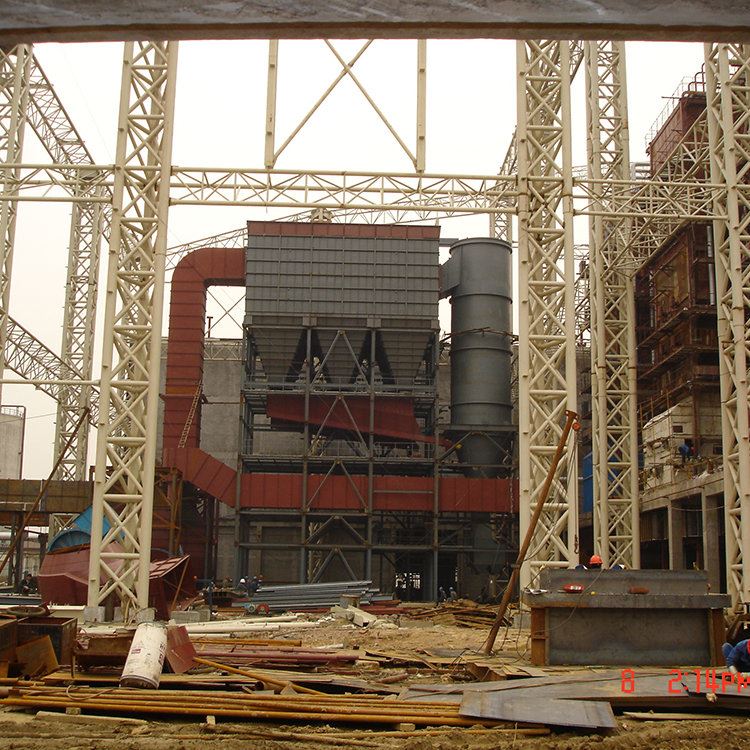

4. System Design and Maintenance
The design of the dust cleaning system, including the layout of the components, the selection of materials, and the control mechanisms, can significantly affect its efficiency. A well - designed system will ensure proper gas flow distribution, minimize pressure drops, and provide easy access for maintenance. Regular maintenance, such as filter replacement, cleaning of components, and inspection of the system, is also essential to keep the system operating at peak efficiency.
Measuring the Efficiency of Dust Cleaning Systems
The efficiency of a dust cleaning system is typically measured by the removal efficiency, which is the percentage of particulate matter removed from the exhaust gas. This can be calculated by comparing the concentration of particulate matter in the inlet gas (before entering the cleaning system) to the concentration in the outlet gas (after passing through the cleaning system).
Another important metric is the emission concentration, which is the amount of particulate matter released into the atmosphere per unit volume of exhaust gas. This metric is often regulated by environmental agencies, and compliance with these regulations is a key consideration for biomass combustion facilities.
Types of Dust Cleaning Systems for Biomass Exhaust Gas
1. Cyclone Separators
Cyclone separators are simple and cost - effective dust cleaning devices that use centrifugal force to separate particles from the gas stream. They are particularly effective at removing larger particles (typically greater than 10 microns in diameter). However, their efficiency decreases for smaller particles. Cyclone separators are often used as a pre - cleaning step in a multi - stage dust cleaning system. Learn more about Dust Cleaning System for Exhausted Gas Produced By Hazardous Waste
2. Bag Filters
Bag filters are one of the most commonly used dust cleaning systems for biomass exhaust gas. They consist of a series of fabric bags that trap particles as the gas passes through them. Bag filters are highly effective at capturing fine particles, with removal efficiencies of up to 99% or more. However, they require regular maintenance, such as bag replacement, to ensure optimal performance.
3. Electrostatic Precipitators
Electrostatic precipitators use an electrostatic charge to attract and collect particles from the gas stream. They are very efficient at capturing fine particles and can handle high - volume gas flows. Electrostatic precipitators are often used in large - scale biomass combustion facilities. However, they are relatively expensive to install and operate, and require skilled maintenance. Explore Dust Cleaning System for Exhausted Gas Produced By Waste Incineration
4. Wet Scrubbers
Wet scrubbers use a liquid (usually water) to remove particles from the gas stream. They can also remove other pollutants such as SO₂ and VOCs. Wet scrubbers are effective at capturing a wide range of particle sizes, but they can generate wastewater that requires treatment. Additionally, they may have higher operating costs due to the energy required to pump the liquid.
The Role of Our Dust Cleaning System for Exhausted Gas Produced By Biomass
As a supplier of Dust Cleaning System for Exhausted Gas Produced By Biomass, we offer a comprehensive range of solutions tailored to the specific needs of biomass combustion facilities. Our systems are designed to achieve high removal efficiencies, comply with environmental regulations, and operate reliably under various conditions.
We use advanced technologies and high - quality materials to ensure the long - term performance of our dust cleaning systems. Our engineers work closely with customers to understand their requirements, including gas flow rate, particle size distribution, temperature, and humidity. Based on this information, we design and customize a dust cleaning system that is optimized for their specific application.
In addition to providing high - quality products, we also offer excellent after - sales service, including installation, commissioning, maintenance, and technical support. Our goal is to help our customers achieve efficient and sustainable biomass combustion operations by providing them with the best dust cleaning solutions. Discover our Dust Cleaning System for Exhausted Gas Produced By Biomass
Conclusion
The efficiency of the dust cleaning system for exhausted gas produced by biomass is of utmost importance for environmental protection, equipment protection, and regulatory compliance. By understanding the factors that affect the efficiency of these systems and selecting the appropriate technology, biomass combustion facilities can effectively remove particulate matter from their exhaust gas.
As a leading supplier in this field, we are committed to providing high - efficiency dust cleaning solutions for biomass exhaust gas. If you are looking for a reliable and effective dust cleaning system for your biomass combustion facility, we invite you to contact us for a consultation and discuss your specific needs. Our team of experts will work with you to find the best solution for your operation.
References
- Brown, R. C. (2014). Handbook of Biomass Downdraft Gasifier Engine Systems. Taylor & Francis.
- Ni, M., Leung, M. K. H., & Leung, D. Y. C. (2006). An overview of the current and future issues in biomass gasification. Renewable and Sustainable Energy Reviews, 10(4), 389 - 431.
- USEPA. (2018). Control Techniques for Particulate Matter Emissions from Stationary Sources. U.S. Environmental Protection Agency.