

Waste incineration has become an important method for waste management in many regions around the world. It helps reduce the volume of waste and can even generate energy in some cases. However, waste incineration also produces exhaust gases that contain various pollutants, including dust. A dust cleaning system is crucial for ensuring that the exhaust gases meet environmental standards. As a supplier of Dust Cleaning System For Waste Incineration Industry, I've witnessed firsthand how waste composition can significantly impact the performance of these systems.
The Basics of Dust Cleaning Systems in Waste Incineration
Before delving into the effects of waste composition, it's essential to understand the basic principles of dust cleaning systems used in the waste incineration industry. These systems are designed to remove particulate matter from the exhaust gases produced during the incineration process. There are several types of dust cleaning systems, such as bag filters, electrostatic precipitators, and cyclone separators. Each type has its own advantages and limitations, but they all aim to achieve high - efficiency dust removal.
Bag filters work by passing the exhaust gas through fabric bags. The dust particles are trapped on the surface of the bags, and clean gas passes through. Electrostatic precipitators use an electrostatic field to charge the dust particles and then collect them on charged plates. Cyclone separators rely on centrifugal force to separate the dust from the gas stream.
Impact of Waste Composition on Dust Characteristics
The composition of waste can vary widely depending on its source. Municipal solid waste, for example, may contain a mixture of organic materials, plastics, paper, and metals. Industrial waste can have a more complex and diverse composition, including hazardous substances. Biomass waste, on the other hand, mainly consists of organic plant materials.
The waste composition directly affects the characteristics of the dust produced during incineration. For instance, if the waste contains a high proportion of plastics, the dust may have a higher content of fine particles and may also contain harmful substances such as dioxins and furans. These fine particles can be more difficult to capture in a dust cleaning system, as they are more likely to pass through the filtration media or escape the collection mechanisms of electrostatic precipitators.
When waste has a high content of metals, the dust may have a higher density and different electrical properties. This can affect the performance of electrostatic precipitators, as the charging and collection efficiency of the plates may be influenced by the electrical conductivity and size of the metal - containing dust particles.
Influence on Dust Cleaning System Efficiency
The characteristics of the dust, which are determined by waste composition, have a direct impact on the efficiency of dust cleaning systems.
Bag Filters
In bag filters, waste composition can affect the filtration efficiency and the lifespan of the bags. If the dust contains a large amount of sticky or fibrous materials, it can cause the bags to clog more quickly. For example, when incinerating biomass waste with a high content of lignin and cellulose fibers, these fibers can entangle on the surface of the bags, reducing the airflow and increasing the pressure drop across the filter. This not only decreases the overall efficiency of the dust cleaning system but also requires more frequent bag replacement, increasing the operating costs.
On the other hand, if the dust is highly abrasive, such as when incinerating waste with a significant amount of sand or metal particles, it can cause physical damage to the bag material. This abrasion can lead to holes in the bags, allowing dust to pass through and reducing the dust removal efficiency.
Electrostatic Precipitators
The performance of electrostatic precipitators is highly dependent on the electrical properties of the dust. Waste composition can alter these properties. For example, if the waste contains a large amount of insulating materials, the dust particles may not be charged effectively in the electrostatic field. This results in poor collection efficiency, as the uncharged or weakly charged particles are less likely to be attracted to the collection plates.
Moreover, the presence of certain chemicals in the waste can cause corrosion of the electrodes in the electrostatic precipitator. For instance, if the waste contains high levels of sulfur compounds, the sulfur dioxide in the exhaust gas can react with water vapor to form sulfuric acid, which can corrode the metal electrodes over time, reducing the performance of the precipitator.
Cyclone Separators
Cyclone separators are mainly used for the separation of relatively large dust particles. Waste composition affects the particle size distribution of the dust. If the waste composition results in a high proportion of fine particles, cyclone separators may not be very effective. For example, when incinerating waste with a large amount of paper or cardboard, which can produce fine dust during incineration, cyclone separators may only be able to remove a small fraction of the total dust load, and additional dust cleaning steps may be required.
Specific Cases and Solutions
Let's take a look at some specific waste types and how our dust cleaning systems can be optimized to deal with them.
Waste Incineration
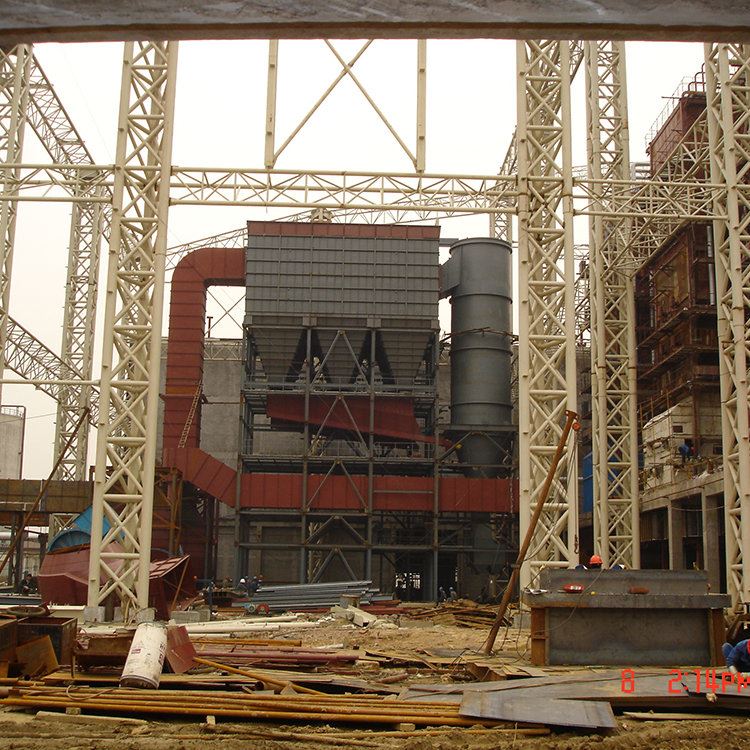
For general waste incineration, the waste composition is often a mixture of various materials. Our Dust Cleaning System for Exhausted Gas Produced By Waste Incineration combines multiple technologies. We may use a cyclone separator as a pre - treatment step to remove the larger dust particles, followed by a bag filter or an electrostatic precipitator for the finer particles. This combination helps to improve the overall dust removal efficiency and reduces the load on the subsequent filtration or collection units.
Biomass Incineration
Biomass waste usually has a high organic content. The dust from biomass incineration may contain a large amount of fine organic particles and ash. Our Dust Cleaning System for Exhausted Gas Produced By Biomass is designed to handle these specific characteristics. We use special bag materials that are resistant to clogging by fibrous organic particles. Additionally, we can adjust the operating parameters of the system, such as the airflow rate and the cleaning cycle of the bags, to ensure optimal performance.
Hazardous Waste Incineration
Hazardous waste incineration requires a high - performance dust cleaning system due to the presence of toxic and harmful substances in the dust. Our Dust Cleaning System for Exhausted Gas Produced By Hazardous Waste is equipped with advanced filtration and collection technologies. We use high - quality bag filters with enhanced chemical resistance and electrostatic precipitators with corrosion - resistant electrodes. These features help to ensure that the exhaust gases meet strict environmental standards and that the harmful substances are effectively removed from the dust.

Conclusion and Call to Action
In conclusion, waste composition has a profound impact on the performance of dust cleaning systems in the waste incineration industry. Understanding these effects is crucial for designing and operating efficient dust cleaning systems. As a supplier of dust cleaning systems, we have the expertise and experience to develop customized solutions based on the specific waste composition of our clients.
If you are in the waste incineration industry and are looking for a reliable dust cleaning system, we are here to help. Our team of experts can analyze your waste composition and recommend the most suitable dust cleaning system for your needs. Contact us today to start a discussion about your requirements and how we can provide you with a high - performance dust cleaning solution.
References
- Brown, J. (2018). Waste Incineration and Air Pollution Control. Environmental Science Journal, 25(3), 123 - 135.
- Green, M. (2019). The Impact of Waste Composition on Dust Characteristics in Incineration Processes. Journal of Waste Management, 32(2), 89 - 98.
- Smith, R. (2020). Advanced Dust Cleaning Technologies for the Waste Incineration Industry. International Journal of Environmental Engineering, 15(4), 201 - 215.