

Hey there! As a supplier of Dust Cleaning System for Raw Materials, I often get asked about the differences between different models of these systems. Well, let's dive right in and break it down.

First off, it's important to understand that the main goal of any dust cleaning system for raw materials is to remove dust and impurities from the raw materials. This not only helps in maintaining the quality of the raw materials but also has a positive impact on the overall production process by reducing equipment wear and tear and improving working conditions.
Bag Filter Dust Cleaning Systems
One of the most common models is the bag filter dust cleaning system. These systems work by passing the dusty air through a series of fabric bags. The dust particles get trapped on the surface of the bags, while the clean air passes through.

The advantage of bag filter systems is their high efficiency in capturing fine dust particles. They can remove up to 99% of the dust in the air, which is pretty impressive. They are also relatively easy to maintain. You just need to replace the bags periodically when they get clogged.
However, bag filter systems have some limitations. They can be quite bulky, which means they need a lot of space to install. Also, they are sensitive to high temperatures and humidity. If the air contains a lot of moisture or if the temperature is too high, the bags can get damaged, reducing their efficiency. Check out our Dust Cleaning System for Raw Materials page for more details on how our bag filter systems can work for you.
Cyclone Dust Cleaning Systems
Cyclone dust cleaning systems are another popular option. These systems use centrifugal force to separate the dust from the air. The dusty air is spun at high speed inside a cyclone chamber, and the heavier dust particles are forced to the outer walls of the chamber and then collected at the bottom.
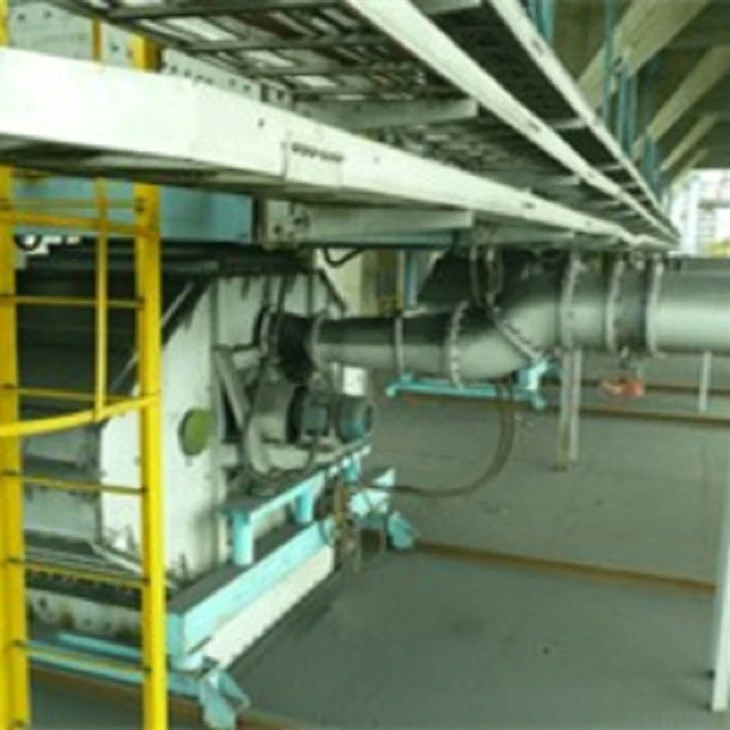
The big plus of cyclone systems is their simplicity and low cost. They don't have a lot of moving parts, which means there is less to go wrong. They are also very effective in removing large dust particles.
But, cyclone systems aren't so great at capturing fine dust. They typically have an efficiency of around 80 - 90% for larger particles, but when it comes to fine dust, the efficiency drops significantly. So, if your raw materials produce a lot of fine dust, a cyclone system might not be the best choice. You can find more about our cyclone-based Dust Cleaning System for Induction Furnaces, which often use this technology.
Electrostatic Precipitator Dust Cleaning Systems
Electrostatic precipitators are a more advanced type of dust cleaning system. These systems work by charging the dust particles in the air and then collecting them on oppositely charged plates.
The main advantage of electrostatic precipitators is their high efficiency in capturing fine dust. They can achieve an efficiency of over 99% even for very fine particles. They are also suitable for high-temperature applications, which is a big plus in some industries.
However, electrostatic precipitators are quite expensive to install and maintain. They require a lot of electrical power to operate, and the plates need to be cleaned regularly to maintain their efficiency. If you're in the market for a high - end solution for your electric arc furnaces, take a look at our Dust Cleaning System for EAFs.
Wet Scrubber Dust Cleaning Systems
Wet scrubber dust cleaning systems use water to remove dust from the air. The dusty air is passed through a chamber where it comes into contact with water droplets. The dust particles stick to the water droplets and are then removed from the air.
The good thing about wet scrubbers is that they can handle a wide range of dust types, including sticky and corrosive dust. They also have the added benefit of cooling the air if it's hot.
On the downside, wet scrubbers produce wastewater, which needs to be treated before disposal. They also require a continuous supply of water, which can be a problem in areas with water shortages.
Factors to Consider When Choosing a Model
Now that we've looked at the different models, how do you choose the right one for your needs? Well, there are a few factors to consider.
- Type of Raw Materials: Different raw materials produce different types of dust. If your raw materials produce a lot of fine dust, a bag filter or an electrostatic precipitator might be a better choice. If the dust is mostly large particles, a cyclone system could work well.
- Production Volume: If you have a high - volume production process, you'll need a system that can handle a large amount of air flow. Some systems, like electrostatic precipitators, are better suited for high - volume applications.
- Budget: Your budget will also play a big role in your decision. Bag filter and cyclone systems are generally more affordable, while electrostatic precipitators and some advanced wet scrubbers can be quite expensive.
- Space Availability: As mentioned earlier, some systems, like bag filter systems, are quite bulky and require a lot of space. Make sure you have enough room to install the system you choose.
Conclusion
In conclusion, there are several different models of dust cleaning systems for raw materials, each with its own advantages and disadvantages. The key is to understand your specific needs and choose the system that best fits those needs.
If you're still not sure which model is right for you, don't hesitate to reach out. We're here to help you make the best decision for your business. Whether you need a simple cyclone system or a high - end electrostatic precipitator, we've got you covered. Contact us today to start the conversation about finding the perfect dust cleaning system for your raw materials.
References
- "Industrial Air Pollution Control Technology" by Perry's Chemical Engineers' Handbook
- "Dust Collection Systems: Design and Operation" by American Conference of Governmental Industrial Hygienists