

Hey there! As a supplier of Dust Cleaning Systems for Induction Furnaces, I've seen firsthand how important it is for operators to have the right training. In this blog, I'll break down the key training requirements to ensure that your induction furnace dust cleaning system runs smoothly and efficiently.
Understanding the Basics of Induction Furnace Dust Cleaning Systems
First off, it's crucial for operators to have a solid understanding of how the dust cleaning system works. An induction furnace dust cleaning system is designed to capture and remove dust and pollutants generated during the melting process in an induction furnace. These systems typically consist of several components, including dust collectors, fans, ducts, and control systems.
The dust collector is the heart of the system. It uses filters to trap dust particles, preventing them from being released into the environment. The fans are responsible for creating the airflow that carries the dust-laden air through the system, while the ducts connect all the components and direct the air to the appropriate places. The control system manages the operation of the entire system, ensuring that it runs at optimal efficiency.
Operators need to know how each of these components functions and how they interact with one another. They should be able to identify the different parts of the system, understand their purpose, and know how to perform basic maintenance tasks. For example, they should know how to change the filters in the dust collector, how to check the fan for proper operation, and how to troubleshoot common issues with the control system.
Safety Training
Safety is always a top priority when it comes to operating any industrial equipment, and induction furnace dust cleaning systems are no exception. Operators should receive comprehensive safety training that covers all aspects of working with the system.
One of the main hazards associated with dust cleaning systems is exposure to dust and pollutants. The dust generated by induction furnaces can contain harmful substances such as heavy metals, silica, and other toxic chemicals. Prolonged exposure to these substances can cause serious health problems, including respiratory diseases, lung cancer, and other chronic conditions.
Operators should be trained on how to use personal protective equipment (PPE) properly. This includes wearing respirators, safety glasses, gloves, and other protective gear to minimize their exposure to dust and pollutants. They should also be taught how to handle and dispose of the collected dust safely to prevent further contamination.
In addition to dust exposure, operators need to be aware of other safety risks associated with the system, such as electrical hazards, fire hazards, and mechanical hazards. They should be trained on how to follow proper safety procedures when working around the system, including how to lock out and tag out the equipment before performing maintenance or repairs.
Operating Procedures
Operators need to be trained on the correct operating procedures for the induction furnace dust cleaning system. This includes how to start and stop the system, how to monitor its performance, and how to adjust the settings to ensure optimal operation.
Before starting the system, operators should perform a pre-start check to ensure that all the components are in good working condition. They should check the filters, fans, ducts, and control system for any signs of damage or wear. They should also make sure that the system is properly connected to the power supply and that all the safety devices are functioning correctly.
Once the system is started, operators should monitor its performance regularly. They should check the airflow, pressure, and temperature readings to ensure that the system is operating within the specified parameters. They should also look for any signs of abnormal operation, such as unusual noises, vibrations, or leaks. If they notice any problems, they should take immediate action to address them.
Operators should also be trained on how to adjust the settings of the system to optimize its performance. For example, they may need to adjust the fan speed to control the airflow, or they may need to adjust the filter cleaning cycle to ensure that the filters are clean and functioning properly.
Maintenance and Troubleshooting
Regular maintenance is essential to keep the induction furnace dust cleaning system running smoothly and efficiently. Operators should be trained on how to perform basic maintenance tasks, such as cleaning the filters, lubricating the moving parts, and inspecting the system for any signs of damage or wear.
They should also be taught how to troubleshoot common issues with the system. For example, if the system is not capturing dust effectively, they may need to check the filters to see if they are clogged or damaged. If the fan is not working properly, they may need to check the electrical connections or the motor. By being able to identify and address these issues quickly, operators can minimize downtime and ensure that the system continues to operate at peak performance.
Advanced Training
In addition to the basic training requirements, operators may also benefit from advanced training in areas such as system optimization, energy efficiency, and new technologies. As technology continues to evolve, there are always new ways to improve the performance and efficiency of induction furnace dust cleaning systems.
Advanced training can help operators stay up-to-date with the latest developments in the industry and learn how to apply these new technologies to their systems. For example, they may learn about new filter materials that offer better dust collection efficiency, or they may learn about advanced control systems that can optimize the operation of the system based on real-time data.
Conclusion
In conclusion, proper training is essential for operators of induction furnace dust cleaning systems. By providing comprehensive training on the basics of the system, safety procedures, operating procedures, maintenance, and troubleshooting, you can ensure that your operators are able to operate the system safely and efficiently.
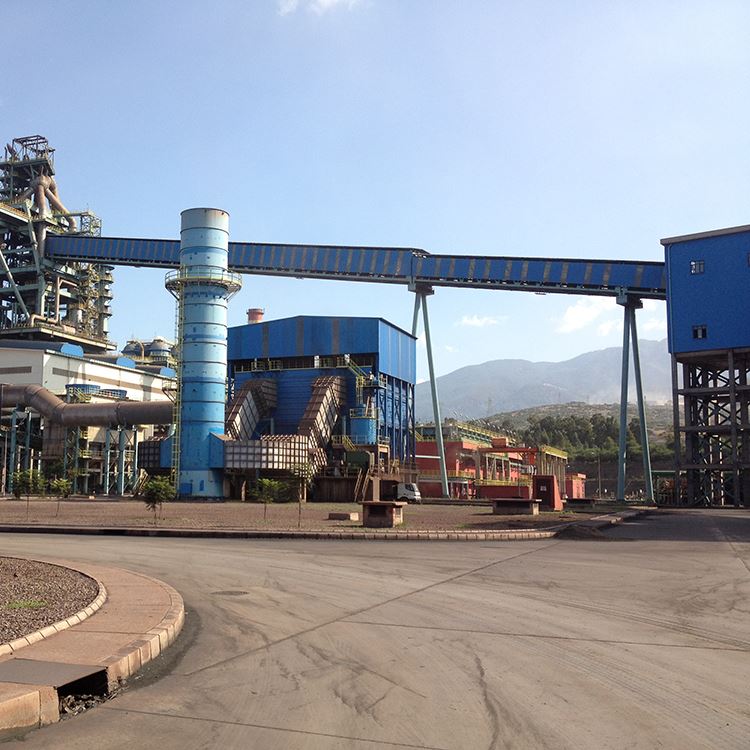
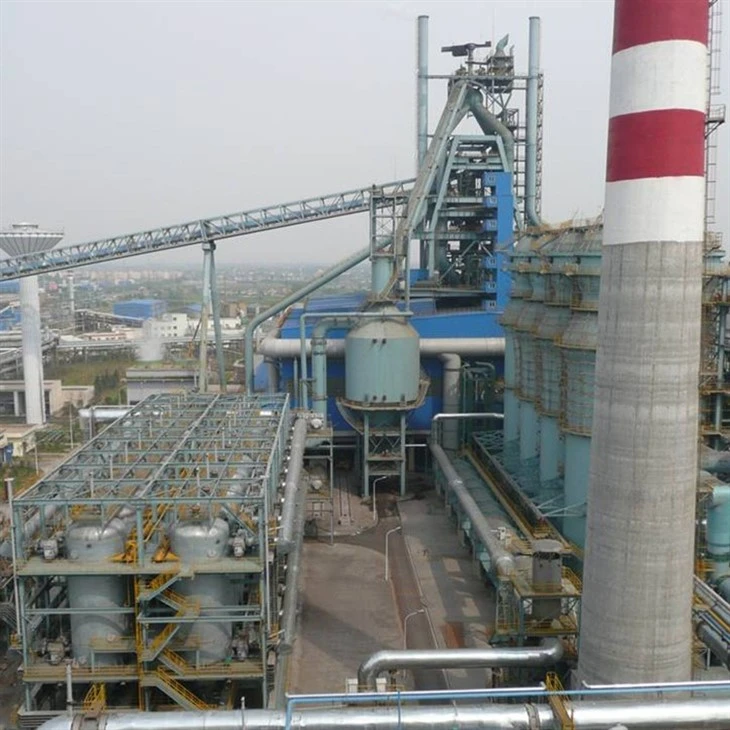
If you're in the market for a Dust Cleaning System for Induction Furnaces, we're here to help. We also offer Dust Cleaning System for Raw Materials, Dust Cleaning System for EAFs, and Dust Cleaning System for Blast Furnaces. If you have any questions or would like to discuss your specific needs, feel free to reach out to us. We'd be happy to work with you to find the best solution for your business.
References
- Industrial Ventilation: A Manual of Recommended Practice, American Conference of Governmental Industrial Hygienists (ACGIH)
- Occupational Safety and Health Administration (OSHA) standards for industrial ventilation and dust control
- Manufacturer's manuals and technical documentation for induction furnace dust cleaning systems