

Hey there! I'm a supplier of Dust Cleaning System for Raw Materials, and today I wanna chat about the requirements for the installation space of such a system. It's super important to get this right, 'cause if the space isn't suitable, the system won't work as well as it should.
General Considerations
First off, let's talk about the overall size of the system. Different types of dust cleaning systems for raw materials come in various sizes. Some are small and compact, while others are large and bulky. You gotta make sure the installation space can accommodate the system's physical dimensions. This includes not just the length, width, and height of the main unit but also any additional components like ducts, fans, and filters.
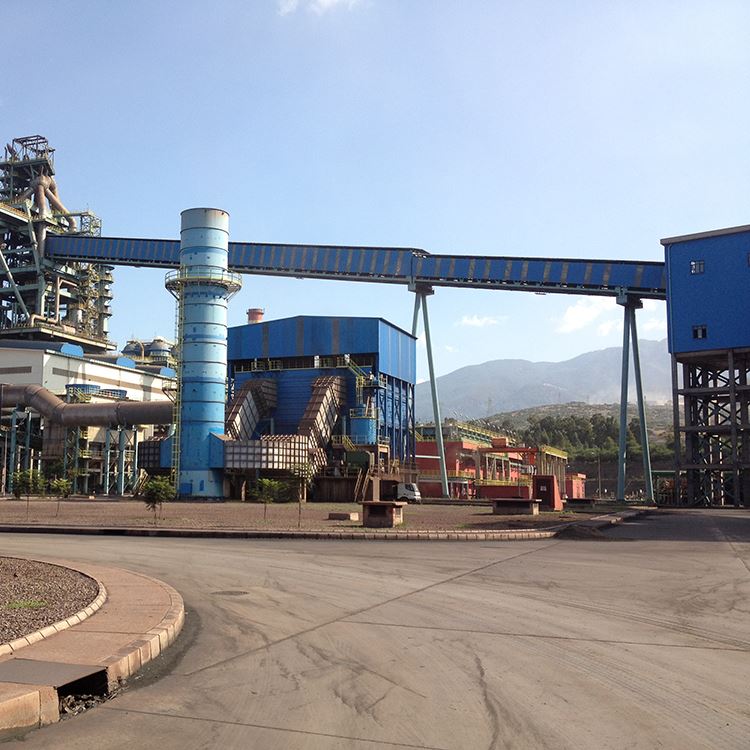
For example, if you're looking at a Dust Cleaning System for Blast Furnaces, it's likely to be a pretty big setup. These systems are designed to handle a large volume of dust and pollutants generated by blast furnaces. So, you need a spacious area with enough clearance around the system for maintenance and inspection.
Ventilation and Airflow
Ventilation is another crucial factor. The dust cleaning system needs proper airflow to function effectively. You should have enough space for the intake and exhaust of air. There should be no obstructions blocking the air passages. A good rule of thumb is to have at least a few feet of clear space around the intake and exhaust vents.
If the installation space is too cramped, it can lead to poor airflow. This means the system won't be able to suck in the dusty air efficiently, and the cleaned air might not be expelled properly. As a result, the system's performance will be compromised, and you might end up with higher dust levels in the environment.
Accessibility for Maintenance
Maintenance is a must for any dust cleaning system. You need to be able to access all parts of the system easily for routine checks, cleaning, and repairs. So, the installation space should have sufficient room for technicians to move around. There should be enough clearance to open doors, remove panels, and reach internal components.
Imagine having a Dust Cleaning System for Sinter Plants. These systems have complex components that require regular maintenance. If the installation space is too tight, it'll be a real pain for the maintenance crew to do their job. They might not be able to clean the filters properly or replace worn - out parts in a timely manner.
Structural Integrity
The installation space needs to have a strong and stable structure. The dust cleaning system can be quite heavy, especially when it's fully loaded with dust and other components. The floor or platform where the system is installed should be able to support its weight without sagging or collapsing.
Before installing the system, it's a good idea to have a structural engineer assess the installation site. They can determine if any reinforcements are needed. For instance, if you're installing a large Dust Cleaning System for Induction Furnaces on an upper floor, the floor might need additional support beams to handle the weight.
Environmental Factors
The environment of the installation space also matters. The space should be protected from extreme weather conditions like heavy rain, snow, or strong winds. If the system is exposed to the elements, it can cause damage to the components. For example, water can rust the metal parts, and strong winds can shake the system and loosen its connections.
In addition, the temperature and humidity of the installation space should be within the system's operating range. Some systems work best in a certain temperature and humidity environment. If the conditions are too extreme, it can affect the system's performance and lifespan.

Utility Connections
You need to ensure that there are proper utility connections in the installation space. This includes electrical power, water (if the system uses a wet cleaning method), and compressed air (for some pneumatic components). The electrical supply should be stable and able to handle the power requirements of the system.
The location of these utility connections should be convenient. You don't want to have long, exposed cables or pipes running across the installation space, as this can be a safety hazard and also make the area look messy.
Safety Clearances
Safety is always a top priority. There should be adequate safety clearances around the dust cleaning system. This means keeping a certain distance from other equipment, storage areas, and walkways. In case of an emergency, there needs to be enough space for people to evacuate safely.
For example, if there's a fire or a mechanical failure in the dust cleaning system, people need to be able to move away quickly without being blocked by other objects. Also, the safety clearances help prevent accidental collisions with the system, which could damage the equipment or cause injuries.
Future Expansion
It's also a good idea to think about future expansion when choosing the installation space. Your business might grow, and you may need to upgrade or add more components to the dust cleaning system in the future. So, leave some extra space around the system for potential expansion.
If you install the system in a space that's just barely big enough for the current setup, you'll have a hard time making any changes or additions later on. This could end up costing you more money and time in the long run.
Conclusion
In conclusion, there are many requirements for the installation space of a dust cleaning system for raw materials. From the physical size of the system to ventilation, maintenance accessibility, structural integrity, environmental factors, utility connections, safety clearances, and future expansion, every aspect needs to be carefully considered.
If you're in the market for a dust cleaning system for raw materials, I'd love to have a chat with you. We can discuss your specific needs and figure out the best installation solution for your space. Whether it's a Dust Cleaning System for Blast Furnaces, Dust Cleaning System for Sinter Plants, or Dust Cleaning System for Induction Furnaces, we've got you covered. Contact me to start the purchasing and installation process!
References
- Industrial Ventilation Handbook: Provides in - depth knowledge about ventilation requirements for dust cleaning systems.
- Safety Standards for Industrial Equipment Installation: Offers guidelines on safety clearances and structural integrity for equipment installation.