

Hey there! As a supplier of Dust Cleaning System For Metallurgy Industry, I've been in the thick of it when it comes to managing spare parts for these systems. In this blog, I'll share what I've learned about the requirements for spare parts management in a dust cleaning system in the metallurgy industry.
Importance of Spare Parts Management
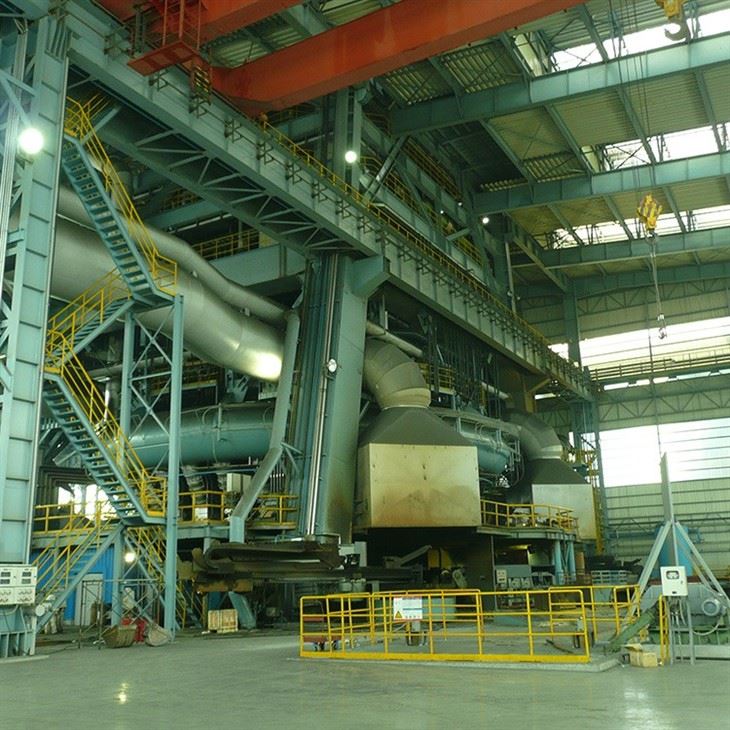
First off, let's talk about why spare parts management is such a big deal. In the metallurgy industry, dust cleaning systems are crucial. They help keep the environment clean, protect workers' health, and ensure the smooth operation of the production process. But these systems are complex and are constantly exposed to harsh conditions like high temperatures, abrasive dust, and chemical corrosion. So, breakdowns can happen, and when they do, having the right spare parts on hand can mean the difference between a short downtime and a long - drawn - out production halt.
Requirements for Spare Parts Selection
Compatibility
The spare parts you choose must be compatible with your dust cleaning system. Every system has its own unique design, specifications, and operating parameters. For example, if you have a Dust Cleaning System for Raw Materials, the filters, fans, and valves need to fit precisely into the existing system. Using incompatible parts can lead to poor performance, increased wear and tear, and even system failure. So, it's essential to work closely with your system supplier or a qualified technician to ensure that the spare parts match your system's requirements.
Quality
Quality is non - negotiable when it comes to spare parts. In the metallurgy industry, the dust cleaning system is under constant stress. Low - quality parts are more likely to break down, which can cause unexpected shutdowns and additional maintenance costs. Look for parts that are made from high - quality materials and are manufactured to strict standards. For instance, the filter bags in a dust cleaning system should be able to withstand high temperatures and resist abrasion. A good quality filter bag will not only last longer but also provide better dust filtration efficiency.
Availability
Another important requirement is the availability of spare parts. You don't want to be stuck waiting for weeks for a critical part to arrive when your dust cleaning system breaks down. It's a good idea to establish a relationship with a reliable supplier who can provide fast delivery. Some suppliers offer a stock of commonly used spare parts, which can significantly reduce the lead time. Additionally, consider the global supply chain situation. In case of any disruptions, having a backup plan or alternative suppliers can ensure that you can still get the parts you need in a timely manner.
Inventory Management
Stock Level Determination
Determining the right stock level for spare parts is a balancing act. On one hand, you don't want to overstock and tie up a lot of capital in inventory. On the other hand, you don't want to run out of critical parts when you need them. To determine the appropriate stock level, you need to consider factors such as the frequency of part failures, the lead time for procurement, and the impact of system downtime. For example, if a particular part has a high failure rate and a long lead time, it might be wise to keep a larger stock of it.
Inventory Tracking
Keeping track of your spare parts inventory is essential. You can use an inventory management system to record details such as the quantity, location, and usage history of each part. This will help you monitor stock levels, identify parts that need to be reordered, and prevent overstocking or stockouts. Regular physical inventory checks are also necessary to ensure that the actual stock matches the records in the system.
Storage Conditions
Proper storage conditions are crucial for maintaining the quality of spare parts. Parts should be stored in a clean, dry, and temperature - controlled environment. For example, electronic components can be damaged by moisture and extreme temperatures, so they need to be stored in a sealed container with desiccants. Mechanical parts should be protected from dust and corrosion. Labeling the storage areas clearly can also make it easier to find the parts when you need them.
Maintenance and Monitoring
Preventive Maintenance
Regular preventive maintenance is key to reducing the need for spare parts replacement. By performing routine inspections, cleaning, and lubrication, you can identify and address potential issues before they turn into major problems. For example, checking the fan belts in your dust cleaning system regularly can help you detect signs of wear and replace them before they break. Preventive maintenance also helps extend the lifespan of your system and its components.
Condition Monitoring
Using condition monitoring techniques can help you predict when a spare part is likely to fail. This can be done through methods such as vibration analysis, temperature monitoring, and oil analysis. For instance, if you notice an abnormal increase in the vibration of a fan, it could indicate a problem with the bearings. By detecting these early warning signs, you can plan for the replacement of the affected part in advance, minimizing downtime.
Documentation and Record - Keeping
Part Documentation
Keep detailed documentation for each spare part, including the part number, specifications, installation instructions, and maintenance history. This documentation can be invaluable when it comes to ordering replacement parts, performing maintenance, and troubleshooting. For example, if you need to order a new filter, having the exact part number and specifications will ensure that you get the right part.
System History
Maintaining a comprehensive system history is also important. Record details such as the dates of system installations, repairs, and component replacements. This information can help you identify trends in system performance and make informed decisions about future spare parts management. For example, if you notice that a particular type of part needs to be replaced more frequently than others, you can investigate the root cause and consider alternative parts or design improvements.
Training and Staff Competence
Training Programs
Providing training programs for your staff is essential for effective spare parts management. Your employees should be trained on how to identify, select, install, and maintain spare parts. They should also be familiar with the operation of the inventory management system and the condition monitoring techniques. For example, training your maintenance technicians on the proper installation of filter bags can ensure that they are installed correctly, which will improve the performance of the dust cleaning system.
Staff Competence
Ensure that your staff has the necessary skills and knowledge to handle spare parts management tasks. Hire experienced technicians who are familiar with dust cleaning systems in the metallurgy industry. Regularly assess their performance and provide opportunities for professional development to keep their skills up - to - date.
Cost - Benefit Analysis
Cost Considerations
When managing spare parts, cost is always a factor. You need to balance the cost of purchasing and storing spare parts with the cost of system downtime. While it might be tempting to choose the cheapest parts available, remember that low - cost parts can sometimes lead to higher long - term costs due to frequent replacements and increased maintenance. Consider the total cost of ownership, which includes the purchase price, installation cost, maintenance cost, and the cost of downtime.
Benefit Evaluation
Evaluate the benefits of having a well - managed spare parts inventory. A reliable supply of spare parts can reduce downtime, improve system performance, and enhance worker safety. This can lead to increased productivity and cost savings in the long run. For example, a short - term investment in high - quality spare parts can result in fewer breakdowns and longer system uptime, which can translate into higher production output and increased profitability.
Conclusion
In conclusion, spare parts management for a dust cleaning system in the metallurgy industry is a complex but essential task. By following the requirements I've outlined above, you can ensure that your system operates smoothly, minimize downtime, and reduce costs. If you're in the market for a dust cleaning system or need help with spare parts management, feel free to reach out to us. We're here to assist you in making the right choices for your business. Whether you need a Dust Cleaning System for Induction Furnaces or a Dust Cleaning System for Blast Furnaces, we've got you covered. Let's work together to keep your metallurgy operations clean and efficient!
References
- "Industrial Dust Collection Handbook"
- "Maintenance and Reliability Best Practices in the Metallurgy Industry"
- Technical manuals of dust cleaning systems in the metallurgy industry