

As a trusted supplier of the Dust Cleaning System for Raw Materials, I've witnessed firsthand the critical role these systems play in maintaining a clean and safe industrial environment. One of the less - discussed but highly important aspects of these systems is their radiation resistance properties. In this blog, I'll delve into the radiation resistance of our dust cleaning systems for raw materials, exploring why it matters and how our technology ensures optimal performance in radiation - prone settings.
Understanding Radiation in Industrial Settings
Radiation in industrial environments can come from various sources. In the metallurgy industry, for example, processes like electric arc furnaces (EAFs) and induction furnaces can generate different types of radiation. EAFs, which are used for melting scrap metal, produce intense heat and light, some of which is in the form of electromagnetic radiation. Induction furnaces, on the other hand, use electromagnetic fields to heat and melt metals, also emitting a certain amount of radiation.
Exposure to radiation can have detrimental effects on both the equipment and the personnel working in these environments. For equipment, radiation can cause degradation of materials, leading to reduced lifespan, malfunction, and increased maintenance costs. For workers, long - term exposure to radiation can pose serious health risks, including an increased risk of cancer, genetic mutations, and damage to the immune system. Therefore, it's essential to have dust cleaning systems that can withstand radiation and continue to operate effectively.
Radiation Resistance Mechanisms in Our Dust Cleaning Systems
Our Dust Cleaning System for Raw Materials is designed with several features to ensure high - level radiation resistance.
Material Selection
We carefully choose materials for the construction of our dust cleaning systems that have inherent radiation - resistant properties. For example, some of the outer casings are made from special alloys that can absorb and dissipate radiation energy. These alloys are formulated to have a high atomic number, which allows them to interact more effectively with radiation particles, reducing the amount of radiation that penetrates into the internal components of the system.
Inside the system, the filter media is also crucial. We use advanced filter materials that are not only effective at capturing dust particles but also resistant to radiation damage. These filter media are treated with special coatings that can protect the fibers from radiation - induced degradation. This ensures that the filtration efficiency remains stable over time, even in radiation - rich environments.
Shielding Design
In addition to using radiation - resistant materials, our dust cleaning systems are equipped with shielding designs. We incorporate lead - based shielding layers in strategic locations within the system. Lead is a well - known radiation shield due to its high density and ability to absorb various types of radiation, including gamma rays and X - rays. The shielding layers are carefully placed to protect the most sensitive components of the system, such as the control panels, sensors, and electronic circuits.
The shielding design also takes into account the geometry of the system. By creating a multi - layer shielding structure, we can further enhance the radiation - blocking effect. The layers are arranged in a way that maximizes the interaction between the radiation and the shielding materials, minimizing the amount of radiation that reaches the internal parts of the system.

Cooling and Ventilation
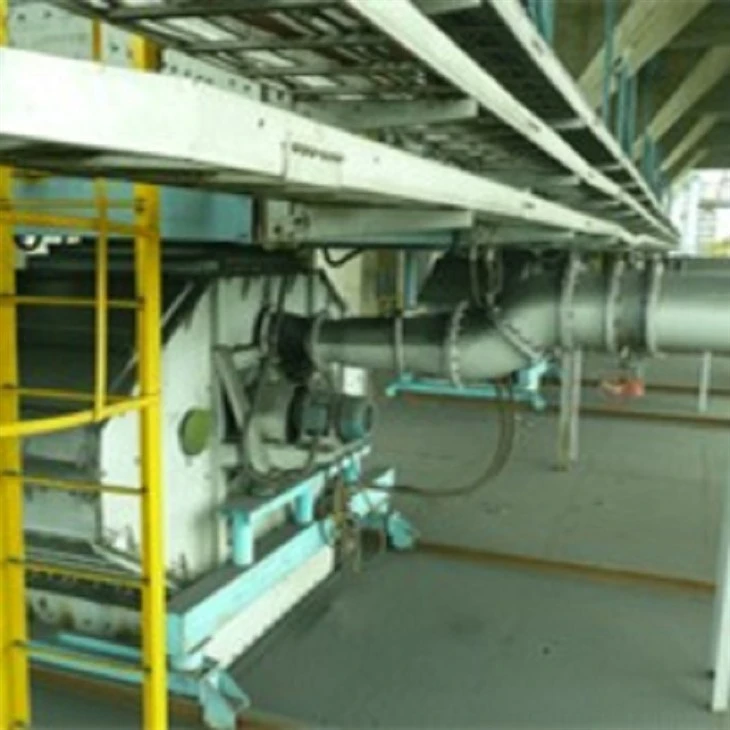
Proper cooling and ventilation are essential for maintaining the radiation resistance of our dust cleaning systems. Radiation can generate heat, which, if not dissipated properly, can cause thermal stress on the materials and components, accelerating their degradation. Our systems are designed with efficient cooling and ventilation mechanisms.
We use high - performance fans and heat exchangers to remove the heat generated by radiation and normal operation. The ventilation system also helps to prevent the accumulation of radioactive dust particles inside the system. By continuously circulating air and removing dust, we can reduce the risk of internal contamination and maintain the overall performance of the system.
Testing and Certification
To ensure the reliability of our dust cleaning systems' radiation resistance, we conduct rigorous testing. Our products are tested in specialized radiation chambers that simulate the radiation levels and types found in real - world industrial environments. We measure the performance of the system before, during, and after radiation exposure, including filtration efficiency, pressure drop, and the functionality of electronic components.
In addition to our in - house testing, our dust cleaning systems also meet international standards for radiation resistance. We hold certifications from recognized organizations, which validate the quality and performance of our products in radiation - prone settings. This gives our customers the confidence that our systems can withstand the harsh conditions of their industrial facilities.
Comparison with Other Systems
When compared to other dust cleaning systems in the market, our Dust Cleaning System for Raw Materials stands out in terms of radiation resistance. Many competing products do not have the same level of attention to radiation - related issues. Some may use inferior materials that are more susceptible to radiation damage, leading to frequent breakdowns and reduced filtration efficiency.
Our systems, on the other hand, are specifically engineered to address the challenges of radiation in industrial settings. The combination of advanced material selection, shielding design, and cooling mechanisms gives us an edge over the competition. We are committed to providing our customers with a reliable and long - lasting solution that can operate effectively in radiation - rich environments.
Applications in Different Industries
Our dust cleaning systems with excellent radiation resistance are suitable for a wide range of industries. In the metallurgy industry, as mentioned earlier, they are used in conjunction with Dust Cleaning System for EAFs and Dust Cleaning System for Induction Furnaces to maintain a clean and safe working environment.
In the nuclear power industry, where radiation is a major concern, our systems can be used to clean the air and remove radioactive dust particles from the raw materials handling areas. This helps to prevent the spread of radiation and protect the health of workers and the surrounding environment.
In the mining industry, especially in mines where radioactive minerals are present, our dust cleaning systems can effectively capture and remove radioactive dust, reducing the risk of radiation exposure to miners and protecting the equipment from radiation damage.
Conclusion
The radiation resistance properties of our Dust Cleaning System for Raw Materials are a crucial aspect of its design and performance. Through careful material selection, advanced shielding design, and efficient cooling and ventilation, our systems can withstand the challenges of radiation in industrial environments. Rigorous testing and international certifications ensure the reliability and quality of our products.
If you are in need of a dust cleaning system that can perform well in radiation - prone settings, we invite you to contact us for more information. Our team of experts is ready to assist you in selecting the right system for your specific requirements and guide you through the procurement process. Let's work together to create a cleaner, safer, and more efficient industrial environment.
References
- "Radiation Protection in Industrial Environments", International Atomic Energy Agency.
- "Advanced Materials for Radiation Shielding", Journal of Materials Science.
- "Dust Filtration Technology in High - Radiation Settings", Industrial Air Quality Research Journal.