

Hey there! As a supplier of the Dust Cleaning System for Coke Ovens, I've been getting a lot of questions lately about the operation costs. So, I thought I'd break it down for you all in this blog post.
Let's start with the basics. The operation costs of a dust cleaning system for coke ovens can be divided into several categories: energy consumption, maintenance, and consumables.
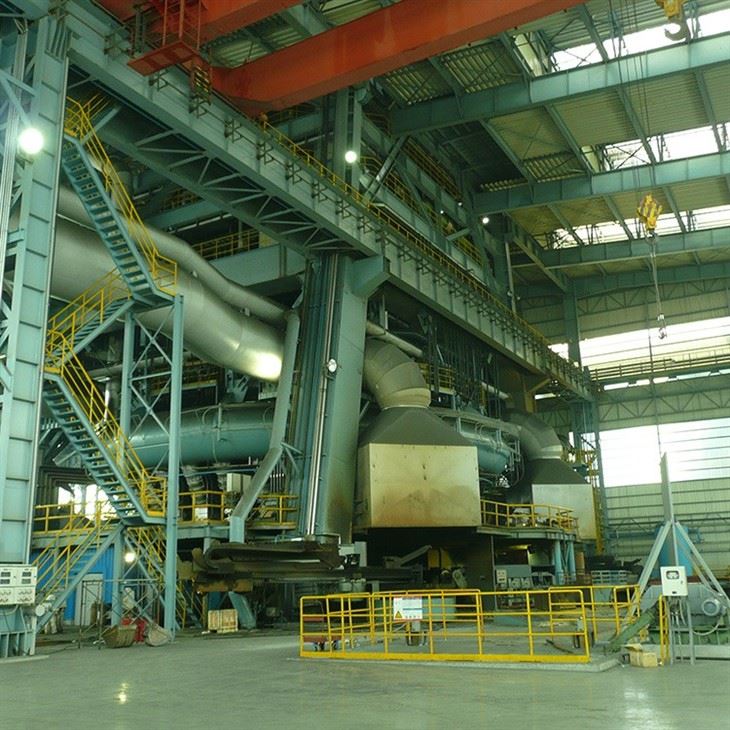

Energy Consumption
Energy is one of the biggest factors when it comes to the operation costs. The dust cleaning system for coke ovens usually consists of fans, motors, and other electrical components. These need a significant amount of power to run.
The fans are used to draw in the dusty air from the coke ovens and push it through the cleaning system. The size and power of the fans depend on the capacity of the coke oven and the amount of dust generated. Generally, larger coke ovens require more powerful fans, which means higher energy consumption.
For example, if you have a medium - sized coke oven, the fan might consume around 50 - 100 kilowatts per hour. And if the system runs continuously for 24 hours a day, that's a substantial amount of electricity. To reduce energy costs, some modern dust cleaning systems are designed with energy - efficient motors and variable frequency drives. These can adjust the speed of the fans according to the actual dust load, saving a lot of energy in the long run.
Maintenance
Maintenance is another important aspect of the operation costs. The dust cleaning system has to work in a harsh environment with high temperatures, corrosive gases, and a large amount of dust. This means that the components of the system are prone to wear and tear.
Regular maintenance includes checking and replacing filters, inspecting the fan blades for damage, and lubricating moving parts. Filters are a crucial part of the dust cleaning system. They trap the dust particles and prevent them from being released into the atmosphere. Over time, the filters get clogged with dust, which reduces their efficiency. So, they need to be replaced regularly.
The frequency of filter replacement depends on the dust concentration in the coke oven. In a high - dust environment, the filters might need to be replaced every few weeks. And the cost of filters can vary depending on the type and size. Some high - quality filters can be quite expensive, but they offer better filtration efficiency and longer service life.
In addition to filter replacement, the fan blades also need to be inspected regularly. The high - speed rotation of the fans and the impact of dust particles can cause damage to the blades. If the blades are damaged, they need to be repaired or replaced. This requires professional technicians and specialized tools, which adds to the maintenance cost.
Consumables
Consumables are the materials that are used up during the operation of the dust cleaning system. Apart from filters, other consumables include lubricants, gaskets, and belts.
Lubricants are used to reduce friction between moving parts, such as the bearings of the fans and motors. They need to be replenished regularly to ensure smooth operation. Gaskets are used to seal the joints in the system, preventing the leakage of dusty air. And belts are used to transfer power between different components.
The cost of consumables might seem small compared to energy and maintenance costs, but over time, they can add up. For example, if you have to replace a belt every few months, and each belt costs around $50 - $100, that's an extra expense that you need to consider.
Comparison with Other Dust Cleaning Systems
If you're also interested in other dust cleaning systems in the metallurgy industry, we also offer Dust Cleaning System for Blast Furnaces, Dust Cleaning System for Sinter Plants, and Dust Cleaning System for Converters. Each of these systems has its own unique operation costs.
The dust cleaning system for blast furnaces usually has higher energy consumption because blast furnaces are much larger and produce more dust. However, the maintenance requirements might be different. The environment in a blast furnace is more extreme, with higher temperatures and more corrosive gases, which might require more frequent maintenance of some components.
The dust cleaning system for sinter plants also has its own characteristics. Sinter plants generate a large amount of fine dust, which requires high - efficiency filters. And the maintenance of the system in a sinter plant might focus more on preventing the build - up of dust in the ducts.
The dust cleaning system for converters is designed to handle the high - temperature and high - dust environment during the steel - making process. It needs to be able to withstand the rapid changes in temperature and dust load, which might lead to different maintenance and energy consumption patterns compared to the coke oven dust cleaning system.
How to Control Operation Costs
To control the operation costs of the dust cleaning system for coke ovens, here are some tips:
- Invest in a high - quality system: Although a high - quality dust cleaning system might have a higher initial cost, it can save you a lot of money in the long run. Energy - efficient motors, durable filters, and well - designed components can reduce energy consumption and maintenance requirements.
- Implement a preventive maintenance program: Regular maintenance can prevent major breakdowns and extend the service life of the system. Keep a maintenance schedule and follow it strictly.
- Monitor the system performance: Use sensors and monitoring devices to keep track of the system's energy consumption, dust concentration, and filter efficiency. This can help you detect problems early and take appropriate measures.
If you're in the market for a dust cleaning system for coke ovens or other related systems, we're here to help. Our company has years of experience in providing high - quality dust cleaning solutions. We can offer you a customized system based on your specific requirements and help you manage the operation costs effectively. Whether you have questions about the operation costs or want to know more about our products, feel free to reach out and start a procurement negotiation. We're committed to providing you with the best value for your investment.
References
- Smith, J. (2018). "Energy - efficient design of industrial dust cleaning systems". Journal of Industrial Engineering.
- Brown, A. (2019). "Maintenance strategies for dust cleaning systems in harsh environments". Environmental Science and Technology.
- Green, C. (2020). "Consumables management in dust cleaning systems". Industrial Equipment Magazine.