

Waste incineration is a crucial method for waste management, effectively reducing the volume of waste and generating energy. However, it also produces a significant amount of dust and pollutants in the exhaust gas. A dust cleaning system plays a vital role in ensuring that the emissions from waste incineration meet environmental standards. As a leading supplier of [Dust Cleaning System For Waste Incineration Industry], I understand the importance of not only providing high - quality systems but also being transparent about the associated maintenance costs.
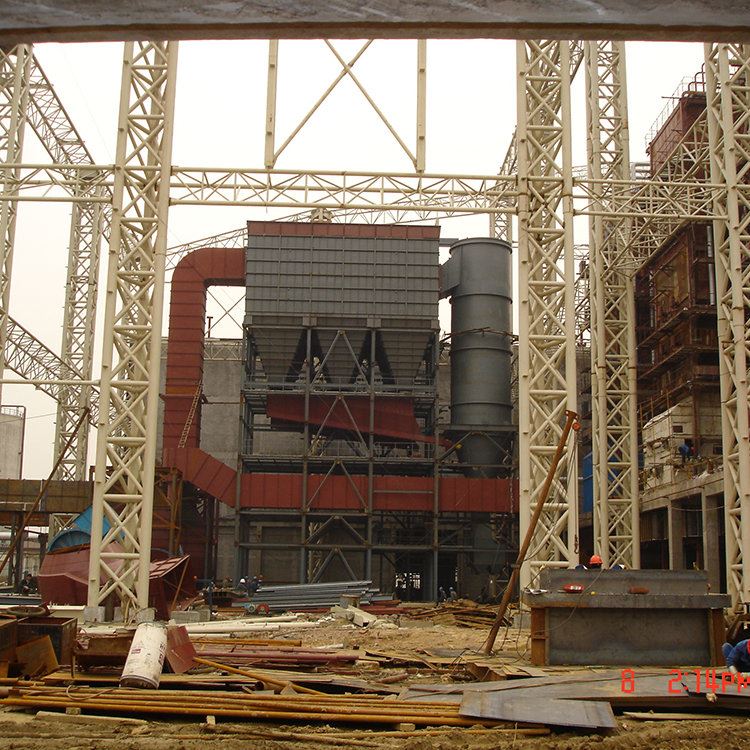

1. Types of Dust Cleaning Systems in Waste Incineration
There are several types of dust cleaning systems commonly used in waste incineration plants. The most prevalent ones include bag - type dust collectors, electrostatic precipitators, and wet scrubbers.
Bag - type dust collectors operate by filtering the exhaust gas through fabric bags. The dust particles are trapped on the surface of the bags, and periodic cleaning is required to maintain the filtration efficiency. Electrostatic precipitators use an electrostatic charge to attract and collect dust particles. They are known for their high collection efficiency but require regular maintenance of the electrodes and power supply systems. Wet scrubbers remove dust by contacting the exhaust gas with a liquid, usually water. They are effective in removing both dust and certain gaseous pollutants, but the liquid handling and corrosion - prevention aspects need careful attention.
2. Factors Affecting Maintenance Costs
2.1. System Complexity
More complex dust cleaning systems generally have higher maintenance costs. For example, an electrostatic precipitator has a sophisticated electrical and mechanical structure. The high - voltage power supply, electrodes, and rapping systems need to be regularly inspected and maintained. Any malfunction in these components can lead to a significant reduction in the dust collection efficiency. In contrast, a simple bag - type dust collector may have relatively lower maintenance requirements, but the replacement of filter bags can still be a substantial cost factor.
2.2. Operating Conditions
The operating conditions of the waste incineration plant have a direct impact on the maintenance costs of the dust cleaning system. High - temperature exhaust gas can cause thermal stress on the components of the dust cleaning system, leading to material degradation and potential failures. Corrosive gases in the exhaust, such as sulfur dioxide and hydrochloric acid, can corrode the metal parts of the system. Additionally, the concentration and particle size distribution of the dust in the exhaust gas also affect the wear and tear of the system. Higher dust concentrations may require more frequent cleaning and filter replacement.
2.3. Frequency of Use
The more frequently the waste incineration plant operates, the higher the maintenance costs of the dust cleaning system. Continuous operation means that the components of the system are under constant stress, increasing the likelihood of wear and tear. Regular shutdowns for maintenance are necessary to ensure the long - term reliability of the system, but frequent shutdowns can also result in production losses for the waste incineration plant.
3. Specific Maintenance Costs
3.1. Replacement Parts
One of the most significant maintenance costs is the replacement of parts. In a bag - type dust collector, filter bags need to be replaced periodically. The lifespan of filter bags depends on factors such as the type of fabric, operating temperature, and dust load. High - quality filter bags may have a longer lifespan but come with a higher initial cost. In an electrostatic precipitator, electrodes may need to be replaced due to wear or corrosion. The power supply components, such as transformers and rectifiers, also have a limited lifespan and may require replacement.
3.2. Labor Costs
Labor costs are another important aspect of maintenance. Skilled technicians are required to perform regular inspections, cleaning, and repairs of the dust cleaning system. The labor costs include not only the wages of the technicians but also the cost of training them to ensure they have the necessary skills and knowledge to maintain the system safely and effectively.
3.3. Energy Consumption
The dust cleaning system consumes energy during operation. For example, electrostatic precipitators require a significant amount of electrical energy to generate the electrostatic field. Bag - type dust collectors need power for the fan to draw the exhaust gas through the bags. The energy consumption contributes to the overall operating cost of the system, and any inefficiencies in the system can lead to increased energy costs.
3.4. Chemicals and Consumables
In wet scrubbers, chemicals may be used to enhance the removal of pollutants. For example, lime or sodium hydroxide may be added to the scrubbing liquid to neutralize acidic gases. These chemicals need to be replenished regularly, adding to the maintenance costs. Additionally, other consumables such as lubricants for moving parts in the system also contribute to the overall cost.
4. Strategies to Reduce Maintenance Costs
4.1. Regular Inspections and Preventive Maintenance
Implementing a regular inspection and preventive maintenance program can significantly reduce maintenance costs in the long run. By identifying and addressing potential problems early, major breakdowns can be avoided. For example, regular inspections of the electrodes in an electrostatic precipitator can detect signs of wear or corrosion before they cause a significant reduction in the dust collection efficiency. Preventive maintenance can also include activities such as lubrication of moving parts and calibration of sensors.
4.2. Upgrading and Optimization
Upgrading the dust cleaning system with the latest technology can improve its efficiency and reduce maintenance costs. For example, using more advanced filter materials in bag - type dust collectors can extend the lifespan of the filter bags and reduce the frequency of replacement. Optimizing the operating parameters of the system, such as the gas flow rate and temperature, can also improve the performance and reduce the wear and tear on the components.
4.3. Staff Training
Well - trained staff can operate and maintain the dust cleaning system more effectively, reducing the likelihood of costly mistakes. Providing regular training to the technicians on the latest maintenance techniques and safety procedures can improve the overall reliability of the system and lower the maintenance costs.
5. Our Company's Solutions
As a supplier of [Dust Cleaning System For Waste Incineration Industry], we offer a range of high - quality dust cleaning systems, including Dust Cleaning System for Exhausted Gas Produced By Waste Incineration, Dust Cleaning System for Exhausted Gas Produced By Hazardous Waste, and Dust Cleaning System for Exhausted Gas Produced By Biomass. We understand the importance of cost - effective maintenance and provide comprehensive after - sales services.
Our systems are designed with reliability and low maintenance in mind. We use high - quality materials and advanced manufacturing processes to ensure the long - term performance of the systems. Our technical support team is available to provide on - site maintenance, training, and troubleshooting services. We also offer customized maintenance plans based on the specific needs of each customer, helping them to optimize their maintenance costs while ensuring the compliance of their waste incineration emissions.
If you are interested in our dust cleaning systems or want to discuss the maintenance costs and solutions further, we encourage you to contact us for a detailed consultation. We are committed to providing you with the best products and services to meet your waste incineration dust cleaning needs.
References
- Brown, A. (2018). Waste Incineration Technology and Environmental Management. Elsevier.
- Green, R. (2020). Dust Collection Systems: Design, Operation, and Maintenance. Wiley.
- White, S. (2019). Environmental Control Technologies for Waste Incineration. CRC Press.