

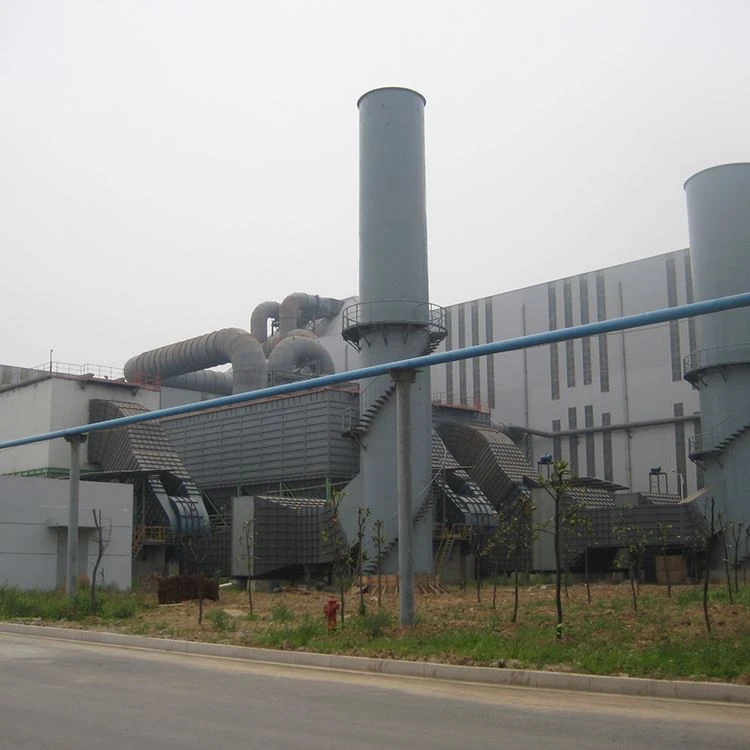
Hey there! As a supplier of Dust Cleaning System for Raw Materials, I've been in the game for quite some time, and I've seen firsthand how crucial a good dust cleaning system is for raw materials. In this blog, I'm gonna break down the key components of such a system, so you can understand what goes into keeping your raw materials clean and your operations running smoothly.
1. Dust Collection Units
The heart of any dust cleaning system is the dust collection unit. This is where all the magic happens, as it's responsible for capturing the dust particles generated during the handling and processing of raw materials. There are several types of dust collection units out there, but the most common ones are baghouses, cyclones, and electrostatic precipitators.
- Baghouses: These are like big, industrial - sized vacuum cleaners. They use fabric bags to filter out the dust from the air. The dirty air is drawn into the baghouse, and as it passes through the bags, the dust particles get trapped on the surface of the bags. Periodically, the bags are cleaned, either by shaking them or using a reverse - air flow. Baghouses are great because they can handle a wide range of dust particle sizes and are relatively efficient. You can check out our Dust Cleaning System for Induction Furnaces which often uses baghouses for effective dust collection.
- Cyclones: Cyclones work on the principle of centrifugal force. The dirty air is spun around inside a cylindrical chamber, and the heavier dust particles are forced to the outer walls of the chamber and then fall into a collection hopper at the bottom. Cyclones are simple, low - cost, and can handle high - volume airflows. However, they are less effective at capturing very fine dust particles.
- Electrostatic Precipitators: These use an electrostatic charge to attract and collect dust particles. The dirty air passes through a series of charged plates or wires, and the dust particles become charged and are then attracted to the oppositely charged collection plates. Electrostatic precipitators are very efficient at capturing fine dust particles, but they are more expensive and require more maintenance compared to baghouses and cyclones. Our Dust Cleaning System for Sinter Plants might incorporate electrostatic precipitators for high - precision dust removal.
2. Air Ducting
Air ducting is like the circulatory system of the dust cleaning system. It's used to transport the dirty air from the source of dust generation to the dust collection unit and then to exhaust the clean air back into the environment. The design of the air ducting is crucial for the overall efficiency of the system.
- Size and Shape: The size of the air ducts needs to be carefully calculated based on the volume of air that needs to be transported and the velocity of the air flow. If the ducts are too small, the air flow will be restricted, and the system won't work effectively. The shape of the ducts also matters. Round ducts are generally more efficient than rectangular ducts because they have less surface area for friction, which means less energy is lost as the air moves through the ducts.
- Material: The material of the air ducts should be durable and resistant to corrosion and abrasion. Common materials used for air ducting include galvanized steel, stainless steel, and fiberglass. The choice of material depends on the type of dust being collected and the environmental conditions.
3. Fans and Blowers
Fans and blowers are what make the air move through the dust cleaning system. They create the necessary pressure and airflow to draw the dirty air into the system and push the clean air out.
- Centrifugal Fans: Centrifugal fans are the most commonly used type of fans in dust cleaning systems. They work by using a rotating impeller to increase the velocity of the air and then convert that velocity into pressure. Centrifugal fans can be designed to handle different air volumes and pressures, making them very versatile.
- Axial Fans: Axial fans are used when a high - volume, low - pressure airflow is required. They work by using a propeller - like blade to move the air in a straight line. Axial fans are often used for exhaust purposes in dust cleaning systems.
4. Control Systems
A good dust cleaning system needs a control system to ensure that it operates efficiently and safely. The control system monitors and regulates various parameters of the system, such as the air flow rate, pressure, and the cleaning cycle of the dust collection unit.

- Automation: Automation is key in modern dust cleaning systems. Automated control systems can adjust the operation of the system based on real - time conditions. For example, if the dust concentration in the air increases, the control system can increase the speed of the fans or adjust the cleaning cycle of the dust collection unit.
- Monitoring Sensors: Monitoring sensors are used to measure different parameters of the system, such as temperature, pressure, and dust concentration. These sensors provide feedback to the control system, which can then make the necessary adjustments.
5. Dust Disposal System
Once the dust has been collected, it needs to be properly disposed of. A good dust disposal system is essential to prevent the re - release of dust into the environment and to ensure compliance with environmental regulations.
- Collection Hoppers: The dust that is collected in the dust collection unit falls into collection hoppers. These hoppers need to be designed to prevent the dust from bridging or clogging. They should also be easy to clean and maintain.
- Conveying Systems: Conveying systems are used to transport the collected dust from the collection hoppers to a storage or disposal area. Common types of conveying systems include screw conveyors, belt conveyors, and pneumatic conveyors.
- Final Disposal: The final disposal of the dust depends on the type of dust. Some dust can be recycled and reused, while others need to be disposed of in a landfill or treated to make them environmentally safe. Our Dust Cleaning System for EAFs has a well - designed dust disposal system to handle the specific dust generated in electric arc furnaces.
Why Choose Our Dust Cleaning System?
We've been in the business of providing dust cleaning systems for raw materials for a long time. Our systems are designed with the latest technology and high - quality components to ensure maximum efficiency and reliability. We understand that every industry has different needs when it comes to dust cleaning, and we can customize our systems to meet your specific requirements.
If you're in the market for a dust cleaning system for your raw materials, don't hesitate to reach out. We'd love to have a chat with you about your needs and see how we can help you keep your operations clean and compliant. Whether you're in the metallurgy industry, mining, or any other industry that deals with raw materials, we've got the expertise and the products to get the job done right.
References
- Perry, R. H., & Green, D. W. (1997). Perry's Chemical Engineers' Handbook. McGraw - Hill.
- Crowl, D. A., & Louvar, J. F. (2002). Chemical Process Safety: Fundamentals with Applications. Prentice Hall.