

Hey there! As a supplier of the Dust Cleaning System for Exhausted Gas Produced By Biomass, I'm super excited to share with you all the ins and outs of the installation requirements for this amazing system.
First off, let's talk about why biomass exhaust gas cleaning is so important. Biomass energy is a great renewable energy source, but when biomass is burned, it releases a bunch of pollutants like dust, particulate matter, and harmful gases. If these aren't properly cleaned, they can cause serious environmental problems and health issues. That's where our Dust Cleaning System for Exhausted Gas Produced By Biomass comes in.
Site Preparation
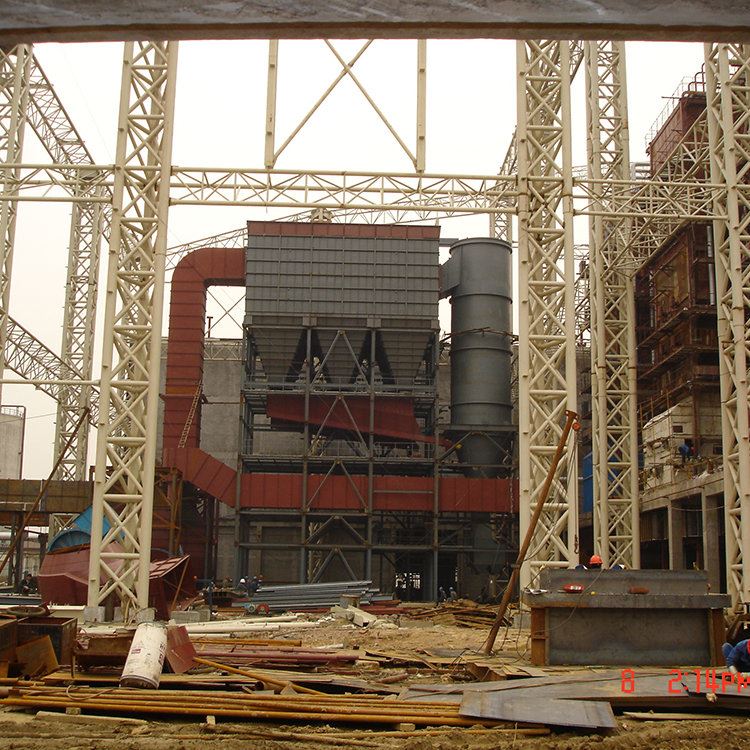
The very first step in installing the dust cleaning system is site preparation. You need to have a suitable location for the system. It should be a flat and stable surface. Uneven ground can cause problems with the installation and long - term operation of the system. The area should also be large enough to accommodate the entire system, including the cleaning equipment, pipes, and any associated control panels.
You'll also need to make sure that the site has proper access for transportation. Since the components of the dust cleaning system can be quite large and heavy, there should be a clear path for trucks to deliver the equipment. This might involve clearing any obstacles or making sure that the roads leading to the site are in good condition.
Power Supply
A reliable power supply is crucial for the operation of the dust cleaning system. You need to know the power requirements of the system in advance. Our systems usually operate on a standard industrial power supply, but the exact voltage and amperage can vary depending on the size and capacity of the system.
Before installation, you should have an electrician check the electrical infrastructure at the site. They need to make sure that the existing power lines can handle the load of the dust cleaning system. If not, you might need to upgrade the electrical system. It's also important to have proper grounding to ensure the safety of the equipment and the operators.
Gas Inlet and Outlet
The connection of the gas inlet and outlet is a key part of the installation. The gas inlet should be connected to the biomass combustion chamber or wherever the exhaust gas is generated. It's important to ensure a tight seal to prevent any gas leakage. You can use high - quality gaskets and sealing materials to achieve this.
The gas outlet, on the other hand, should be connected to the appropriate exhaust stack or further treatment facilities. The diameter and length of the pipes used for the inlet and outlet are also important. They need to be sized correctly to ensure smooth gas flow and efficient operation of the system. If the pipes are too small, it can cause high pressure drops and reduce the cleaning efficiency.
Ventilation
Good ventilation is essential for the installation of the dust cleaning system. The system generates heat during operation, and proper ventilation helps to dissipate this heat. It also helps to prevent the accumulation of any potentially harmful gases that might be released during the cleaning process.
You need to design a ventilation system that can provide sufficient air exchange. This might involve installing fans or vents in the area where the dust cleaning system is located. The ventilation system should be able to remove the hot air and any pollutants from the area and bring in fresh air.
Piping and Ductwork
The piping and ductwork used in the dust cleaning system need to be carefully installed. They should be made of materials that are resistant to corrosion and abrasion, as the exhaust gas from biomass can be quite harsh. Stainless steel is a popular choice for the pipes and ducts because of its durability.
When installing the pipes and ducts, you need to ensure that they are properly supported. They should be hung or mounted securely to prevent any sagging or movement. This is important to maintain the integrity of the system and prevent any leaks. You also need to make sure that the pipes and ducts are properly insulated to reduce heat loss and prevent condensation.
Control System Installation
The control system of the dust cleaning system is like its brain. It allows you to monitor and adjust the operation of the system. The control panel should be installed in a convenient location where operators can easily access it.
During the installation of the control system, you need to connect all the sensors and actuators correctly. The sensors are used to measure parameters like gas flow rate, temperature, and pressure. The actuators are used to control the operation of the cleaning equipment, such as opening and closing valves.

You also need to program the control system according to the specific requirements of your biomass exhaust gas cleaning. This might involve setting up alarms for abnormal conditions, such as high temperature or low gas flow.
Safety Measures
Safety is always a top priority when installing the dust cleaning system. You need to install safety guards around any moving parts of the system, such as fans and motors. These guards prevent operators from accidentally coming into contact with the moving parts, which can cause serious injuries.
There should also be fire - prevention measures in place. Since the exhaust gas from biomass can be flammable, the area around the dust cleaning system should be equipped with fire extinguishers and fire - detection devices.
Commissioning and Testing
After the installation is complete, it's time for commissioning and testing. You need to run a series of tests to make sure that the system is working properly. This includes checking the gas flow rate, the cleaning efficiency, and the operation of the control system.
During the testing phase, you can make any necessary adjustments to the system. For example, if the cleaning efficiency is lower than expected, you might need to adjust the settings of the cleaning equipment or check for any blockages in the pipes.
Comparison with Other Systems
It's worth mentioning how our Dust Cleaning System for Exhausted Gas Produced By Biomass compares with other similar systems, like the Dust Cleaning System for Exhausted Gas Produced By Waste Incineration and the Dust Cleaning System for Exhausted Gas Produced By Hazardous Waste.
Biomass exhaust gas has its own unique characteristics. It usually contains less harmful chemicals compared to waste incineration or hazardous waste exhaust gas, but it can have a high content of particulate matter. Our dust cleaning system for biomass is specifically designed to handle these characteristics. It's more focused on efficient particulate removal while still being able to deal with the small amount of harmful gases in the exhaust.
Why Choose Our System
Our dust cleaning system for biomass has several advantages. Firstly, it's highly efficient. It can remove a large percentage of the dust and particulate matter from the exhaust gas, meeting strict environmental standards. Secondly, it's reliable. We use high - quality components and advanced technology in the manufacturing of our systems, which means less downtime and lower maintenance costs in the long run.
Contact for Purchase
If you're interested in our Dust Cleaning System for Exhausted Gas Produced By Biomass, don't hesitate to reach out. Whether you have more questions about the installation requirements, the system's performance, or you're ready to start the purchasing process, we're here to help. We can provide you with detailed information, customized solutions based on your specific needs, and support throughout the installation and operation of the system.
References
- Biomass Energy Handbook, various authors
- Industrial Dust Cleaning Systems: Principles and Practices, John Smith
- Safety Guidelines for Industrial Equipment Installation, International Safety Standards Organization