

What are the industry standards for a dust cleaning system for induction furnaces?
As a supplier of Dust Cleaning Systems for Induction Furnaces, I've witnessed firsthand the critical role these systems play in maintaining a safe and efficient working environment. Induction furnaces are widely used in various industries, including metal casting and forging, where they generate a significant amount of dust and fumes. These pollutants not only pose a threat to the health of workers but also can cause damage to equipment and the environment. Therefore, understanding the industry standards for dust cleaning systems is essential for both suppliers and users.
Air Quality Standards
One of the primary goals of a dust cleaning system is to ensure that the air quality in the workplace meets the required standards. Different countries and regions have their own regulations regarding air quality, but generally, they set limits on the concentration of particulate matter (PM) and harmful gases in the air. For example, in the United States, the Occupational Safety and Health Administration (OSHA) has established permissible exposure limits (PELs) for various airborne contaminants, including PM. These limits are designed to protect workers from the adverse health effects of long - term exposure to dust and fumes.
A high - quality dust cleaning system for induction furnaces should be able to effectively capture and remove dust particles of different sizes. The system should be capable of reducing the concentration of PM in the air to levels well below the regulatory limits. This often requires the use of advanced filtration technologies, such as bag filters or electrostatic precipitators. Bag filters are commonly used due to their high efficiency in capturing fine dust particles. They work by allowing the contaminated air to pass through a series of fabric bags, where the dust particles are trapped on the surface of the bags.
Efficiency and Performance Standards
In addition to air quality, the efficiency and performance of the dust cleaning system are also important industry standards. The system should be able to handle the large volume of dust and fumes generated by the induction furnace. This means that it needs to have a sufficient air flow rate and suction power. The air flow rate is typically measured in cubic feet per minute (CFM) or cubic meters per hour (m³/h). A well - designed dust cleaning system should be sized appropriately based on the size and capacity of the induction furnace.
The collection efficiency of the system is another crucial performance indicator. It refers to the percentage of dust particles that are successfully captured by the system. High - efficiency systems can achieve collection efficiencies of over 99%. To ensure high collection efficiency, the system should be equipped with proper ductwork and hoods. The hoods should be designed to effectively capture the dust and fumes at the source, while the ductwork should be sized and routed in a way that minimizes pressure losses and ensures smooth air flow.
Safety Standards
Safety is of utmost importance when it comes to dust cleaning systems for induction furnaces. The system should be designed and installed in a way that minimizes the risk of fire and explosion. Dust generated by induction furnaces, especially metal dust, can be highly combustible. Therefore, the dust cleaning system should have appropriate safety features, such as explosion - proof motors, spark arrestors, and fire suppression systems.
The electrical components of the system should also meet relevant safety standards. They should be properly grounded and protected against short - circuits and over - currents. Additionally, the system should be equipped with safety interlocks to prevent operation in case of malfunctions or abnormal conditions.
Maintenance and Durability Standards
A good dust cleaning system should be easy to maintain and have a long service life. Regular maintenance is essential to ensure the continued performance and efficiency of the system. The system should be designed with easy - access panels and components for inspection, cleaning, and replacement. For example, the filter bags in a bag filter system should be easy to remove and replace.

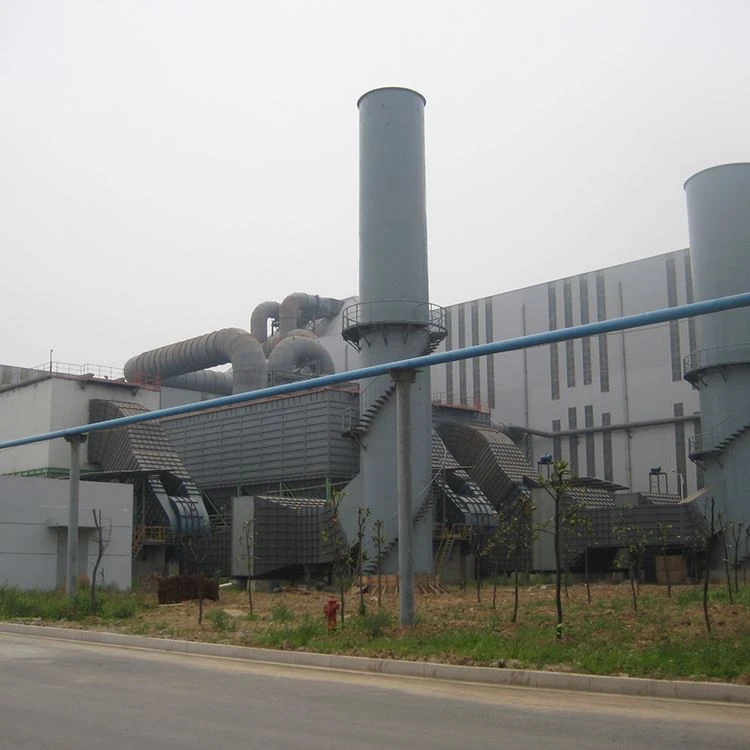
The materials used in the construction of the system should be durable and resistant to corrosion and wear. This is especially important in the harsh environment of an induction furnace facility, where the system may be exposed to high temperatures, chemicals, and abrasive dust. Stainless steel and other high - quality alloys are often used in the construction of critical components to ensure long - term durability.
Comparison with Other Dust Cleaning Systems
While discussing the industry standards for dust cleaning systems for induction furnaces, it's worth comparing them with other similar systems in the metallurgy industry. For example, Dust Cleaning System for Coke Ovens are designed to handle the unique dust and fumes generated in coke oven operations. These systems need to deal with high - temperature gases and a different composition of pollutants compared to induction furnace dust.
Similarly, Dust Cleaning System for Sinter Plants face their own challenges. Sinter plants produce large amounts of dust with a wide range of particle sizes, and the dust may contain heavy metals and other toxic substances. The dust cleaning systems for sinter plants need to be designed to effectively capture and treat these contaminants.
Dust Cleaning System for EAFs (Electric Arc Furnaces) also have distinct requirements. EAFs generate high - energy arcs that produce a significant amount of dust and fumes, including metal oxides and volatile organic compounds. The dust cleaning systems for EAFs need to be able to handle the high - temperature and high - volume air flow associated with these furnaces.
Conclusion and Call to Action
In conclusion, the industry standards for a dust cleaning system for induction furnaces cover a wide range of aspects, including air quality, efficiency, performance, safety, maintenance, and durability. As a supplier, we are committed to providing dust cleaning systems that meet or exceed these standards. Our systems are designed using the latest technologies and high - quality materials to ensure optimal performance and long - term reliability.
If you are in the market for a dust cleaning system for your induction furnace, we invite you to contact us for a detailed consultation. We can help you select the right system based on your specific requirements and ensure that it is installed and maintained properly. Our team of experts is always ready to provide you with the best solutions for your dust - cleaning needs.
References
- Occupational Safety and Health Administration (OSHA). Permissible Exposure Limits (PELs).
- American Society of Heating, Refrigerating and Air - Conditioning Engineers (ASHRAE). Standards for ventilation and air quality in industrial settings.
- International Organization for Standardization (ISO). Standards related to industrial dust collection systems.