

Policy changes play a crucial role in shaping the development of various industries, and the dust cleaning system for exhausted gas produced by hazardous waste is no exception. As a supplier of the Dust Cleaning System for Exhausted Gas Produced By Hazardous Waste, I have witnessed firsthand the significant impacts that policy shifts can have on this sector.
1. Regulatory Pressures and Technological Advancements
One of the most direct impacts of policy changes is the regulatory pressure on the hazardous waste industry. Governments around the world are increasingly tightening environmental regulations to protect public health and the environment. These regulations often set strict limits on the emissions of pollutants from hazardous waste treatment facilities, including particulate matter, heavy metals, and dioxins.
For example, the European Union's Industrial Emissions Directive (IED) sets stringent emission limit values for waste incineration plants, which are major sources of hazardous waste. The directive requires these plants to use state - of - the - art pollution control technologies to meet the emission standards. This has forced waste treatment facilities to upgrade their dust cleaning systems to more advanced and efficient models.
As a supplier, we have had to invest heavily in research and development to keep up with these regulatory requirements. We have developed new technologies such as high - efficiency bag filters and electrostatic precipitators that can capture a wider range of pollutants with higher efficiency. These technological advancements not only help our customers comply with the regulations but also improve the overall performance of their dust cleaning systems.
2. Market Demand and Business Opportunities
Policy changes can also significantly affect the market demand for dust cleaning systems for hazardous waste. When governments introduce stricter environmental policies, waste treatment facilities are required to upgrade or replace their existing dust cleaning systems. This creates a surge in demand for our products.
In addition, some policies offer incentives for waste treatment facilities to adopt more environmentally friendly technologies. For instance, certain governments provide subsidies or tax breaks for companies that invest in clean technologies. These incentives encourage waste treatment facilities to choose more advanced and efficient dust cleaning systems, which in turn benefits us as suppliers.
On the other hand, policy uncertainties can also create challenges for the market. If there are frequent changes in environmental policies or if the policies are not clearly defined, waste treatment facilities may be hesitant to invest in new dust cleaning systems. They may wait for more stable policy conditions, which can lead to a slowdown in the market demand.
3. International Trade and Global Competitiveness
Policy changes at the international level can also have a profound impact on the development of the dust cleaning system industry. International agreements and trade policies can either facilitate or hinder the global trade of dust cleaning systems.
For example, free trade agreements can reduce trade barriers such as tariffs and quotas, making it easier for us to export our products to other countries. This expands our market reach and allows us to compete on a global scale. However, some countries may impose non - tariff barriers, such as strict product certification requirements, which can make it difficult for us to enter their markets.
Moreover, different countries have different environmental policies and standards. This means that we need to adapt our products to meet the specific requirements of each market. For instance, the emission standards in the United States may be different from those in China. We need to ensure that our dust cleaning systems can meet the diverse regulatory requirements of different countries to remain competitive in the global market.
4. Social and Environmental Awareness
Policy changes are often driven by increasing social and environmental awareness. As the public becomes more concerned about the environmental impacts of hazardous waste treatment, governments are under pressure to introduce more stringent environmental policies.
This social and environmental awareness also affects the perception of waste treatment facilities and their dust cleaning systems. Waste treatment facilities are now expected to not only comply with the regulations but also demonstrate their commitment to environmental protection. They need to use dust cleaning systems that are not only effective in reducing emissions but also sustainable in the long run.
As a supplier, we have to take into account these social and environmental expectations. We are now focusing on developing dust cleaning systems that are more energy - efficient and have a lower environmental footprint. For example, we are exploring the use of renewable energy sources in our dust cleaning systems to reduce their carbon emissions.
5. Challenges and Adaptation Strategies
While policy changes bring many opportunities, they also pose significant challenges for us as a supplier. One of the main challenges is the high cost of research and development. Developing new technologies to meet the ever - changing regulatory requirements requires a large amount of capital and human resources.
Another challenge is the need to keep up with the rapid pace of technological change. The field of dust cleaning technology is evolving rapidly, and we need to continuously update our knowledge and skills to stay ahead of the competition.

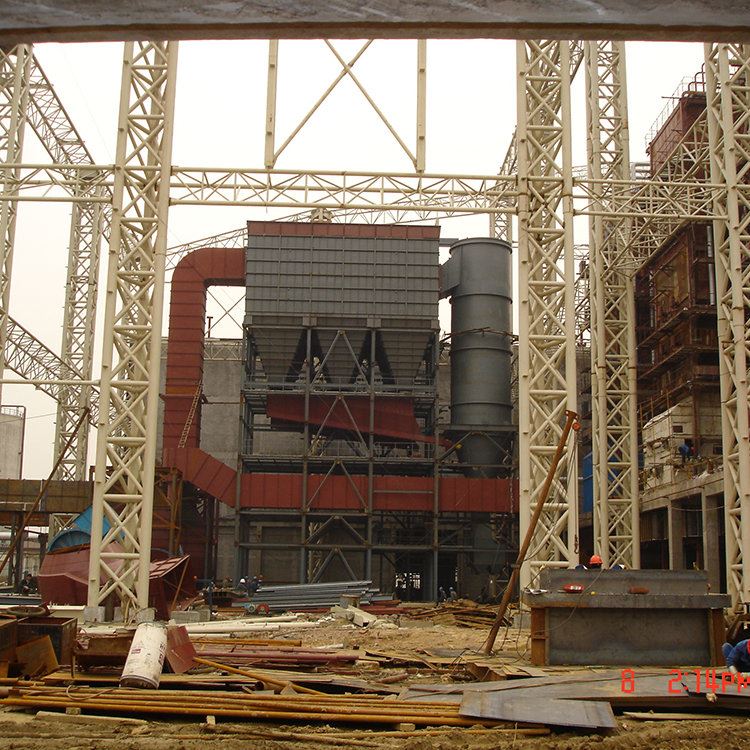
To address these challenges, we have adopted several adaptation strategies. Firstly, we have established strategic partnerships with research institutions and universities. These partnerships allow us to access the latest research findings and collaborate on new technology development projects. Secondly, we have a dedicated R & D team that is constantly monitoring the market trends and regulatory changes. This team is responsible for developing new products and improving the existing ones.
6. Future Outlook
Looking ahead, we expect policy changes to continue to play a major role in the development of the dust cleaning system for hazardous waste. As the global community becomes more committed to environmental protection, we anticipate that environmental regulations will become even stricter in the future.
This will further drive the demand for more advanced and efficient dust cleaning systems. We are also likely to see more policies focused on circular economy and waste - to - energy solutions. These policies will require dust cleaning systems to be more integrated with other waste treatment processes to achieve better resource utilization.
As a supplier, we are well - positioned to take advantage of these future trends. We will continue to invest in research and development to develop innovative solutions that can meet the evolving needs of the market. We also aim to expand our market share both domestically and internationally by providing high - quality products and excellent customer service.
Contact for Purchase and Negotiation
If you are a waste treatment facility looking for a reliable and efficient dust cleaning system for hazardous waste, we are here to help. Our team of experts can provide you with customized solutions based on your specific needs and regulatory requirements. Whether you are upgrading an existing system or building a new waste treatment plant, we have the products and expertise to meet your demands.
Please reach out to us to start a discussion about your project and explore how our Dust Cleaning System for Exhausted Gas Produced By Hazardous Waste can benefit your operations. We look forward to the opportunity to work with you and contribute to a cleaner and safer environment.
References
- European Commission. Industrial Emissions Directive (2010/75/EU).
- World Bank. Environmental Regulations and Their Impact on the Waste Management Industry.
- International Energy Agency. Technology Roadmap for Waste - to - Energy.