

Hey there! As a supplier of the Dust Cleaning System for Exhausted Gas Produced By Waste Incineration, I've seen firsthand how crucial it is to understand the effects of waste mixing ratio on the dust cleaning system. In this blog, I'm gonna break down what you need to know about this relationship and why it matters for your waste incineration operations.
Understanding Waste Mixing Ratio
Let's start by getting clear on what waste mixing ratio is. It's basically the proportion of different types of waste that are combined and fed into an incinerator. You've got all sorts of waste out there - municipal solid waste, industrial waste, hazardous waste, and biomass. Each type has its own unique characteristics, like chemical composition, moisture content, and calorific value.
When you mix these wastes in different ratios, it can have a big impact on the incineration process. For example, if you have too much high - moisture waste in the mix, it can lower the combustion temperature, making it harder to burn the waste efficiently. On the other hand, a high proportion of high - calorific waste can lead to extremely high temperatures, which might damage the incinerator equipment.
How Waste Mixing Ratio Affects Exhaust Gas
The waste mixing ratio directly influences the quality and quantity of the exhaust gas produced during incineration. Different types of waste release different pollutants when burned. Municipal solid waste might contain plastics, paper, and food waste. When burned, plastics can release harmful chemicals like dioxins and furans, while food waste can contribute to higher levels of moisture and organic compounds in the exhaust gas.
Industrial waste can be even more complex. It might include heavy metals, solvents, and other toxic substances. If the ratio of industrial waste in the mix is too high, the exhaust gas will have elevated levels of these hazardous pollutants. Hazardous waste, as the name suggests, is full of dangerous materials. Mixing it inappropriately can result in exhaust gas that is extremely difficult to clean and poses a serious threat to the environment and human health.
Biomass waste, such as wood chips and agricultural residues, burns differently compared to other types of waste. It usually has a relatively low content of heavy metals and other pollutants, but it can produce a lot of particulate matter and volatile organic compounds (VOCs) if not burned properly. So, the ratio of biomass in the waste mix can significantly affect the particulate and VOC levels in the exhaust gas.
Impact on the Dust Cleaning System
Now, let's talk about how all this affects the dust cleaning system. The dust cleaning system is designed to remove particulate matter, pollutants, and other harmful substances from the exhaust gas before it's released into the atmosphere. But when the waste mixing ratio changes, it throws a curveball at the system.
Particulate Matter Loading
One of the most obvious effects is on the particulate matter loading. Different waste mixes produce different amounts and sizes of particulate matter. For instance, a mix with a high proportion of biomass waste might generate a large amount of fine particulate matter. If the dust cleaning system is not designed to handle this high - volume, fine - particle load, it can quickly become overwhelmed.
The filters in the dust cleaning system can clog up faster, reducing the system's efficiency and increasing the pressure drop across the filters. This means the system has to work harder to maintain the required airflow, which can lead to higher energy consumption and more frequent filter replacements.
Chemical Corrosion
The chemical composition of the exhaust gas, which is influenced by the waste mixing ratio, can also cause corrosion in the dust cleaning system. High levels of acidic gases, such as sulfur dioxide (SO₂) and hydrochloric acid (HCl), are common in the exhaust gas from waste incineration. If the waste mix contains a large amount of waste that releases these acidic gases, the internal components of the dust cleaning system, like pipes, ducts, and filters, can corrode over time.
Corrosion not only shortens the lifespan of the equipment but also reduces its effectiveness. For example, a corroded filter might have holes or weakened areas, allowing pollutants to pass through and escape into the atmosphere.
Adsorption and Reaction Efficiency
Many dust cleaning systems use adsorption and chemical reaction processes to remove pollutants from the exhaust gas. The waste mixing ratio affects the types and concentrations of pollutants, which in turn impacts the efficiency of these processes.
For example, if the exhaust gas has a high concentration of a particular pollutant due to an imbalanced waste mix, the adsorbent materials in the system might become saturated more quickly. This means they won't be able to capture as many pollutants as they should, and the overall cleaning efficiency will decline.
Case Studies
Let's look at a couple of real - world examples to illustrate these points. A waste incineration plant that mainly dealt with municipal solid waste decided to start accepting a small amount of industrial waste. They didn't adjust the waste mixing ratio carefully and ended up with a higher proportion of heavy metals in the exhaust gas than their dust cleaning system was designed to handle.
The heavy metals started to accumulate on the filters, reducing their effectiveness. The plant had to shut down the dust cleaning system more frequently for maintenance and filter replacements, which led to increased operating costs and downtime.
On the other hand, a plant that carefully optimized its waste mixing ratio to include a certain amount of biomass waste found that it could improve the overall combustion efficiency. The biomass waste helped to maintain a stable combustion temperature, and the exhaust gas had a more manageable level of pollutants. As a result, the dust cleaning system could operate more efficiently, with lower energy consumption and less frequent maintenance.
Importance of Monitoring and Adjusting Waste Mixing Ratio
Given all these effects, it's clear that monitoring and adjusting the waste mixing ratio is crucial for the proper functioning of the dust cleaning system. By regularly analyzing the waste composition and adjusting the mix, you can ensure that the exhaust gas has a consistent quality and quantity of pollutants.

There are various tools and techniques available for monitoring waste composition, such as chemical analysis and online sensors. These can help you keep track of the key parameters and make informed decisions about waste mixing.
Our Solutions
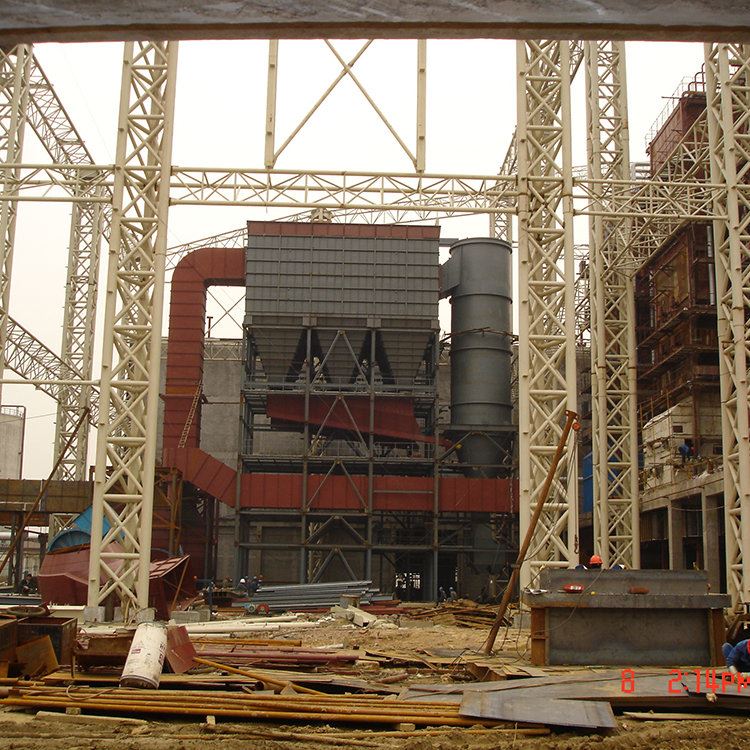
As a supplier of the Dust Cleaning System for Exhausted Gas Produced By Waste Incineration, we offer systems that are designed to be flexible and adaptable. Our systems can handle a wide range of waste mixing ratios and exhaust gas conditions.
We also provide Dust Cleaning System for Exhausted Gas Produced By Hazardous Waste and Dust Cleaning System for Exhausted Gas Produced By Biomass. These specialized systems are tailored to the unique challenges posed by different types of waste. For example, our hazardous waste dust cleaning system is built with corrosion - resistant materials and advanced filtration technologies to handle the high - risk pollutants.
Contact Us for Procurement
If you're in the market for a reliable dust cleaning system for your waste incineration operations, we'd love to hear from you. Whether you're dealing with a specific type of waste or a complex waste mix, our team of experts can help you find the right solution. We'll work with you to understand your needs, assess your waste characteristics, and recommend the most suitable system for your situation. So, don't hesitate to reach out and start the procurement discussion.
References
- Smith, J. (2020). The Impact of Waste Composition on Incineration Processes. Journal of Waste Management, 15(2), 45 - 56.
- Johnson, A. (2019). Dust Cleaning Technologies for Waste Incineration Exhaust Gas. Environmental Science Review, 8(3), 78 - 90.
- Brown, C. (2021). Optimizing Waste Mixing Ratios for Efficient Incineration. Waste Management Journal, 22(1), 112 - 125.