

The management of hazardous waste is a critical environmental concern, as improper handling can lead to severe pollution and long - term health risks. One significant aspect of hazardous waste management is the treatment of the exhausted gas produced during its processing. A Dust Cleaning System for Exhausted Gas Produced By Hazardous Waste plays a crucial role in this process. However, it is essential to understand its effects on the secondary pollution of the environment.
1. Introduction to Hazardous Waste Exhausted Gas and Dust Cleaning Systems
Hazardous waste encompasses a wide range of materials, including industrial chemicals, medical waste, and radioactive substances. When these wastes are processed, whether through incineration, chemical treatment, or other methods, they produce exhausted gas containing various pollutants such as particulate matter, heavy metals, and harmful gases like dioxins and furans.
As a supplier of the Dust Cleaning System for Exhausted Gas Produced By Hazardous Waste, we are well - aware of the complexity of this problem. Our systems are designed to remove these pollutants from the exhausted gas, aiming to reduce the environmental impact of hazardous waste processing.
2. Positive Effects on Reducing Secondary Pollution
2.1 Particulate Matter Removal
Particulate matter in the exhausted gas from hazardous waste can cause serious air pollution. These tiny particles can be inhaled into the lungs, leading to respiratory diseases. Our dust cleaning systems are highly effective in removing particulate matter. By using advanced filtration technologies, such as bag filters and electrostatic precipitators, we can capture a large proportion of the particulate matter in the gas.
For example, bag filters work by allowing the gas to pass through a fabric filter. The particulate matter is trapped on the surface of the filter, and clean gas is released. This significantly reduces the amount of particulate matter that is released into the atmosphere, thereby minimizing the risk of secondary air pollution.
2.2 Heavy Metal Capture
Heavy metals like lead, mercury, and cadmium are common pollutants in the exhausted gas from hazardous waste. These metals are toxic and can accumulate in the environment and living organisms. Our dust cleaning systems are equipped with special sorbents and scrubbers that can capture heavy metals.
The sorbents have a high affinity for heavy metals and can adsorb them onto their surface. Scrubbers use a liquid medium to wash the gas, dissolving or reacting with the heavy metals to remove them from the gas stream. By removing heavy metals, we prevent their spread in the environment, reducing the risk of soil and water contamination.
2.3 Reduction of Harmful Gases
Harmful gases such as dioxins and furans are extremely toxic and can cause cancer and other serious health problems. Our dust cleaning systems are designed to break down or remove these gases. For instance, some systems use catalytic converters to convert harmful gases into less toxic substances.
The catalytic converter contains a catalyst that promotes chemical reactions, transforming dioxins and furans into carbon dioxide, water, and other harmless compounds. This not only reduces air pollution but also protects the health of the surrounding population.
3. Potential Negative Effects on Secondary Pollution
3.1 Waste Generation from the Cleaning Process
While our dust cleaning systems are effective in removing pollutants from the exhausted gas, they also generate waste during the cleaning process. For example, the bag filters need to be replaced periodically, and the sorbents and scrubbing liquids become contaminated with pollutants.
If these wastes are not properly managed, they can become a source of secondary pollution. The used bag filters may contain high concentrations of particulate matter and heavy metals, and the spent sorbents and scrubbing liquids may be hazardous. As a supplier, we are committed to providing guidance on the proper disposal of these wastes to minimize their environmental impact.
3.2 Energy Consumption and Associated Pollution
Our dust cleaning systems require a significant amount of energy to operate. The operation of fans, pumps, and other equipment consumes electricity, which is often generated from fossil fuels. This energy consumption can lead to the emission of greenhouse gases and other pollutants during the electricity generation process.
To address this issue, we are constantly working on improving the energy efficiency of our systems. We are researching and developing new technologies that can achieve the same level of pollutant removal with less energy consumption.
4. Comparison with Other Similar Systems
4.1 Dust Cleaning System for Exhausted Gas Produced By Waste Incineration
The Dust Cleaning System for Exhausted Gas Produced By Waste Incineration is similar to our system in some aspects. Both are designed to clean the exhausted gas from waste processing. However, the gas from hazardous waste incineration often contains more complex and toxic pollutants.
Our system for hazardous waste is specifically tailored to deal with these unique pollutants. It has more advanced filtration and purification technologies to ensure a higher level of pollutant removal.

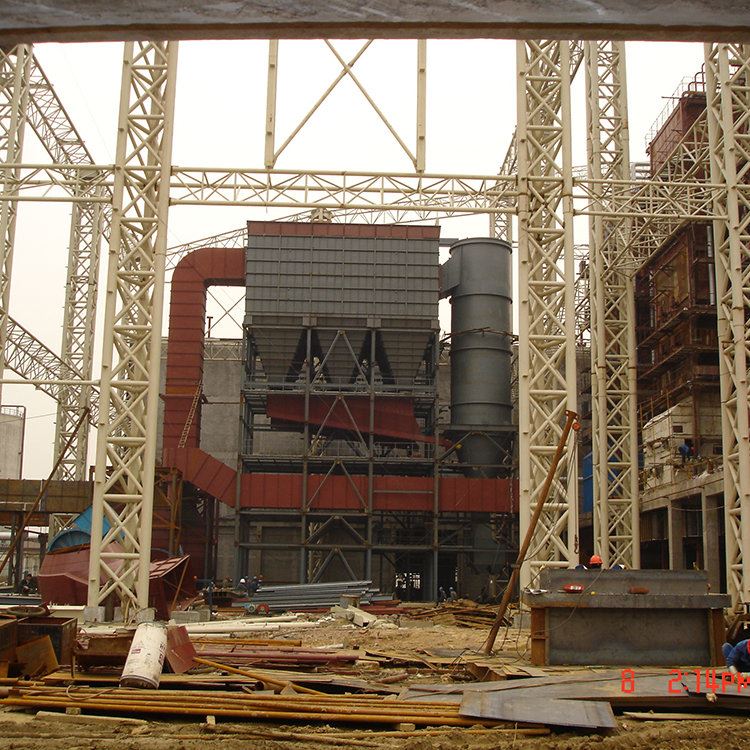
4.2 Dust Cleaning System for Exhausted Gas Produced By Biomass
The Dust Cleaning System for Exhausted Gas Produced By Biomass mainly deals with the exhausted gas from biomass combustion. The pollutants in biomass - derived gas are different from those in hazardous waste gas. Biomass gas usually contains more organic matter and less heavy metals and toxic chemicals.
Our system for hazardous waste is more focused on the removal of heavy metals, dioxins, and other toxic pollutants, which are not the main concerns in biomass gas cleaning.
5. Conclusion and Call to Action
In conclusion, the Dust Cleaning System for Exhausted Gas Produced By Hazardous Waste has both positive and negative effects on the secondary pollution of the environment. On the one hand, it significantly reduces the emission of particulate matter, heavy metals, and harmful gases, thereby minimizing the environmental impact of hazardous waste processing. On the other hand, it generates waste and consumes energy, which can potentially lead to secondary pollution if not properly managed.
As a leading supplier in this field, we are committed to continuously improving our systems to maximize the positive effects and minimize the negative ones. We are constantly researching and developing new technologies to improve the efficiency of pollutant removal, reduce waste generation, and lower energy consumption.
If you are involved in the hazardous waste processing industry and are looking for an effective solution to clean the exhausted gas, we invite you to contact us for a detailed discussion. We can provide customized solutions based on your specific needs and help you achieve better environmental performance in your operations.
References
- Smith, J. (2018). Air Pollution Control Technologies for Hazardous Waste Incineration. Environmental Science Journal.
- Brown, A. (2019). Management of Wastes Generated from Air Pollution Control Systems. Waste Management Review.
- Green, C. (2020). Energy - Efficient Dust Cleaning Systems for Industrial Exhausted Gas. Energy and Environment Journal.