

What are the corrosion - prevention measures for a dust cleaning system for blast furnaces?
As a trusted supplier of the Dust Cleaning System for Blast Furnaces, I understand the critical importance of corrosion prevention in these systems. Blast furnace dust cleaning systems operate in harsh environments, exposed to high - temperature gases, abrasive particles, and corrosive substances. Corrosion can significantly reduce the efficiency and lifespan of the system, leading to increased maintenance costs and potential production disruptions. In this blog, I will discuss some effective corrosion - prevention measures for blast furnace dust cleaning systems.
1. Material Selection
The first step in corrosion prevention is choosing the right materials for the construction of the dust cleaning system. Different components of the system, such as ducts, filters, and collectors, may require different materials based on their specific functions and the nature of the corrosive agents they will encounter.

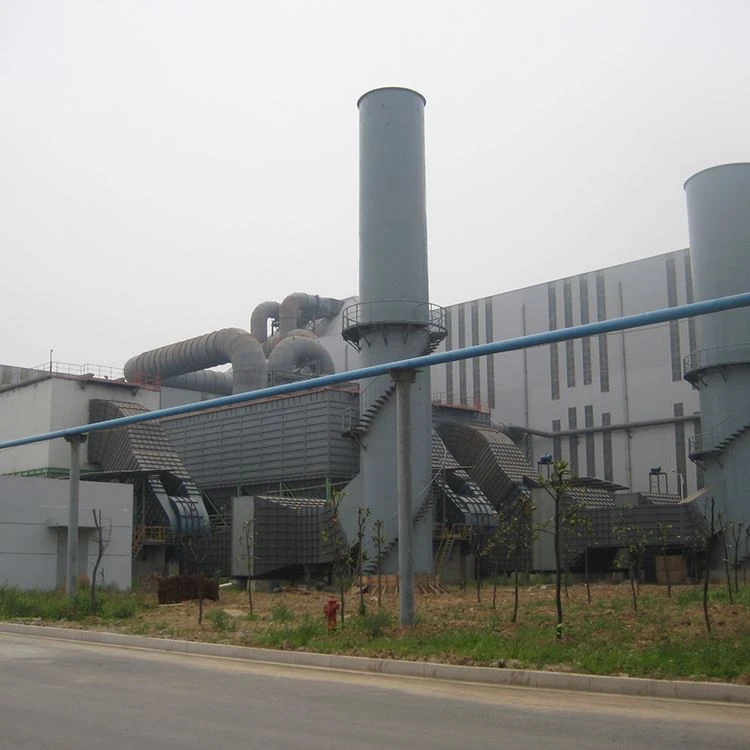
- Stainless Steel: Stainless steel is a popular choice for many parts of the dust cleaning system due to its excellent corrosion resistance. It contains chromium, which forms a passive oxide layer on the surface, protecting the metal from further corrosion. For example, stainless steel 304 and 316 are commonly used in areas where the system is exposed to moisture and mild corrosive gases. In the ducts of the dust cleaning system, stainless steel can withstand the acidic and alkaline substances present in the blast furnace gases.
- Fiber - Reinforced Plastics (FRP): FRP materials are lightweight, strong, and highly resistant to corrosion. They are often used for components such as fan housings and some types of filters. FRP can be customized to meet specific design requirements and can withstand a wide range of chemical environments. The use of FRP in the dust cleaning system can reduce the weight of the equipment, making installation and maintenance easier.
- Coated Carbon Steel: In some cases, carbon steel can be coated with anti - corrosion paints or coatings to enhance its corrosion resistance. Epoxy coatings, for instance, can provide a barrier between the steel and the corrosive environment. This is a cost - effective solution for components that do not require the high - end corrosion resistance of stainless steel but still need protection.
2. Surface Treatment
Surface treatment is another important aspect of corrosion prevention. It can improve the surface properties of the materials, making them more resistant to corrosion.
- Galvanizing: Galvanizing is a process of coating steel with a layer of zinc. The zinc acts as a sacrificial anode, corroding in place of the steel. This is a common surface treatment for steel components in the dust cleaning system, such as structural supports and some types of fasteners. Galvanized steel can provide long - term corrosion protection, especially in outdoor or humid environments.
- Passivation: Passivation is a chemical treatment that removes free iron from the surface of stainless steel and enhances the formation of the passive oxide layer. This process can improve the corrosion resistance of stainless steel components, making them more durable in the harsh environment of the blast furnace dust cleaning system. After passivation, the stainless steel surfaces are more resistant to pitting and crevice corrosion.
3. Design Considerations
Proper design of the dust cleaning system can also play a crucial role in preventing corrosion.
- Drainage Design: Ensuring proper drainage in the system is essential to prevent the accumulation of water and corrosive liquids. For example, ducts should be sloped to allow any condensed water to flow out easily. In the collectors, drainage holes can be designed to remove any liquid that may collect at the bottom. This helps to avoid the formation of stagnant water, which can accelerate corrosion.
- Avoiding Crevices and Sharp Corners: Crevices and sharp corners can trap moisture and corrosive substances, leading to localized corrosion. The design of the dust cleaning system should aim to minimize these areas. Smooth, rounded surfaces are preferred, and joints should be designed to prevent the formation of crevices. For example, in the construction of the filter housing, seamless welding techniques can be used to eliminate potential crevice corrosion sites.
- Ventilation and Airflow: Good ventilation and proper airflow within the system can help to reduce humidity and prevent the buildup of corrosive gases. Adequate ventilation can also ensure that any corrosive substances are quickly removed from the system. For instance, fans can be installed to maintain a constant airflow, preventing the formation of stagnant pockets of air where corrosion can occur.
4. Maintenance and Inspection
Regular maintenance and inspection are vital for the long - term corrosion prevention of the blast furnace dust cleaning system.
- Visual Inspection: Visual inspections should be carried out regularly to detect any signs of corrosion, such as rust spots, discoloration, or surface damage. This can help to identify potential problems early and take corrective actions before the corrosion becomes severe. Inspectors should check all components of the system, including ducts, filters, and collectors.
- Cleaning: Keeping the system clean is an important part of corrosion prevention. Dust and debris can accumulate on the surfaces of the components, creating a moist and corrosive environment. Regular cleaning can remove these contaminants and prevent the formation of corrosion. For example, filters should be cleaned or replaced regularly to ensure proper airflow and prevent the buildup of corrosive substances.
- Repair and Replacement: If any signs of corrosion are detected during the inspection, immediate repair or replacement of the affected components should be carried out. This can prevent the corrosion from spreading to other parts of the system and ensure the continued operation of the dust cleaning system. For instance, if a section of the duct is corroded, it should be repaired or replaced as soon as possible.
5. Environmental Control
Controlling the operating environment of the dust cleaning system can also help to prevent corrosion.
- Temperature and Humidity Control: High temperatures and humidity can accelerate corrosion. By controlling the temperature and humidity within the system, the corrosion rate can be reduced. For example, in areas where the system is located, air - conditioning or dehumidification equipment can be used to maintain a stable environment.
- Gas Treatment: Treating the blast furnace gases before they enter the dust cleaning system can remove some of the corrosive substances. For example, desulfurization and de - nitrification processes can reduce the sulfur and nitrogen oxides in the gases, which are major contributors to corrosion. This can extend the lifespan of the dust cleaning system and improve its performance.
In addition to the dust cleaning system for blast furnaces, we also offer Dust Cleaning System for Raw Materials and Dust Cleaning System for EAFs. These systems are designed to meet the specific dust - cleaning needs in different metallurgical processes.
If you are interested in our high - quality dust cleaning systems or have any questions about corrosion prevention, we welcome you to contact us for further discussion and potential procurement. Our team of experts is ready to provide you with the best solutions tailored to your specific requirements.
References
- Fontana, M. G. (1986). Corrosion Engineering. McGraw - Hill.
- Schütz, W. (2000). Corrosion Control in Metallic Materials. Wiley - VCH.
- ASM Handbook Committee. (2003). ASM Handbook, Volume 13A: Corrosion: Fundamentals, Testing, and Protection. ASM International.