

In the modern era, waste incineration has emerged as a crucial method for waste management, offering solutions to the ever - growing problem of waste disposal. As a supplier of Dust Cleaning System for Exhausted Gas Produced By Waste Incineration, I have witnessed firsthand the importance of effective cooperation between waste incineration plants and dust cleaning system suppliers. This blog post will explore the various cooperation models that exist in this domain.
Traditional Purchase Model
The most straightforward cooperation model is the traditional purchase model. In this model, waste incineration plants identify their dust cleaning needs based on the scale of their operations, the type of waste they incinerate, and the environmental regulations they need to comply with. They then approach dust cleaning system suppliers like us to purchase the required equipment.
Waste incineration plants typically issue a request for proposal (RFP), detailing their specifications, such as the required capacity of the dust cleaning system, the efficiency levels, and the expected lifespan of the equipment. As a supplier, we respond to these RFPs with detailed proposals, including product descriptions, technical specifications, pricing, and delivery schedules.
Once a waste incineration plant selects our proposal, we enter into a purchase contract. The contract includes terms and conditions regarding the price, payment schedule, delivery time, installation, and after - sales service. For example, we might agree to deliver the dust cleaning system within a specified time frame, install it at the incineration plant, and provide a certain period of warranty for the equipment.
The advantage of this model is its simplicity. Waste incineration plants have full control over the purchasing decision, and they can compare different suppliers to get the best value for their money. However, this model also has some limitations. For instance, waste incineration plants may lack the technical expertise to fully evaluate the long - term performance and maintenance requirements of the dust cleaning systems.
Long - term Service Agreement Model
Another common cooperation model is the long - term service agreement (LTSA). Under this model, instead of just selling the dust cleaning system, we enter into a long - term contract with the waste incineration plant to provide comprehensive dust cleaning services.
The scope of services in an LTSA can be quite extensive. It may include the design, installation, operation, and maintenance of the dust cleaning system. We take on the responsibility of ensuring that the system operates at optimal efficiency throughout the contract period. This means regularly monitoring the system, conducting preventive maintenance, and making necessary repairs in a timely manner.
For waste incineration plants, an LTSA offers several benefits. Firstly, it reduces their operational risks. Since we are responsible for the proper functioning of the dust cleaning system, they don't have to worry about potential breakdowns or non - compliance with environmental regulations. Secondly, it allows them to focus on their core business of waste incineration, rather than dealing with the technical aspects of dust cleaning.
From our perspective as a supplier, an LTSA provides a stable and predictable revenue stream. We can plan our resources more effectively, knowing that we have a long - term commitment from the waste incineration plant. However, this model also requires us to have a high level of technical expertise and a well - established service network to ensure that we can meet the service requirements throughout the contract period.
Joint Development Model
In some cases, waste incineration plants and dust cleaning system suppliers may engage in a joint development model. This model is particularly suitable when the waste incineration plant has unique dust cleaning requirements that cannot be met by off - the - shelf products.
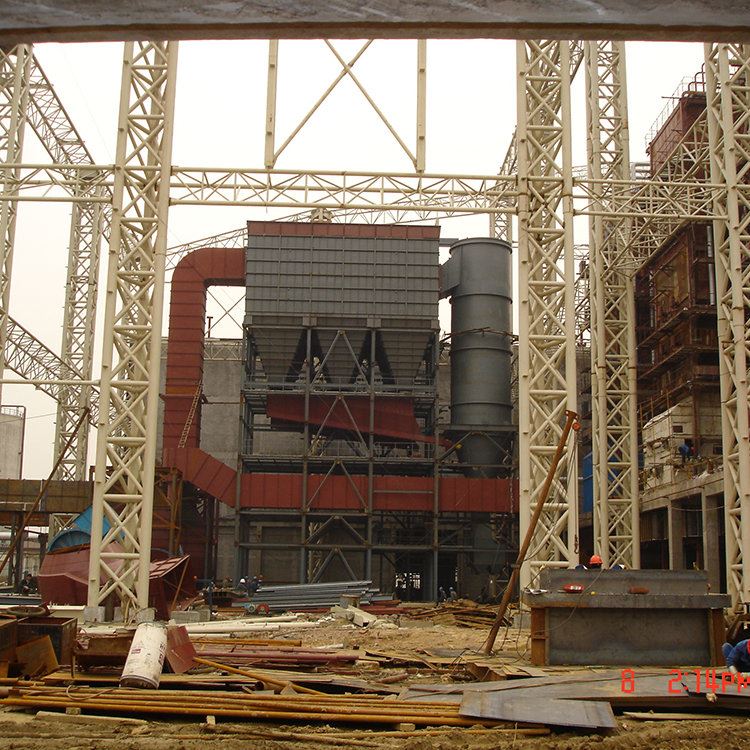

For example, if a waste incineration plant is dealing with a new type of waste that produces unique exhaust gas characteristics, they may approach us to develop a customized dust cleaning system. In this model, we work closely with the waste incineration plant's technical team. We conduct joint research and development (R&D) activities to understand the specific challenges and develop innovative solutions.
The joint development process typically starts with a feasibility study. We assess the technical and economic viability of developing a new dust cleaning system. If the feasibility study is positive, we then enter into a joint R&D agreement, which defines the rights and responsibilities of both parties. We share the costs and risks associated with the R&D project, and we also agree on how the intellectual property rights of the developed technology will be shared.
Once the new dust cleaning system is developed, we may enter into a separate commercialization agreement. This could involve us selling the technology to the waste incineration plant or jointly marketing the product to other potential customers in the industry.
The joint development model allows for the creation of cutting - edge dust cleaning solutions that are tailored to the specific needs of the waste incineration plant. It also promotes innovation in the industry. However, it requires a high level of trust and collaboration between the two parties, as well as significant investment in R&D.
Leasing Model
The leasing model is another option for cooperation between waste incineration plants and dust cleaning system suppliers. In this model, instead of purchasing the dust cleaning system outright, the waste incineration plant leases the equipment from us for a specified period.
Leasing offers several advantages for waste incineration plants. Firstly, it reduces the upfront capital expenditure. They can start using the dust cleaning system without having to make a large initial investment. Secondly, it provides flexibility. At the end of the lease term, they can choose to renew the lease, upgrade to a newer model, or return the equipment.
As a supplier, leasing allows us to reach a wider market, especially those waste incineration plants that may not have the financial resources to purchase the equipment. It also gives us the opportunity to maintain a long - term relationship with the customer, as we can offer additional services such as equipment upgrades during the lease period.
However, the leasing model also has some challenges. We need to carefully assess the creditworthiness of the waste incineration plant to ensure that they can make the lease payments on time. Additionally, we need to have a proper system in place for the return and disposal of the equipment at the end of the lease term.
Conclusion
In conclusion, there are several cooperation models between waste incineration plants and dust cleaning system suppliers, each with its own advantages and limitations. The choice of model depends on various factors, such as the financial situation of the waste incineration plant, its technical expertise, and its long - term business goals.
As a leading supplier of Dust Cleaning System for Exhausted Gas Produced By Waste Incineration, we are committed to providing the most suitable solutions for our customers. Whether it's through a traditional purchase, a long - term service agreement, joint development, or leasing, we strive to build strong and mutually beneficial partnerships with waste incineration plants.
If you are a waste incineration plant looking for a reliable dust cleaning system solution, we encourage you to contact us. We have the expertise and experience to design and implement the most effective dust cleaning systems for your specific needs. You can also explore our other products, such as the Dust Cleaning System for Exhausted Gas Produced By Hazardous Waste and the Dust Cleaning System for Exhausted Gas Produced By Biomass. Let's start a conversation about how we can work together to achieve your waste management and environmental goals.
References
- "Waste Incineration Technology and Environmental Impact" - A comprehensive study on waste incineration processes and the importance of dust cleaning systems.
- "Best Practices in Supplier - Customer Cooperation in the Environmental Technology Industry" - Research on different cooperation models between suppliers and customers in the environmental technology sector.