

As a supplier of Dust Cleaning Systems for Raw Materials, I've witnessed firsthand the crucial role that communication interfaces play in the efficient operation of these systems. In this blog, I'll delve into the various communication interfaces used in raw material dust cleaning systems, exploring their functions, benefits, and how they contribute to overall system performance.

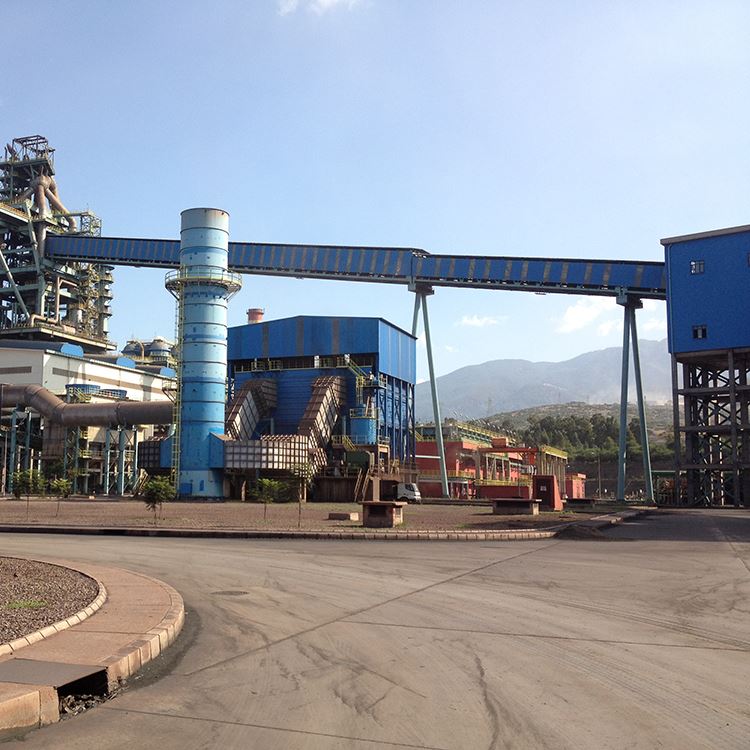
The Importance of Communication Interfaces in Dust Cleaning Systems
Before we dive into the specific communication interfaces, it's essential to understand why they are so important in dust cleaning systems for raw materials. These systems are often complex, involving multiple components such as dust collectors, fans, filters, and control panels. Effective communication between these components is crucial for ensuring that the system operates smoothly, efficiently, and safely.
Communication interfaces allow different parts of the dust cleaning system to exchange information, such as sensor readings, status updates, and control commands. This information sharing enables the system to respond quickly to changing conditions, optimize performance, and prevent potential issues before they escalate.
Types of Communication Interfaces
There are several types of communication interfaces commonly used in dust cleaning systems for raw materials. Each interface has its own unique characteristics, advantages, and limitations, and the choice of interface depends on various factors such as the system's requirements, the distance between components, and the level of complexity.
1. Serial Communication
Serial communication is one of the most basic and widely used communication interfaces in industrial applications. It involves the transmission of data one bit at a time over a single communication line. Serial communication is simple, reliable, and cost-effective, making it a popular choice for connecting sensors, actuators, and other devices in dust cleaning systems.
One of the most common serial communication protocols used in dust cleaning systems is RS-485. RS-485 is a balanced transmission standard that allows for long-distance communication and supports multiple devices on the same communication line. It is commonly used for connecting dust collectors, fans, and control panels, enabling them to exchange data and control signals.
2. Ethernet Communication
Ethernet is a widely used communication protocol in industrial automation and networking. It offers high-speed data transfer, reliability, and scalability, making it suitable for connecting large and complex dust cleaning systems. Ethernet communication allows different components of the system to be connected to a local area network (LAN) or a wide area network (WAN), enabling remote monitoring and control.
In dust cleaning systems, Ethernet communication is often used for connecting programmable logic controllers (PLCs), human-machine interfaces (HMIs), and other intelligent devices. These devices can communicate with each other over the network, allowing for centralized control and monitoring of the system. For example, a PLC can receive sensor data from various parts of the system, analyze the data, and send control commands to the fans and dust collectors based on the analysis.
3. Wireless Communication
Wireless communication is becoming increasingly popular in industrial applications, including dust cleaning systems for raw materials. Wireless communication offers several advantages over wired communication, such as flexibility, mobility, and ease of installation. It allows devices to be connected without the need for physical cables, making it ideal for applications where wiring is difficult or impractical.
There are several wireless communication technologies available for dust cleaning systems, including Wi-Fi, Bluetooth, and ZigBee. Wi-Fi is a high-speed wireless networking technology that offers long-range communication and is commonly used for connecting devices to a local area network. Bluetooth is a short-range wireless technology that is often used for connecting mobile devices, such as smartphones and tablets, to the dust cleaning system for monitoring and control. ZigBee is a low-power wireless technology that is suitable for connecting sensors and other low-power devices in the system.
4. Modbus Communication
Modbus is a serial communication protocol that is widely used in industrial automation for connecting devices such as PLCs, HMIs, and sensors. It is a simple and open protocol that allows for easy communication between different devices, regardless of their manufacturer or type. Modbus communication is commonly used in dust cleaning systems for connecting the control panel to the various components of the system, such as the dust collectors, fans, and filters.
Modbus communication uses a master-slave architecture, where the master device (usually a PLC or an HMI) sends requests to the slave devices (such as sensors and actuators) and receives responses from them. The master device can read and write data from and to the slave devices, allowing for real-time monitoring and control of the system.
Benefits of Using Communication Interfaces in Dust Cleaning Systems
The use of communication interfaces in dust cleaning systems for raw materials offers several benefits, including:
1. Improved Efficiency
By enabling real-time communication between different components of the system, communication interfaces allow for more efficient operation of the dust cleaning system. For example, the control panel can receive sensor data from the dust collectors and fans, analyze the data, and adjust the operation of the system accordingly. This can help to optimize the performance of the system, reduce energy consumption, and improve the overall efficiency of the raw material processing.
2. Remote Monitoring and Control
Communication interfaces such as Ethernet and wireless communication allow for remote monitoring and control of the dust cleaning system. This means that operators can monitor the system's performance, receive alerts, and send control commands from anywhere, at any time. Remote monitoring and control can help to improve the responsiveness of the system, reduce downtime, and increase productivity.
3. Predictive Maintenance
Communication interfaces enable the collection and analysis of data from various sensors in the dust cleaning system. This data can be used to detect potential issues before they occur, allowing for proactive maintenance and repair. For example, by monitoring the pressure and temperature sensors in the dust collectors, operators can detect signs of clogging or overheating and take corrective action before the system fails.
4. Integration with Other Systems
Communication interfaces allow the dust cleaning system to be integrated with other systems in the raw material processing plant, such as the production line, the quality control system, and the inventory management system. This integration can help to improve the overall efficiency and productivity of the plant by enabling seamless data flow and coordination between different systems.
Examples of Dust Cleaning Systems with Communication Interfaces
To illustrate the practical application of communication interfaces in dust cleaning systems for raw materials, let's take a look at some examples of specific systems:
1. Dust Cleaning System for Sinter Plants
In a sinter plant, the dust cleaning system plays a crucial role in removing dust and pollutants from the sintering process. The system typically consists of multiple dust collectors, fans, and filters, which are connected to a control panel using communication interfaces such as RS-485 and Ethernet. The control panel receives sensor data from the dust collectors and fans, analyzes the data, and adjusts the operation of the system to ensure efficient dust removal.
2. Dust Cleaning System for Blast Furnaces
In a blast furnace, the dust cleaning system is used to remove dust and particulate matter from the hot gases generated during the ironmaking process. The system usually includes high-temperature dust collectors, fans, and heat exchangers, which are connected to a central control system using communication interfaces. The control system monitors the temperature, pressure, and flow rate of the gases, and adjusts the operation of the system to optimize dust removal and energy efficiency.
3. Dust Cleaning System for Coke Ovens
In a coke oven plant, the dust cleaning system is responsible for removing dust and pollutants from the coke production process. The system typically consists of multiple dust collectors, scrubbers, and fans, which are connected to a control panel using communication interfaces. The control panel receives data from the sensors in the system, such as the dust concentration sensors and the pressure sensors, and sends control commands to the fans and scrubbers to ensure effective dust removal.
Conclusion
Communication interfaces play a crucial role in the efficient operation of dust cleaning systems for raw materials. They enable different components of the system to communicate with each other, exchange information, and work together to achieve the desired performance. By choosing the right communication interfaces and integrating them effectively into the system, operators can improve the efficiency, reliability, and productivity of the dust cleaning system.
If you are interested in learning more about our Dust Cleaning Systems for Raw Materials or have any questions about the communication interfaces used in our systems, please feel free to contact us for a procurement discussion. We are committed to providing high-quality dust cleaning solutions that meet your specific needs and requirements.
References
- "Industrial Communication Technology Handbook" by David G. Messina
- "Automation, Control, and Instrumentation in the Process Industries" by Andrew P. Sage and James B. Armstrong
- "Wireless Sensor Networks: A Systems Perspective" by Ingmar Schick and Uwe D. Hanebeck