

Hey there! As a supplier of the Dust Cleaning System for Exhausted Gas Produced By Biomass, I've seen firsthand the ins and outs of these systems. Today, I'm gonna share with you some of the common problems that can pop up in biomass exhaust gas dust cleaning systems.
1. Clogging Issues
One of the most frequent headaches we deal with is clogging. Biomass exhaust gas often contains a variety of particulate matter, like ash, char, and unburned biomass fragments. These particles can accumulate in different parts of the dust cleaning system.
For example, in the filters of our Dust Cleaning System for Exhausted Gas Produced By Biomass, over time, the pores of the filter media can get blocked. This reduces the airflow through the system, making it less efficient at capturing dust. When the airflow is restricted, the pressure drop across the filter increases. You might notice that the system has to work harder, consuming more energy to maintain the same level of performance.
The clogging can also occur in the ducts that transport the exhaust gas. If the gas velocity in the ducts is too low, the heavier particles can settle down and build up, eventually causing blockages. This not only affects the dust removal efficiency but can also lead to uneven distribution of the exhaust gas within the system.
2. Corrosion and Erosion
Another big problem is corrosion and erosion. Biomass exhaust gas can be quite corrosive, especially if it contains acidic components like sulfur dioxide and nitrogen oxides. These acids can react with the materials of the dust cleaning system, such as the metal parts of the filters, ducts, and collection hoppers.
Over time, corrosion can weaken the structural integrity of the system. For instance, the walls of the ducts might start to thin out, leading to leaks. In extreme cases, it can even cause parts of the system to fail completely.
Erosion is also a concern, especially in areas where the exhaust gas flow is turbulent. The high - velocity particles in the gas can wear away the surfaces of the system components. This is particularly common in the inlet sections of the dust collectors, where the gas enters at a high speed and the particles can impact the walls with significant force.
3. Inadequate Dust Collection Efficiency
Sometimes, the dust cleaning system just doesn't do a good job of capturing all the dust in the biomass exhaust gas. There can be several reasons for this. One is the wrong selection of the dust collection technology. Different biomass sources produce exhaust gases with different characteristics, such as particle size distribution, dust concentration, and gas temperature. If the system is not designed to handle these specific characteristics, it may not be able to collect the dust effectively.
For example, if a system is designed for fine dust collection but the biomass exhaust gas contains a large amount of coarse particles, the efficiency will be low. Also, improper installation or maintenance of the system can lead to reduced efficiency. Loose connections, damaged seals, or incorrect operation of the cleaning mechanisms can all contribute to dust slipping through the system and being released into the environment.
4. High Energy Consumption
Energy consumption is a major concern for many of our customers. A biomass exhaust gas dust cleaning system typically requires a significant amount of energy to operate. This includes the energy needed to power the fans that move the exhaust gas through the system, as well as the energy for the filter cleaning mechanisms.

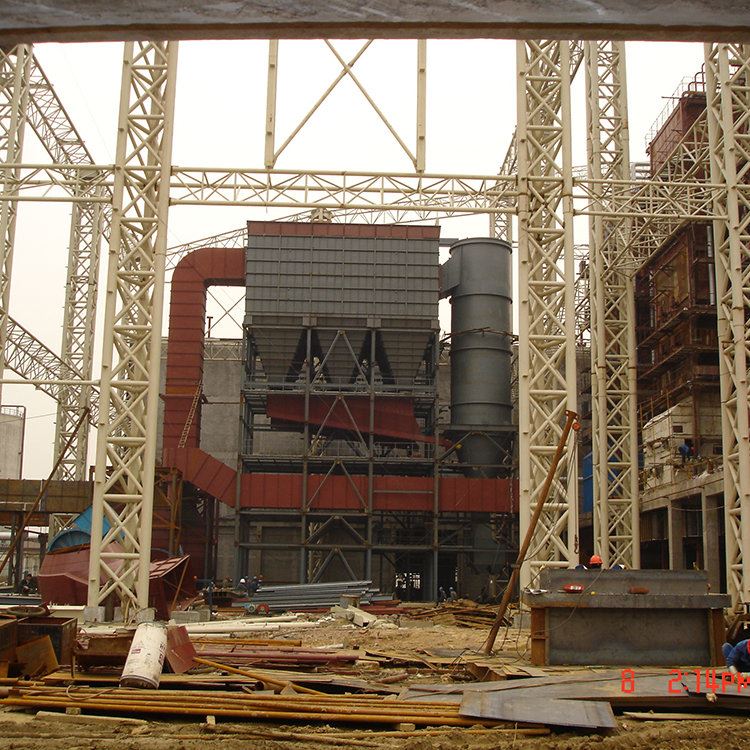
If the system is not optimized, the energy consumption can be extremely high. For example, as mentioned earlier, clogged filters can cause the fans to work harder, increasing the energy demand. Also, inefficient fan design or improper control of the fan speed can lead to unnecessary energy waste.
5. Maintenance Challenges
Maintaining a biomass exhaust gas dust cleaning system can be a real pain. The system has many components that need regular inspection, cleaning, and replacement. For example, the filters need to be cleaned or replaced periodically to maintain their efficiency. But accessing the filters can be difficult, especially in large - scale systems.
The collection hoppers also need to be emptied regularly to prevent overflow. And if the system has complex cleaning mechanisms, like pulse - jet cleaning, these need to be properly maintained to ensure they work correctly. Sometimes, finding replacement parts can be a challenge, especially if the system is an older model.
6. Emission Standards Compliance
Meeting the emission standards is a top priority for our customers. But the biomass exhaust gas dust cleaning system needs to be able to adapt to the changing and often stricter emission regulations. If the system is not capable of reducing the dust emissions to the required levels, the customer may face fines and other regulatory issues.
The complexity of the emission standards also varies from region to region. Some areas have very strict limits on the concentration of certain pollutants in the exhaust gas, while others may have more lenient regulations. This means that the dust cleaning system needs to be flexible enough to meet different requirements.
Solutions and How We Can Help
At our company, we understand these common problems and have developed solutions to address them. For clogging issues, we use advanced filter materials that are more resistant to blockage and have self - cleaning mechanisms that can effectively remove the accumulated dust.
To combat corrosion and erosion, we offer systems made from corrosion - resistant materials and use protective coatings on the vulnerable parts. We also design the system to minimize turbulent flow and reduce the impact of particles on the components.
In terms of dust collection efficiency, we conduct detailed analyses of the biomass exhaust gas characteristics before designing the system. This ensures that we select the most appropriate dust collection technology for each application.
To reduce energy consumption, we use energy - efficient fans and advanced control systems that can adjust the fan speed according to the actual operating conditions.
For maintenance challenges, we provide comprehensive training to our customers on how to operate and maintain the system. We also have a wide range of replacement parts available and offer after - sales support to ensure that any issues can be quickly resolved.
When it comes to emission standards compliance, we stay up - to - date with the latest regulations and design our systems to meet or exceed the requirements.
If you're facing any of these problems with your biomass exhaust gas dust cleaning system, or if you're in the market for a new system, don't hesitate to reach out. We're here to help you find the best solution for your needs. Our Dust Cleaning System for Exhausted Gas Produced By Biomass is designed to be reliable, efficient, and cost - effective. We also offer similar high - quality systems for other applications, such as Dust Cleaning System for Exhausted Gas Produced By Waste Incineration and Dust Cleaning System for Exhausted Gas Produced By Hazardous Waste.
So, if you're interested in learning more or want to start a procurement discussion, just drop us a line. We look forward to working with you to solve your dust cleaning challenges.
References
- "Biomass Combustion and Emission Control" - A research paper on the challenges and solutions in biomass exhaust gas treatment.
- "Dust Collection Handbook" - A comprehensive guide on dust cleaning systems and their operation and maintenance.