

Waste incineration is a common method for waste management, which can significantly reduce the volume of waste and generate energy. However, it also produces a large amount of exhaust gas containing various pollutants such as dust, heavy metals, and harmful gases. To meet environmental regulations and protect public health, a reliable dust cleaning system for exhausted gas produced by waste incineration is essential. As a supplier of the Dust Cleaning System for Exhausted Gas Produced By Waste Incineration, I have witnessed firsthand the challenges that come with the application of these systems.
Complexity of Pollutant Composition
One of the primary challenges in the application of dust cleaning systems for waste - incineration exhaust gas is the complex composition of pollutants. Waste incineration exhaust gas contains a wide range of contaminants, including particulate matter (PM), acid gases (such as SO₂, HCl), nitrogen oxides (NOₓ), and heavy metals (such as mercury, lead, and cadmium). Each type of pollutant requires a specific treatment method.
Particulate matter varies in size, from coarse particles to fine and ultrafine particles. Coarse particles can be relatively easily removed by mechanical dust collectors, but fine and ultrafine particles are more difficult to capture. These small particles can penetrate deep into the lungs and cause serious health problems. To effectively remove fine particles, high - efficiency filtration systems such as bag filters or electrostatic precipitators are required.
Acid gases are another significant concern. They are highly corrosive and can cause damage to the dust cleaning equipment and the environment. To remove acid gases, wet scrubbers or dry sorbent injection systems are commonly used. However, the reaction between the sorbent and acid gases is complex and affected by many factors, such as temperature, humidity, and the concentration of acid gases.
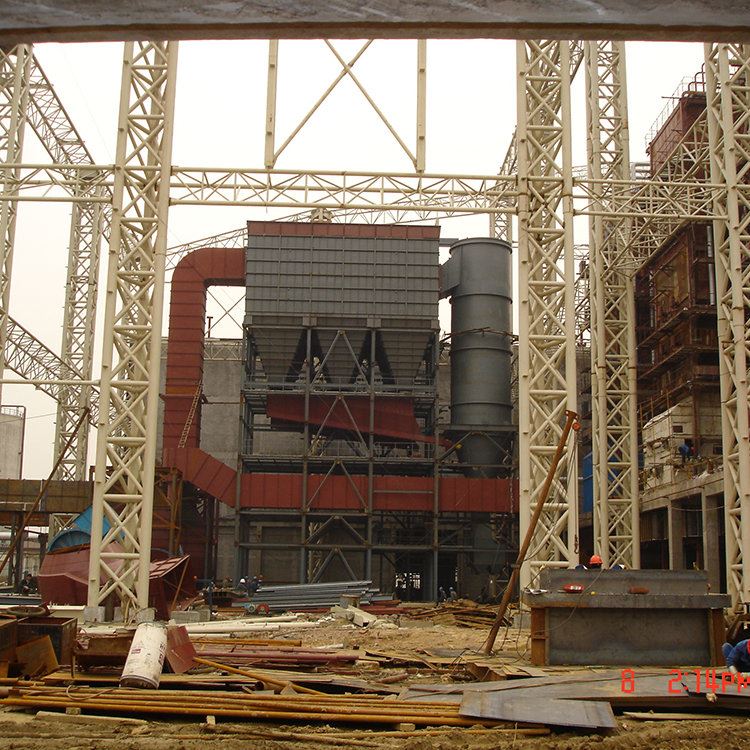

Heavy metals in waste - incineration exhaust gas are toxic and persistent. Mercury, for example, can be present in different chemical forms, including elemental mercury (Hg⁰), oxidized mercury (Hg²⁺), and particulate - bound mercury. Each form has different physical and chemical properties, which makes it challenging to develop a unified treatment method. Specialized technologies, such as activated carbon injection for mercury removal, are often needed, but the efficiency of these technologies can be affected by factors like the presence of other pollutants and the operating conditions of the system.
High - Temperature and Corrosive Environment
Waste - incineration exhaust gas is typically at a high temperature, often ranging from 200°C to 500°C or even higher. High - temperature exhaust gas poses challenges to the materials and components of the dust cleaning system. Many common materials used in dust collectors, such as filter bags and electrodes in electrostatic precipitators, have limited temperature resistance. At high temperatures, these materials can degrade, lose their mechanical strength, and reduce the efficiency of the dust cleaning system.
In addition to high temperature, the exhaust gas is also highly corrosive due to the presence of acid gases and moisture. Corrosion can damage the structure of the dust cleaning equipment, leading to leaks, reduced performance, and shorter service life. For example, in wet scrubbers, the contact between the exhaust gas and the scrubbing liquid can accelerate the corrosion of the scrubber's internal components. To withstand the high - temperature and corrosive environment, special materials with high - temperature resistance and corrosion resistance, such as high - nickel alloys and ceramic materials, are required. However, these materials are often expensive, which increases the cost of the dust cleaning system.
Fluctuating Operating Conditions
The operating conditions of waste incineration plants can be highly variable. The quantity and quality of the waste being incinerated can change daily, depending on factors such as the source of the waste, the season, and the local waste management practices. These fluctuations in waste characteristics can lead to variations in the composition and flow rate of the exhaust gas.
When the waste composition changes, the concentration of pollutants in the exhaust gas can also change significantly. For example, if the waste contains a higher proportion of plastics, the concentration of HCl in the exhaust gas may increase. A dust cleaning system that is designed for a specific set of operating conditions may not be able to effectively handle these sudden changes in pollutant concentration.
The flow rate of the exhaust gas can also fluctuate. During peak incineration periods, the flow rate may be much higher than the design flow rate of the dust cleaning system. This can cause problems such as increased pressure drop, reduced collection efficiency, and even damage to the equipment. On the other hand, during low - load operation, the flow rate may be too low, which can lead to issues like poor mixing of pollutants and sorbents in the treatment process.
High - Cost of Equipment and Operation
The development, installation, and operation of a dust cleaning system for waste - incineration exhaust gas are costly. As mentioned earlier, the use of special materials to withstand high - temperature and corrosive environments increases the initial investment cost of the equipment. In addition, the complex nature of the treatment process requires multiple treatment units, such as dust collectors, scrubbers, and activated carbon injection systems, which further adds to the cost.
The operation cost of the dust cleaning system is also high. The consumption of sorbents, such as lime for acid gas removal and activated carbon for heavy metal removal, can be significant. The energy consumption of the system, including the power required for fans, pumps, and other equipment, is another major cost factor. Moreover, regular maintenance and replacement of components, such as filter bags and electrodes, are necessary to ensure the proper operation of the system, which also incurs additional costs.
Stringent Environmental Regulations
Environmental regulations regarding waste - incineration exhaust gas emissions are becoming increasingly stringent around the world. These regulations set strict limits on the concentration of various pollutants in the exhaust gas, such as PM, SO₂, NOₓ, and heavy metals. Meeting these regulations requires the dust cleaning system to have high - efficiency treatment capabilities.
The continuous tightening of environmental regulations means that the dust cleaning system needs to be continuously upgraded and improved. This not only requires additional investment in research and development but also poses challenges to the existing waste incineration plants. Retrofitting an existing dust cleaning system to meet new regulations can be a complex and costly process, as it may involve modifying the equipment, changing the treatment process, and ensuring the compatibility of the new components with the existing system.
Integration with Existing Incineration Plants
For many existing waste incineration plants, integrating a new or upgraded dust cleaning system can be a challenging task. The layout and design of the existing incineration plant may not be originally designed to accommodate a dust cleaning system. There may be limited space available for the installation of new equipment, which can restrict the choice of dust cleaning technologies.
In addition, the integration process needs to ensure that the dust cleaning system does not interfere with the normal operation of the incineration plant. Any interruption in the incineration process can lead to economic losses and potential environmental problems. Therefore, careful planning and coordination are required during the installation and commissioning of the dust cleaning system to minimize the impact on the existing incineration plant.
Conclusion
The application of dust cleaning systems for waste - incineration exhaust gas faces numerous challenges, including the complex composition of pollutants, high - temperature and corrosive environment, fluctuating operating conditions, high cost of equipment and operation, stringent environmental regulations, and integration with existing incineration plants. However, these challenges also present opportunities for innovation and improvement in the field of waste - incineration exhaust gas treatment.
As a supplier of the Dust Cleaning System for Exhausted Gas Produced By Waste Incineration, we are committed to developing advanced technologies and solutions to overcome these challenges. We also offer Dust Cleaning System for Exhausted Gas Produced By Biomass and Dust Cleaning System for Exhausted Gas Produced By Hazardous Waste to meet the diverse needs of our customers.
If you are interested in our dust cleaning systems or need more information about waste - incineration exhaust gas treatment, please feel free to contact us for procurement and negotiation. We look forward to working with you to achieve efficient and environmentally friendly waste - incineration exhaust gas treatment.
References
- European Commission. (2014). Best Available Techniques (BAT) Reference Document for Waste Incineration.
- USEPA. (2018). Criteria for Classification of Solid Waste Incineration Units.
- Wang, X., & Zhang, Y. (2019). A Review of Mercury Emission Control Technologies for Coal - Fired Power Plants. Environmental Science & Technology.