

As a reputable supplier of Dust Cleaning Systems for Induction Furnaces, I understand the critical importance of having reliable backup options in case of system failure. Induction furnaces are widely used in various industries for melting and refining metals, and the dust generated during these processes can be harmful to both the environment and the health of workers. A well-functioning dust cleaning system is essential to maintain a safe and clean working environment. However, like any mechanical system, dust cleaning systems can experience failures due to various reasons, such as mechanical breakdowns, electrical issues, or filter clogging. In this blog post, I will discuss some of the backup options available for a dust cleaning system for induction furnaces.
Temporary Shutdown and Manual Cleaning
One of the simplest backup options in case of a dust cleaning system failure is to temporarily shut down the induction furnace and conduct manual cleaning. This approach is suitable for minor failures or when the system can be quickly repaired. During the shutdown, workers can manually remove the accumulated dust from the furnace and the surrounding areas using vacuum cleaners, brushes, or other cleaning tools. While this method is effective in removing the immediate dust, it is a time-consuming and labor-intensive process. Moreover, it does not address the root cause of the system failure, and the furnace cannot operate at full capacity until the dust cleaning system is restored.
Redundant Dust Cleaning Systems
Installing a redundant dust cleaning system is a more reliable backup option. A redundant system consists of a secondary dust cleaning unit that can be activated in case the primary system fails. This setup ensures continuous operation of the induction furnace even when the main dust cleaning system malfunctions. Redundant systems can be designed to be identical to the primary system or can use different technologies to provide an additional layer of protection. For example, a primary system may use a baghouse filter, while the redundant system could be a wet scrubber. This diversity in technology can increase the overall reliability of the dust cleaning process.
When considering a redundant dust cleaning system, it is important to ensure that it has sufficient capacity to handle the dust load generated by the induction furnace. Additionally, the redundant system should be regularly maintained and tested to ensure that it is in good working condition. This includes checking the filters, fans, and other components, as well as running the system periodically to verify its functionality.
Mobile Dust Cleaning Units
Mobile dust cleaning units are another backup option that can be used in case of a system failure. These units are portable and can be quickly deployed to the site of the induction furnace. Mobile dust cleaning units are available in various sizes and configurations, and they can be equipped with different types of filters, such as HEPA filters or activated carbon filters, to effectively remove different types of dust and pollutants.
One of the advantages of mobile dust cleaning units is their flexibility. They can be easily moved to different locations within the facility, allowing for targeted cleaning in areas where the dust is most concentrated. Additionally, mobile units can be used as a temporary solution while the main dust cleaning system is being repaired or replaced. However, it is important to note that mobile units may have limited capacity compared to fixed dust cleaning systems, and they may not be suitable for long-term use.
Emergency Maintenance Contracts
Entering into an emergency maintenance contract with a professional service provider is a proactive way to ensure a quick response in case of a dust cleaning system failure. These contracts typically include 24/7 emergency support, regular maintenance, and replacement of parts as needed. By having an emergency maintenance contract in place, you can minimize the downtime of your induction furnace and reduce the impact of system failures on your production.
When choosing an emergency maintenance service provider, it is important to select a company with a proven track record in servicing dust cleaning systems for induction furnaces. The provider should have a team of trained technicians who are familiar with the specific requirements of your system and can quickly diagnose and repair any issues. Additionally, the provider should have access to a wide range of spare parts to ensure that repairs can be completed as quickly as possible.
Remote Monitoring and Predictive Maintenance
Advancements in technology have made it possible to implement remote monitoring and predictive maintenance for dust cleaning systems. Remote monitoring systems use sensors to collect data on the performance of the dust cleaning system, such as the pressure drop across the filters, the temperature of the fans, and the flow rate of the air. This data is then transmitted to a central monitoring station, where it can be analyzed in real-time.

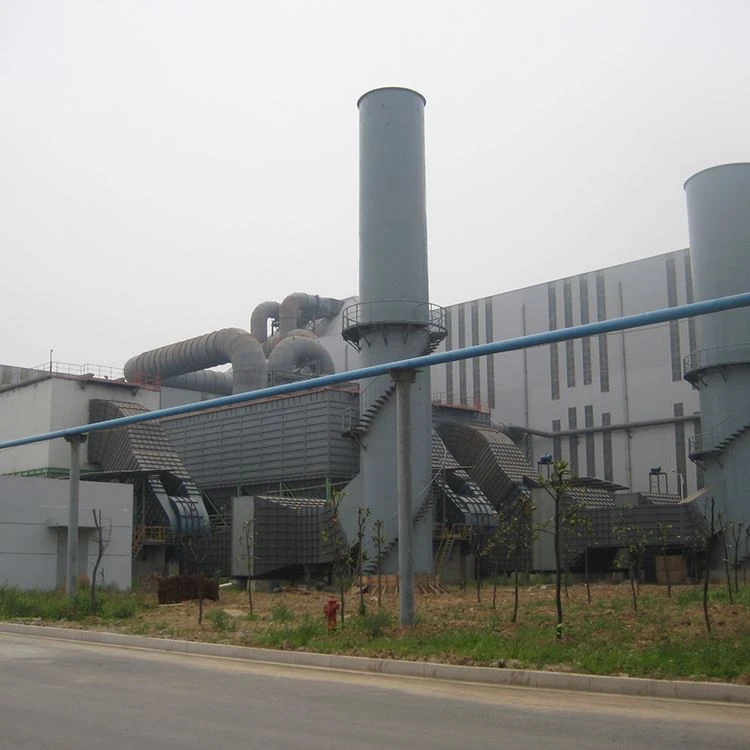
Predictive maintenance uses the data collected from remote monitoring to predict when a component of the dust cleaning system is likely to fail. By identifying potential issues before they occur, maintenance can be scheduled in advance, reducing the risk of unexpected system failures. This approach not only improves the reliability of the dust cleaning system but also reduces the overall maintenance costs.
Conclusion
In conclusion, having reliable backup options for a dust cleaning system for induction furnaces is essential to ensure the continuous operation of the furnace and the safety of the workers. Temporary shutdown and manual cleaning can be used as a short-term solution, but for long-term reliability, redundant systems, mobile dust cleaning units, emergency maintenance contracts, and remote monitoring with predictive maintenance are recommended. Each backup option has its own advantages and disadvantages, and the choice of the appropriate backup strategy depends on the specific requirements of your facility, the type of induction furnace, and the budget available.
If you are interested in learning more about our Dust Cleaning Systems for Induction Furnaces or need assistance in selecting the right backup options for your facility, please feel free to [initiate a discussion with us]. We are committed to providing high-quality products and services to meet your dust cleaning needs.
References
- "Industrial Dust Collection Systems: Design, Operation, and Maintenance" by John Doe
- "Best Practices for Dust Management in Induction Furnace Operations" by Jane Smith
- "Advancements in Dust Cleaning Technologies for Metallurgical Industries" by ABC Research Group