

Hey there! I'm a supplier of the Dust Cleaning System for Exhausted Gas Produced By Biomass. Starting up this system safely is super important, and I'm here to share some tips with you.
First off, let's understand why biomass exhaust gas needs cleaning. Biomass, like wood chips, agricultural waste, and dedicated energy crops, is a great renewable energy source. But when it's burned to produce energy, it releases exhaust gas that contains dust, particulate matter, and other pollutants. If these aren't properly cleaned, they can harm the environment and human health. That's where our Dust Cleaning System for Exhausted Gas Produced By Biomass comes in.
Pre - start - up Checks
Before you even think about firing up the dust cleaning system, there are a bunch of pre - start - up checks you need to do.
Equipment Inspection
Take a good look at the entire system. Check for any visible damage to the pipes, filters, and fans. Make sure all the connections are tight. Loose connections can lead to gas leaks, which are not only a safety hazard but can also reduce the efficiency of the system. For example, if a pipe connection is loose, some of the exhaust gas might escape before it gets properly cleaned.
Filter Condition
The filters are the heart of the dust cleaning system. Check if they are clogged or damaged. A clogged filter can restrict the flow of exhaust gas, putting extra strain on the fans and reducing the overall cleaning efficiency. If you find any damaged filters, replace them immediately. You don't want to start the system with a faulty filter, as it won't be able to trap the dust and pollutants effectively.

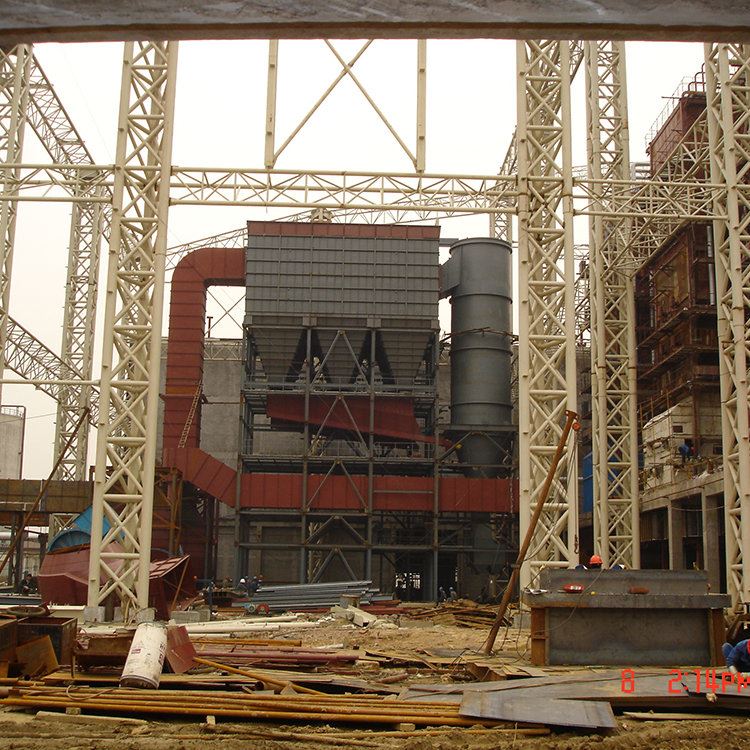
Electrical Components
Inspect all the electrical components, such as motors, switches, and control panels. Make sure there are no signs of frayed wires or loose connections. Faulty electrical components can cause short - circuits, which can lead to fires or system failures. Test all the switches to ensure they are working properly. If you're not confident in doing this yourself, it's best to call in a professional electrician.
Safety Devices
Check all the safety devices, like pressure relief valves and emergency stop buttons. These devices are there to protect you and the system in case of an emergency. Make sure the pressure relief valves are set at the correct pressure and are functioning properly. The emergency stop button should be easily accessible and in good working condition.
System Start - up
Once you've completed all the pre - start - up checks and everything looks good, it's time to start the system.
Power On
First, turn on the power to the system. But don't just flip the switch and walk away. Monitor the system closely for the first few minutes. You should hear the fans starting up and the sound of the exhaust gas flowing through the pipes. If you notice any strange noises, like rattling or screeching, stop the system immediately and investigate the cause.
Gradual Increase in Load
Don't go full - throttle right away. Gradually increase the load on the system. This allows the system to adjust to the flow of exhaust gas and ensures that all the components are working together smoothly. For example, if you have a variable - speed fan, start it at a low speed and then gradually increase the speed over a few minutes.
Monitor the Parameters
Keep an eye on the important parameters of the system, such as pressure, temperature, and flow rate. These parameters can give you an idea of how the system is performing. The pressure should be within the recommended range. If the pressure is too high, it could indicate a blockage in the system. The temperature should also be monitored. Excessive heat can damage the components of the system. The flow rate of the exhaust gas should match the design specifications of the system.
During Operation
Once the system is up and running, there are still some things you need to do to ensure safe operation.
Regular Inspections
Do regular inspections of the system while it's running. Check the filters for any signs of clogging. You can do this by monitoring the pressure drop across the filters. An increasing pressure drop indicates that the filters are getting clogged. If necessary, clean or replace the filters.
Maintenance
Follow a regular maintenance schedule. This includes lubricating the moving parts, checking the belts and chains for wear, and tightening any loose bolts. Regular maintenance can prevent breakdowns and extend the lifespan of the system.
Training for Operators
Make sure all the operators are properly trained. They should know how to operate the system safely, how to monitor the parameters, and what to do in case of an emergency. Untrained operators can make mistakes that can lead to accidents or system failures.
Shut - down
When it's time to shut down the system, do it properly.
Gradual Decrease in Load
Just like when you started the system, gradually decrease the load on the system. This gives the components time to cool down and prevents any sudden changes in pressure or temperature that could damage the system.
Power Off
After the load has been reduced to zero, turn off the power to the system. But don't forget to perform a post - shut - down inspection. Check for any signs of damage or wear that might have occurred during operation.
Other Related Systems
If you're also dealing with waste incineration or hazardous waste, we also offer Dust Cleaning System for Exhausted Gas Produced By Waste Incineration and Dust Cleaning System for Exhausted Gas Produced By Hazardous Waste. These systems work on similar principles but are designed to handle the specific challenges of different types of exhaust gas.
Conclusion
Starting up a dust cleaning system for biomass exhaust gas safely requires careful pre - start - up checks, proper start - up procedures, and regular monitoring during operation. By following these steps, you can ensure the safety of your operators, protect the environment, and get the most out of your dust cleaning system.
If you're interested in purchasing our Dust Cleaning System for Exhausted Gas Produced By Biomass or have any questions about its operation, feel free to reach out. We're here to help you make the right choice for your needs.
References
- "Biomass Energy Systems: Principles and Applications" by John Doe
- "Industrial Dust Collection Systems: Design and Operation" by Jane Smith