

Hey there! As a supplier of Dust Cleaning System for EAFs (Electric Arc Furnaces), I've seen firsthand how crucial it is to pick the right dust cleaning system. In the metallurgy industry, EAFs are super important, but they also generate a ton of dust and pollutants. That's why having a proper dust cleaning system isn't just a nice - to - have; it's a must - have for environmental compliance, worker safety, and efficient operation. So, let's dive into how you can select a suitable dust cleaning system for EAFs.
Understanding Your EAF's Dust Characteristics
First things first, you need to understand the type of dust your EAF produces. Different EAFs can generate different kinds of dust based on the materials being melted and the process itself. Some dust might be fine and light, like the dust from melting certain alloys. Other times, you could have heavier, coarser particles.
The chemical composition of the dust is also a big deal. Some dust might be corrosive, while others could be flammable. For instance, if you're melting metals with high sulfur content, the dust could be acidic and potentially damage your dust cleaning equipment if not properly addressed.
You can work with a lab or use in - house testing to analyze the dust. This data will be the foundation for choosing the right system. If you're not sure how to go about this, we can offer some guidance. Just reach out to us for more details on Dust Cleaning System for EAFs.
Considering the EAF's Size and Production Capacity
The size of your EAF and its production capacity play a huge role in system selection. A small - scale EAF with low production won't need as powerful a dust cleaning system as a large, high - volume EAF.
If you choose a system that's too small for your EAF, it won't be able to handle the dust load. This can lead to dust buildup in the furnace area, which is a safety hazard for workers and can also cause problems with the EAF's operation. On the other hand, if you go for an oversized system, you're wasting money on unnecessary equipment and energy costs.
You should calculate the amount of dust generated per hour based on your EAF's production rate. This calculation will help you determine the required airflow and filtration capacity of the dust cleaning system. We can assist you with these calculations and recommend the appropriate system size for your specific EAF.
Evaluating Different Dust Cleaning Technologies
There are several dust cleaning technologies out there, and each has its pros and cons.
Baghouse Filters
Baghouse filters are really popular in the industry. They work by passing the dusty air through fabric bags. The dust gets trapped on the bags, and clean air is released. They're great for capturing fine dust particles and can have a high collection efficiency. However, they do require regular maintenance, like bag replacement, and can be sensitive to high - temperature or moist conditions.
Cyclone Separators
Cyclone separators use centrifugal force to separate the dust from the air. They're relatively simple and inexpensive. They're good at capturing larger, heavier dust particles. But they're not as effective for fine dust, so they're often used as a pre - cleaning step before other filtration systems.
Electrostatic Precipitators
Electrostatic precipitators use an electric charge to attract and collect dust particles. They can handle large volumes of gas and are very efficient at capturing fine dust. However, they're expensive to install and maintain, and they require a stable power supply.

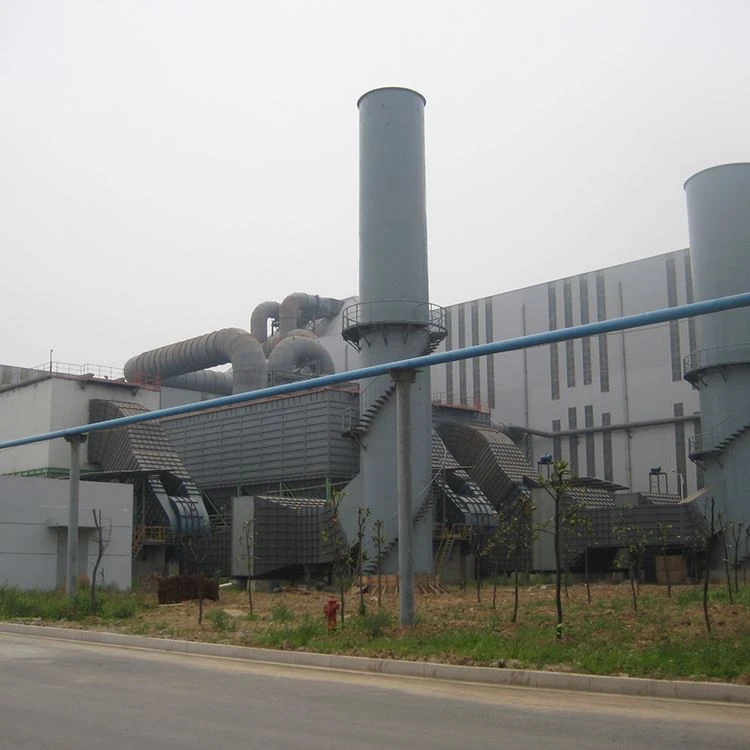
When choosing a technology, think about your dust characteristics, budget, and maintenance capabilities. If you need more info on the different technologies we offer for Dust Cleaning System for EAFs, just drop us a line.
Looking at System Efficiency and Energy Consumption
Efficiency is key when it comes to a dust cleaning system. A highly efficient system will capture more dust, which means better air quality in the workplace and less environmental impact. But efficiency often comes with a trade - off in terms of energy consumption.
Some systems might use a lot of energy to operate, which can drive up your costs over time. You want to find a balance between high - performance and low - energy use. Look for systems with energy - saving features, like variable - speed drives that can adjust the airflow based on the actual dust load.
We can provide you with data on the energy efficiency of our different systems. This way, you can make an informed decision that meets both your environmental and cost - saving goals.
Considering Maintenance Requirements
Maintenance is a fact of life when it comes to dust cleaning systems. You need to think about how easy it is to maintain the system and what kind of maintenance it requires.
Some systems might need daily inspections, while others can go longer between maintenance checks. Consider the availability of replacement parts and the cost of maintenance. A system that's difficult to maintain or has expensive parts can end up being a headache and a drain on your budget.
We offer comprehensive maintenance plans and support for our Dust Cleaning System for EAFs. Our team can help you with everything from routine inspections to major repairs.
Complying with Environmental Regulations
Environmental regulations are getting stricter all the time. You need to make sure the dust cleaning system you choose meets all the relevant local and national environmental standards.
This includes limits on dust emissions, noise levels, and other pollutants. Non - compliance can result in hefty fines and damage to your company's reputation.
We stay up - to - date with all the latest environmental regulations and can help you select a system that ensures your EAF operation is fully compliant. Our systems are designed with these regulations in mind, so you can have peace of mind knowing you're doing your part for the environment.
Assessing the Supplier's Reputation and Support
The supplier you choose is just as important as the system itself. You want to work with a supplier who has a good reputation in the industry and can provide reliable support.
Check reviews and testimonials from other customers. A supplier with a long - standing track record of satisfied customers is more likely to offer a quality product and good service.
We're proud of our reputation as a leading supplier of Dust Cleaning System for EAFs. We have a team of experts who can provide you with technical support, installation services, and training. We're committed to helping you get the most out of your dust cleaning system.
Other Related Dust Cleaning Systems
In addition to the dust cleaning system for EAFs, you might also need systems for other parts of your metallurgy operation, such as induction furnaces or raw material handling areas.
For Dust Cleaning System for Induction Furnaces, the requirements can be different from EAFs. Induction furnaces might generate different types of dust, and the operating conditions can vary.
Similarly, Dust Cleaning System for Raw Materials is important to prevent dust from spreading during the handling and storage of raw materials.
We offer a full range of dust cleaning solutions for different parts of the metallurgy industry. Whether you need a system for your EAF, induction furnace, or raw material area, we've got you covered.
Conclusion
Selecting a suitable dust cleaning system for EAFs is a complex but important decision. By understanding your dust characteristics, considering the size and capacity of your EAF, evaluating different technologies, looking at efficiency and maintenance, complying with regulations, and choosing a reliable supplier, you can make the right choice.
If you're in the market for a dust cleaning system for your EAF or other parts of your metallurgy operation, we'd love to talk to you. Our team of experts can help you through the selection process and ensure you get a system that meets your specific needs. Don't hesitate to reach out and start a conversation about your requirements.
References
- "Industrial Dust Collection Systems: Principles and Practices" by John Doe
- "Environmental Regulations in the Metallurgy Industry" by Jane Smith
- "Dust Cleaning Technologies for Electric Arc Furnaces" by ABC Research Group