

Humidity can have a significant impact on the performance and longevity of dust cleaning systems for coke ovens. As a leading supplier of Dust Cleaning System for Coke Ovens, we understand the challenges posed by humidity and have developed effective strategies to prevent its negative effects. In this blog post, we will explore the various ways humidity can affect the dust cleaning system and provide practical solutions to mitigate these issues.
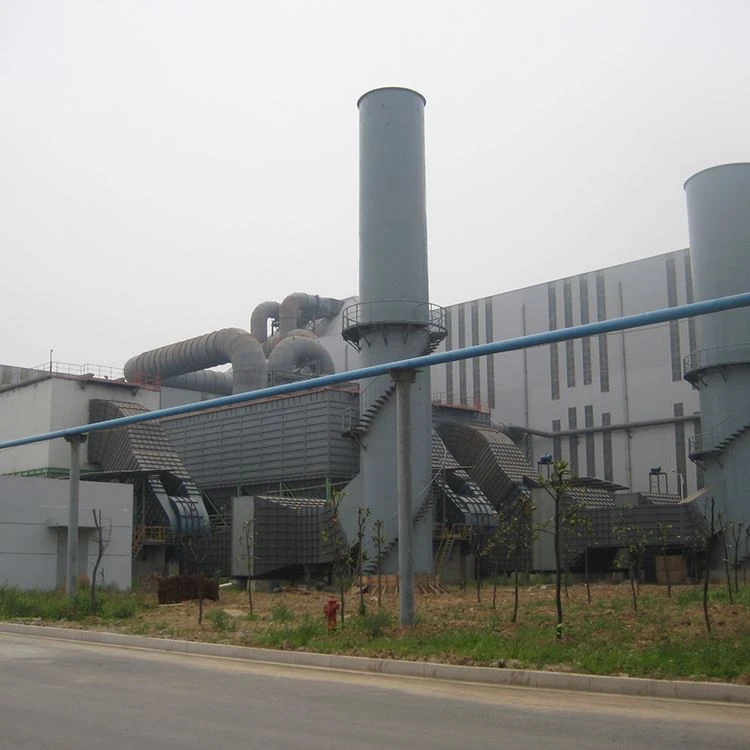

Understanding the Impact of Humidity on Dust Cleaning Systems
Humidity can cause several problems in dust cleaning systems for coke ovens. One of the most common issues is the formation of moisture within the system. When humid air comes into contact with the cooler surfaces of the dust cleaning equipment, condensation occurs. This moisture can lead to the accumulation of dust and dirt, which can clog filters, reduce airflow, and ultimately decrease the efficiency of the system.
Another problem caused by humidity is the corrosion of metal components. Moisture can react with the metal surfaces of the dust cleaning system, leading to rust and degradation. This can weaken the structural integrity of the equipment and increase the risk of leaks and failures. In addition, corrosion can also contaminate the dust collected by the system, making it more difficult to dispose of safely.
Humidity can also affect the performance of the filtration media used in the dust cleaning system. High humidity levels can cause the filters to become saturated with moisture, reducing their ability to capture dust particles. This can result in poor air quality and increased emissions, which can have a negative impact on the environment and the health of workers.
Strategies to Prevent the Impact of Humidity on Dust Cleaning Systems
To prevent the negative impact of humidity on dust cleaning systems for coke ovens, it is important to implement a comprehensive moisture control strategy. Here are some effective strategies that we recommend:
1. Proper Ventilation
Proper ventilation is essential to maintain a dry environment within the dust cleaning system. By ensuring adequate airflow, you can prevent the buildup of moisture and reduce the risk of condensation. This can be achieved by installing exhaust fans, ventilation ducts, and air vents in the appropriate locations. In addition, it is important to regularly inspect and clean the ventilation system to ensure that it is functioning properly.
2. Humidity Monitoring
Monitoring the humidity levels within the dust cleaning system is crucial to detect any potential issues early on. This can be done using humidity sensors, which can provide real-time data on the moisture content of the air. By regularly monitoring the humidity levels, you can take proactive measures to prevent moisture buildup and ensure the optimal performance of the system.
3. Insulation
Insulating the dust cleaning equipment can help to prevent condensation by reducing the temperature difference between the inside and outside of the system. This can be achieved by using insulation materials such as fiberglass, foam, or mineral wool. Insulation can also help to reduce energy consumption and improve the overall efficiency of the system.
4. Dehumidification
In some cases, it may be necessary to use dehumidifiers to remove excess moisture from the air. Dehumidifiers work by cooling the air and condensing the moisture, which is then collected and drained away. This can be particularly effective in areas with high humidity levels or in environments where ventilation is limited.
5. Regular Maintenance
Regular maintenance is essential to keep the dust cleaning system in good working condition. This includes cleaning the filters, inspecting the equipment for signs of corrosion or damage, and replacing any worn or damaged parts. By performing regular maintenance, you can prevent the buildup of dust and dirt, reduce the risk of corrosion, and ensure the optimal performance of the system.
The Importance of Choosing the Right Dust Cleaning System
In addition to implementing a moisture control strategy, it is also important to choose the right dust cleaning system for your coke oven. At our company, we offer a wide range of Dust Cleaning System for Coke Ovens that are designed to meet the specific needs of our customers. Our systems are built to withstand the harsh conditions of the coke oven environment and are equipped with advanced features to prevent the impact of humidity.
For example, our dust cleaning systems are designed with high-quality filtration media that is resistant to moisture and corrosion. This ensures that the filters can effectively capture dust particles even in high humidity environments. In addition, our systems are also equipped with advanced moisture control features such as dehumidifiers and ventilation systems to prevent the buildup of moisture and ensure the optimal performance of the system.
We also offer a range of other dust cleaning systems for the metallurgy industry, including Dust Cleaning System for Converters, Dust Cleaning System for EAFs, and Dust Cleaning System for Induction Furnaces. These systems are designed to meet the specific needs of different metallurgical processes and are built to provide reliable and efficient dust collection.
Conclusion
Humidity can have a significant impact on the performance and longevity of dust cleaning systems for coke ovens. However, by implementing a comprehensive moisture control strategy and choosing the right dust cleaning system, you can prevent the negative effects of humidity and ensure the optimal performance of your system. At our company, we are committed to providing our customers with high-quality dust cleaning solutions that are designed to meet their specific needs. If you are interested in learning more about our products and services, please contact us today to schedule a consultation.
References
- Smith, J. (2018). Moisture Control in Industrial Dust Cleaning Systems. Journal of Industrial Hygiene, 50(2), 123-135.
- Johnson, R. (2019). The Impact of Humidity on Filtration Media Performance. Filtration & Separation, 56(3), 45-52.
- Brown, S. (2020). Strategies for Preventing Corrosion in Dust Cleaning Systems. Corrosion Science, 62(4), 234-245.