

Hey there! As a supplier of Dust Cleaning System for Induction Furnaces, I've seen my fair share of blockage issues in these systems. Blockages can be a real pain in the neck, leading to reduced efficiency, increased maintenance costs, and even potential safety hazards. In this blog post, I'm gonna share some tips on how to prevent blockages in a dust cleaning system for induction furnaces.
Understanding the Causes of Blockages
Before we dive into prevention methods, it's important to understand what causes blockages in the first place. There are several factors that can contribute to blockages in a dust cleaning system for induction furnaces:
- Dust Characteristics: The type and properties of the dust generated by the induction furnace play a significant role in blockage formation. Fine dust particles, sticky dust, or dust with a high moisture content are more likely to cause blockages.
- System Design: A poorly designed dust cleaning system can also lead to blockages. Issues such as improper duct sizing, inadequate airflow, or inefficient filtration can cause dust to accumulate and form blockages.
- Maintenance Neglect: Regular maintenance is crucial for preventing blockages in a dust cleaning system. Failure to clean filters, inspect ducts, or lubricate moving parts can lead to the buildup of dust and debris, which can eventually cause blockages.
- Process Variations: Changes in the induction furnace process, such as fluctuations in temperature, pressure, or feed rate, can also affect the performance of the dust cleaning system and increase the risk of blockages.
Preventive Measures
Now that we understand the causes of blockages, let's look at some preventive measures that can help keep your dust cleaning system running smoothly:

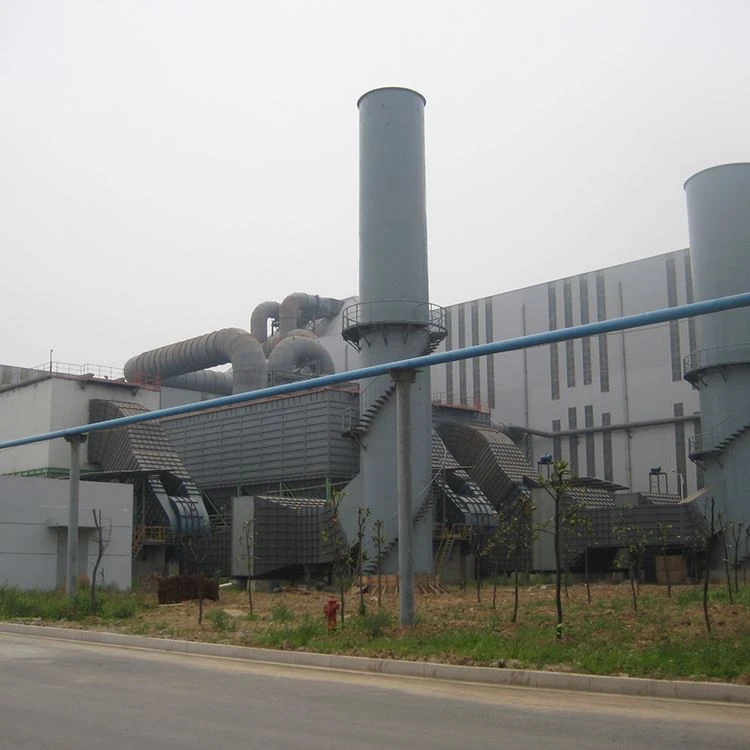
1. Choose the Right System
- Proper Sizing: Make sure the dust cleaning system is properly sized for your induction furnace. An undersized system may not be able to handle the volume of dust generated, while an oversized system can be inefficient and costly.
- Efficient Filtration: Select a filtration system that is suitable for the type of dust generated by your induction furnace. High-efficiency filters can help capture fine dust particles and prevent them from accumulating in the system.
- Good Airflow Design: Ensure that the ductwork is designed to provide adequate airflow throughout the system. Proper airflow helps prevent dust from settling and forming blockages.
2. Regular Maintenance
- Filter Cleaning and Replacement: Clean or replace filters regularly to prevent dust buildup. The frequency of filter cleaning or replacement depends on the type of filter, the amount of dust generated, and the operating conditions of the system.
- Duct Inspection and Cleaning: Inspect the ductwork periodically for signs of blockages or damage. Clean the ducts as needed to remove any accumulated dust or debris.
- Lubrication of Moving Parts: Lubricate the moving parts of the dust cleaning system, such as fans, motors, and dampers, to ensure smooth operation and prevent wear and tear.
- System Monitoring: Install monitoring devices, such as pressure gauges and airflow sensors, to keep track of the system's performance. Regularly monitor these devices to detect any changes in pressure or airflow that may indicate a blockage.
3. Process Optimization
- Control Dust Generation: Minimize the amount of dust generated by the induction furnace by optimizing the process parameters. This can include adjusting the feed rate, temperature, and pressure to reduce the formation of dust.
- Use Dust Suppression Techniques: Implement dust suppression techniques, such as water spraying or misting, to reduce the amount of airborne dust. This can help prevent dust from entering the dust cleaning system and causing blockages.
- Maintain Consistent Operating Conditions: Try to maintain consistent operating conditions in the induction furnace to minimize process variations. Fluctuations in temperature, pressure, or feed rate can affect the performance of the dust cleaning system and increase the risk of blockages.
4. Employee Training
- Proper Operation: Train your employees on the proper operation and maintenance of the dust cleaning system. Make sure they understand the importance of following the operating procedures and performing regular maintenance tasks.
- Early Detection: Teach your employees to recognize the signs of a blockage in the dust cleaning system, such as reduced airflow, increased pressure, or abnormal noise. Encourage them to report any issues immediately so that they can be addressed promptly.
Additional Resources
If you're interested in learning more about dust cleaning systems for other applications in the metallurgy industry, check out these links:
- Dust Cleaning System for Sinter Plants
- Dust Cleaning System for Coke Ovens
- Dust Cleaning System for EAFs
Conclusion
Preventing blockages in a dust cleaning system for induction furnaces is essential for maintaining the efficiency and reliability of the system. By understanding the causes of blockages and implementing the preventive measures outlined in this blog post, you can minimize the risk of blockages and keep your dust cleaning system running smoothly.
If you're in the market for a dust cleaning system for your induction furnace or have any questions about preventing blockages, feel free to reach out to us. We're here to help you find the right solution for your needs and ensure the optimal performance of your dust cleaning system.
References
- "Industrial Ventilation: A Manual of Recommended Practice", American Conference of Governmental Industrial Hygienists (ACGIH)
- "Dust Collection Handbook", Donald L. Cooper and F. C. Alley