

Waste incineration is a common method for waste disposal, which can effectively reduce the volume of waste and generate energy. However, the exhausted gas produced by waste incineration contains a large amount of dust and pollutants, which can cause serious environmental pollution if not properly treated. As a leading supplier of Dust Cleaning System for Exhausted Gas Produced By Waste Incineration, we understand the importance of monitoring the operation of the dust cleaning system to ensure its efficiency and reliability. In this blog post, I will share some key points on how to monitor the operation of the dust cleaning system for exhausted gas produced by waste incineration.
1. Understanding the Dust Cleaning System
Before monitoring the operation of the dust cleaning system, it is essential to have a clear understanding of its components and working principles. Our dust cleaning systems typically consist of several key parts, including the dust collector, fan, filter media, and control system.
The dust collector is the core component of the system, which is designed to capture and remove dust particles from the exhausted gas. There are different types of dust collectors, such as bag filters, electrostatic precipitators, and cyclone separators. Each type has its own advantages and disadvantages, and the choice depends on various factors, such as the characteristics of the dust, the volume of the exhausted gas, and the required efficiency.
The fan is responsible for creating the airflow through the system, ensuring that the exhausted gas can pass through the dust collector effectively. The filter media, such as filter bags or cartridges, play a crucial role in trapping the dust particles. The control system is used to monitor and regulate the operation of the entire system, including the fan speed, the cleaning cycle of the filter media, and the pressure difference across the dust collector.
2. Key Parameters to Monitor
To ensure the proper operation of the dust cleaning system, several key parameters need to be monitored regularly. These parameters can provide valuable information about the performance of the system and help detect any potential problems in a timely manner.
2.1 Pressure Difference
The pressure difference across the dust collector is one of the most important parameters to monitor. It reflects the resistance of the filter media to the airflow. As the dust accumulates on the filter media, the pressure difference will increase. If the pressure difference becomes too high, it may indicate that the filter media is clogged, which can lead to reduced airflow and decreased efficiency of the system.
We recommend setting up a pressure monitoring device to continuously measure the pressure difference across the dust collector. A sudden increase in the pressure difference may require immediate attention, such as checking the cleaning cycle of the filter media or inspecting for any blockages in the system.
2.2 Dust Emission Concentration
Monitoring the dust emission concentration at the outlet of the dust cleaning system is crucial to ensure that the system meets the environmental regulations. High dust emission concentration may indicate that the dust collector is not working properly, or there is a leakage in the system.
We use advanced dust monitors to measure the dust emission concentration in real - time. If the dust emission concentration exceeds the allowable limit, it is necessary to conduct a detailed inspection of the system to identify the root cause, such as damaged filter media or improper operation of the cleaning mechanism.
2.3 Fan Performance
The performance of the fan is also an important parameter to monitor. The fan speed, power consumption, and airflow rate can provide information about the health of the fan. A decrease in the airflow rate or an increase in the power consumption may indicate that the fan is experiencing problems, such as a worn - out motor or a blocked impeller.
Regularly checking the fan performance can help prevent unexpected breakdowns and ensure the stable operation of the dust cleaning system.
2.4 Temperature
The temperature of the exhausted gas and the components of the dust cleaning system can also affect its operation. High temperatures can damage the filter media and other components, while low temperatures may cause condensation, which can lead to the blockage of the filter media.
Installing temperature sensors at key points in the system can help monitor the temperature and take appropriate measures, such as adjusting the cooling or heating system, to maintain the optimal operating temperature.
3. Monitoring Tools and Technologies
To effectively monitor the operation of the dust cleaning system, we use a variety of advanced monitoring tools and technologies.
3.1 Sensors
Sensors are widely used to measure various parameters in the dust cleaning system. Pressure sensors are used to measure the pressure difference across the dust collector, temperature sensors are used to monitor the temperature, and dust sensors are used to measure the dust emission concentration. These sensors can provide accurate and real - time data, which can be transmitted to the control system for analysis and display.
3.2 Data Loggers
Data loggers are used to record the data collected by the sensors over a period of time. This data can be used for trend analysis, helping to identify any long - term changes in the performance of the system. For example, by analyzing the historical data of the pressure difference, we can predict when the filter media needs to be replaced or cleaned.
3.3 Remote Monitoring Systems
In addition to on - site monitoring, our dust cleaning systems can be equipped with remote monitoring systems. These systems allow us to access the data of the system from a remote location via the Internet. This is particularly useful for customers who have multiple waste incineration plants or need to monitor the system continuously without being on - site.
With the remote monitoring system, our technical support team can quickly respond to any abnormal situations and provide timely guidance to the on - site operators.
4. Regular Maintenance and Inspection
Regular maintenance and inspection are essential to ensure the long - term reliability and efficiency of the dust cleaning system.
4.1 Filter Media Replacement
The filter media is a consumable part of the dust cleaning system, and it needs to be replaced regularly. The replacement interval depends on various factors, such as the type of filter media, the characteristics of the dust, and the operating conditions. We recommend following the manufacturer's guidelines for filter media replacement to ensure optimal performance.
4.2 Cleaning of Components
The components of the dust cleaning system, such as the dust collector, fan, and ductwork, need to be cleaned regularly to remove any accumulated dust and debris. This can help prevent blockages and ensure the smooth operation of the system.
4.3 Inspection of Seals and Connections
Leakage in the system can significantly affect the performance of the dust cleaning system. Therefore, it is important to regularly inspect the seals and connections of the system to ensure that they are tight and in good condition. Any damaged seals or loose connections should be repaired or replaced immediately.
5. Different Applications and Considerations
Our dust cleaning systems are suitable for various applications, including waste incineration, biomass incineration, and hazardous waste incineration. Each application has its own unique characteristics and requirements.
For Dust Cleaning System for Exhausted Gas Produced By Biomass, the dust generated from biomass incineration may have different physical and chemical properties compared to waste incineration. Biomass dust may contain more organic matter, which can be more difficult to remove. Therefore, special attention needs to be paid to the selection of the filter media and the design of the cleaning mechanism.
In the case of Dust Cleaning System for Exhausted Gas Produced By Hazardous Waste, the dust may contain toxic and hazardous substances. In addition to ensuring high - efficiency dust removal, strict safety measures need to be taken to prevent the leakage of these substances. The system needs to be designed with high - quality materials and advanced sealing technology to ensure the safety of the operators and the environment.
6. Conclusion and Call to Action
Monitoring the operation of the dust cleaning system for exhausted gas produced by waste incineration is a critical task that requires a comprehensive approach. By monitoring key parameters, using advanced monitoring tools and technologies, and conducting regular maintenance and inspection, we can ensure the efficient and reliable operation of the system.
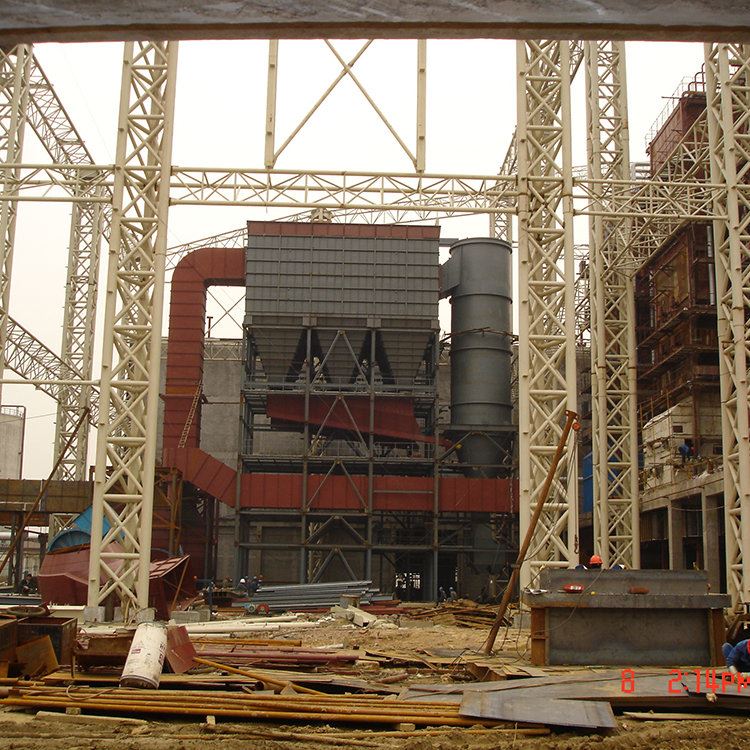

As a professional supplier of Dust Cleaning System for Exhausted Gas Produced By Waste Incineration, we are committed to providing high - quality products and excellent after - sales service. If you are interested in our dust cleaning systems or need more information about how to monitor their operation, please feel free to contact us. We will be happy to discuss your specific requirements and provide you with the most suitable solutions.
References
- "Handbook of Air Pollution Control Technology" by A. John Sedlbauer
- "Industrial Ventilation: A Manual of Recommended Practice" by the American Conference of Governmental Industrial Hygienists